
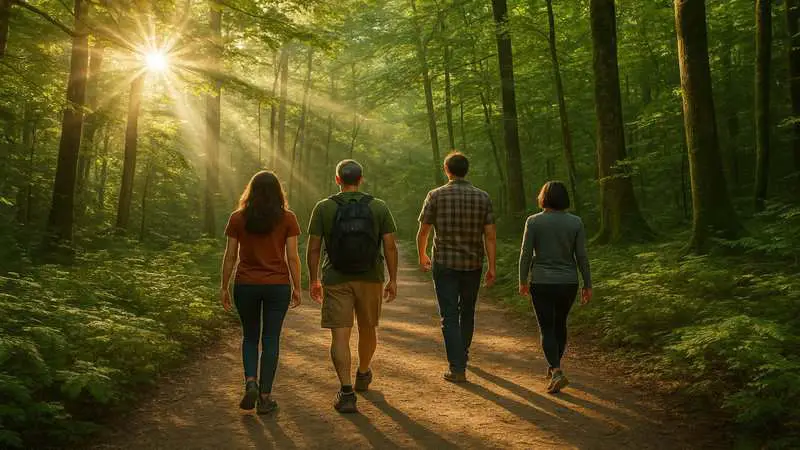
In recent years, scientific research has revealed that spending time walking in nature does far more than simply improve physical fitness. Immersing yourself in green spaces can profoundly impact your emotional and mental well-being, offering benefits that range from mood enhancement to significant stress reduction. With mental health concerns on the rise, experts are increasingly turning their attention to the healing power of the outdoors. This article explores twelve evidence-based ways that nature walks support a healthier, happier mind—backed by the latest studies and expert insights.
1. Reduced Stress Levels
 Source: Pexels
One of the most compelling benefits of walking in nature is its ability to lower stress. Studies show that nature walks reduce levels of cortisol, the body’s primary stress hormone, much more effectively than walks in urban settings. For example, research from Stanford University found that participants who spent time in green spaces experienced measurable decreases in stress markers and reported feeling calmer after their walks.
2. Improved Mood and Happiness
 A joyful person beams with a bright smile while enjoying the lush greenery and sunshine of a beautiful park. | Photo by RDNE Stock project on Pexels
Nature walks are linked to increased feelings of happiness and a decrease in negative emotions. A notable study published in the Proceedings of the National Academy of Sciences found that spending time walking outdoors led to significant mood improvements and fewer symptoms of depression. Participants reported feeling more positive and less mentally fatigued, highlighting how simply being outside can spark genuine joy and emotional well-being.
3. Enhanced Creativity
 Source: Pexels
Spending time walking in nature can significantly boost creative thinking. A joint study by the University of Utah and University of Kansas found that participants experienced up to a 50% increase in creativity after several days immersed in natural environments. The peaceful surroundings and lack of digital distractions allow your mind to wander, making space for new ideas and fresh perspectives to emerge.
4. Better Concentration and Focus
 Photo by Ketut Subiyanto on Pexels
Walking in nature can restore your attention span and sharpen your ability to focus. According to the Attention Restoration Theory, natural environments provide gentle stimulation that helps the brain recover from mental fatigue. Research from the University of Michigan shows that spending time outdoors boosts cognitive control and improves concentration—making it easier to tackle demanding tasks once you return to daily life.
5. Lower Risk of Anxiety
 Source: Pexels
Regular walks in natural settings can significantly reduce anxiety symptoms. A study published in the International Journal of Environmental Research and Public Health found that participants who engaged in nature walks reported fewer feelings of anxiousness and experienced a calmer state of mind. The soothing sights and sounds of the outdoors help ease mental tension, making it easier to find peace in everyday life.
6. Boosted Self-Esteem
 Source: Pexels
Spending time in green spaces can enhance your self-esteem and sense of self-worth. A meta-analysis published in Environmental Science & Technology found that as little as five minutes of outdoor activity leads to measurable improvements in confidence and self-perception. The natural setting provides a positive backdrop that encourages self-reflection and a greater appreciation for personal achievements.
7. Enhanced Sleep Quality
 A gentle sunset stroll along the shoreline sets the mood for a peaceful sleep and a truly restful night. | Photo by Guido Karp on Pexels
Walking outdoors exposes you to natural light and gentle exercise—both important for healthy sleep patterns. Research published in Sleep Health shows that people who spend more time in nature experience better sleep quality and more consistent rest. Natural light helps regulate your body’s circadian rhythms, while physical activity gently tires the body, making it easier to fall asleep and wake feeling refreshed.
8. Reduced Symptoms of Depression
 Source: Pexels
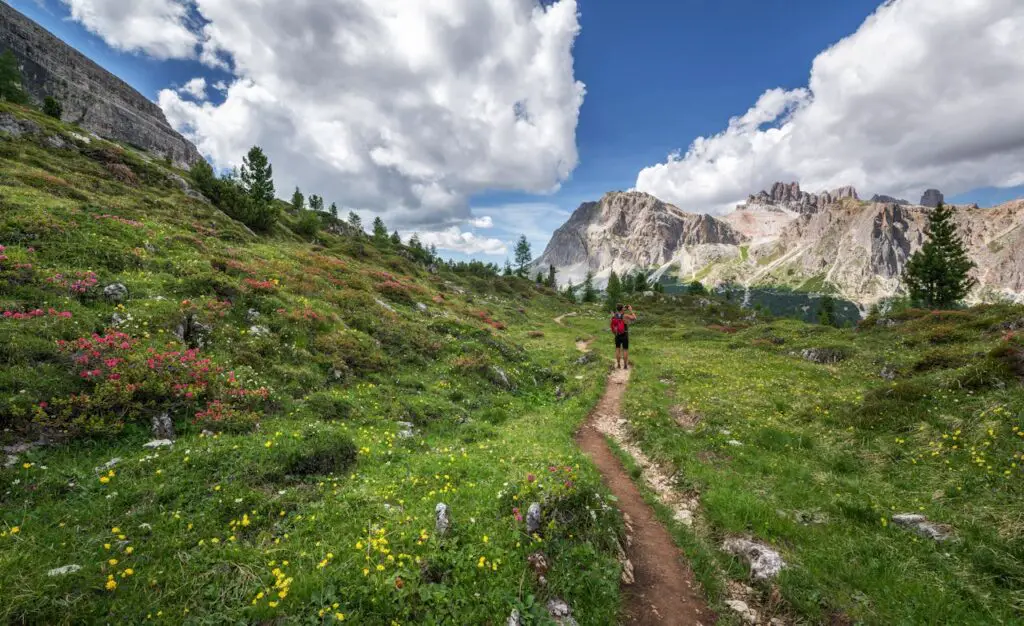
Spending time walking in nature has been shown to alleviate symptoms of depression. A study published in BMC Psychiatry found that “green exercise”—physical activity in natural environments—significantly reduced depressive symptoms in participants. Natural surroundings offer soothing stimuli and a sense of escape, helping to lift low moods and support emotional resilience for those struggling with depression.
9. Increased Mindfulness
 A peaceful figure strolls along a winding forest path, pausing to reflect amid the stillness of nature. | Photo by Quang Nguyen Vinh on Pexels
Walking in natural settings promotes present-moment awareness and mindfulness. According to findings published in the journal Mindfulness, people who walk in nature are more likely to focus on their surroundings and sensations, becoming less distracted by worries. This mindful attention helps calm the mind, reduce rumination, and foster a greater sense of peace throughout the day.
10. Social Connection Opportunities
 A cheerful group of friends strolls along a scenic forest trail, enjoying a community hike surrounded by nature. | Photo by Ravi Sharma on Pexels
Participating in group nature walks offers valuable opportunities for social connection and a sense of community. Research from the University of Essex found that people who walked together in green spaces formed stronger social bonds and reported greater feelings of belonging. Sharing outdoor experiences can help reduce loneliness and foster meaningful relationships, which are vital for mental health.
11. Improved Cognitive Function
 Source: Pexels
Regular walks in green spaces are associated with sharper memory and better cognitive performance. According to an article from Harvard Health Publishing, spending time outdoors can help improve memory recall, problem-solving skills, and overall brain function. The combination of physical movement, fresh air, and exposure to natural stimuli provides a mental boost that supports lifelong cognitive health.
12. Enhanced Resilience to Mental Fatigue
 A peaceful figure reclines beneath lush green trees, soaking in nature’s tranquility for complete mind and body rejuvenation. | Photo by 🇻🇳🇻🇳Nguyễn Tiến Thịnh 🇻🇳🇻🇳 on Pexels
Exposure to nature helps the brain recover from mental exhaustion and build resilience against fatigue. Research published in the Journal of Environmental Psychology demonstrates that time spent in green spaces enables faster cognitive restoration, making it easier to handle daily stresses. A walk in nature acts as a mental reset, clearing the mind and preparing you to face new challenges with renewed energy.
Conclusion
 A happy hiker walk along a scenic trail at sunset, pausing to admire the beauty of nature. | Photo by Andrea Piacquadio on Pixels
The evidence is clear: walking in nature provides an impressive range of mental health benefits, from reducing stress and anxiety to improving focus, mood, and resilience. Making time for regular outdoor walks can be a simple yet powerful way to support emotional well-being. If you’re curious to learn more about the science of nature therapy, explore resources like Nature.com’s Nature Therapy Collection for further reading and research insights.
Disclaimer
 Photo by RDNE Stock project on Pexels
This article is for informational purposes only and is not a substitute for professional medical advice, diagnosis, or treatment. Always consult a healthcare provider for personalized support regarding your mental health.
.article-content-img img { width: 100% }

Vielleicht interessiert es Sie:
13 Extraordinary Giants Ready to Blow Your Mind! 🌍
10 Chonky Oddities That Will Leave You Speechless! 🤯
9 Unbelievable Absolute Units That Will Leave You Speechless! 🌟
10 Colossal Creatures That Will Leave You Speechless! 🐻
12 Shocking Absolute Units You’ll Have to See! 😲
12 Epic Absolute Units That Will Challenge Your Perceptions! 🔥
Uncover the 11 Ultimate Massive Oddities That Awe! 🌍
9 Unbelievable Oddities That Redefine ‚Massive‘! 🐉💎