
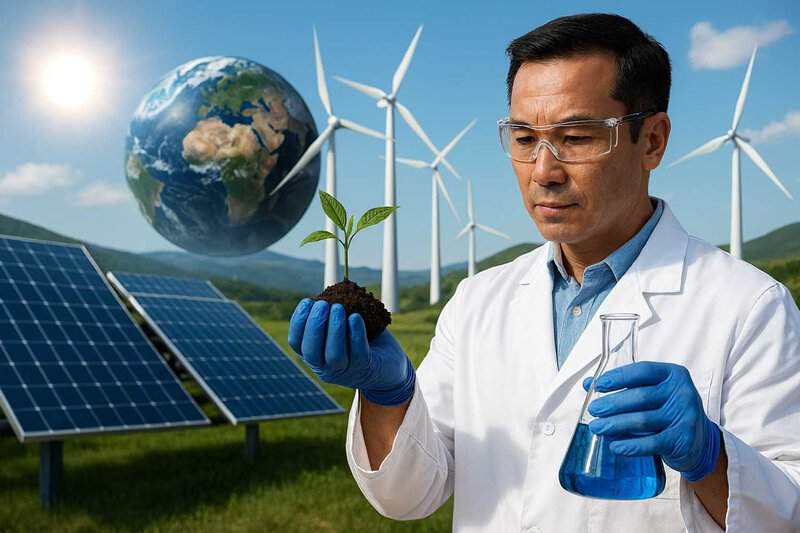
Climate change remains one of the most urgent challenges of our time,
with its impacts already affecting communities, economies, and ecosystems across the globe.
Scientists are at the forefront of this battle,
developing innovative, evidence-based solutions to build a more sustainable future.
From groundbreaking clean energy technologies to large-scale ecosystem restoration,
their efforts stretch across disciplines and continents.
In the following sections, discover 15 cutting-edge ways
researchers are actively addressing and combating the climate crisis right now.
Each approach offers hope—and a blueprint—for meaningful action.
1. Direct Air Capture Technologies
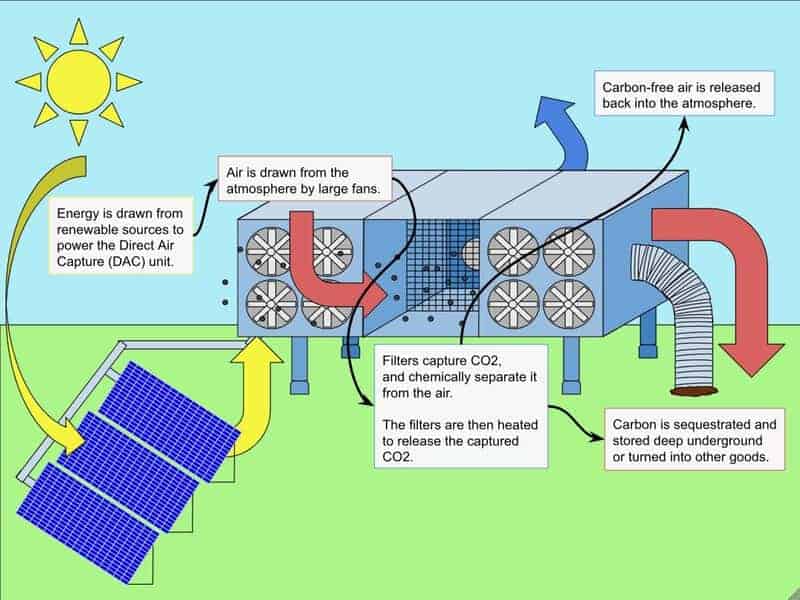 A state-of-the-art direct air capture facility stands amid open fields, working to remove CO2 directly from the atmosphere. | Photo by Wikipedia
Scientists are pioneering direct air capture (DAC)—a process that uses specialized machines to extract carbon dioxide straight from the atmosphere.
These devices employ chemical filters or mineralization techniques to trap CO2, which can then be safely stored underground or reused in industry.
Companies such as Climeworks and Carbon Engineering have already launched pilot plants, proving the technology’s promise.
Learn more about DAC initiatives in action.
This approach could play a vital role in reducing atmospheric carbon levels.
2. Expanding Renewable Energy Solutions
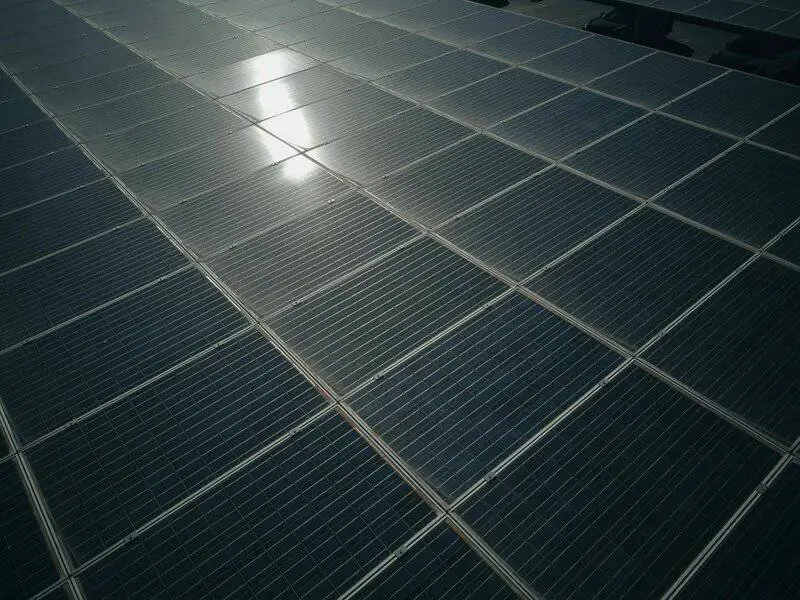 Rows of solar panels and towering wind turbines harness the power of the sun and wind for clean, renewable energy. | Photo by Kindel Media on Pexels
Researchers are pushing the boundaries of solar, wind, and geothermal energy to accelerate the shift away from fossil fuels.
Breakthroughs like perovskite solar cells promise significantly higher efficiency for solar panels,
making clean energy more affordable and widespread.
Read about the promise of perovskite solar cells.
Innovations such as floating wind farms are opening up new frontiers for wind power,
while advancements in grid-scale battery storage ensure these renewable sources can be reliably integrated into power systems.
The future of energy is looking brighter and more sustainable.
3. Electrifying Transportation
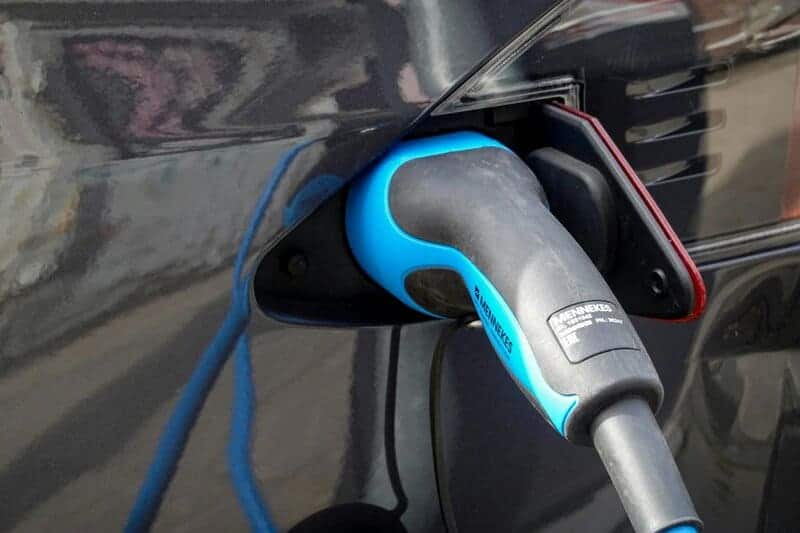 A row of sleek electric buses lines up at a modern EV charging station, highlighting the shift to greener public transport. | Photo by Magda Ehlers on Pexels
Electrifying transportation is a major focus for scientists aiming to cut emissions.
Breakthroughs in battery technology are enabling electric vehicles (EVs) to travel farther and recharge faster than ever before.
Researchers are also working to electrify public transit, trains, and even shipping fleets.
Initiatives like the European Battery Alliance are driving innovation,
helping to make clean, electrified transport more accessible and affordable for everyone.
4. Advancing Plant-Based and Cultured Foods
 A vibrant spread of plant-based dishes and cultured meat samples highlights innovations in sustainable agriculture and future foods. | Photo by Mikhail Nilov on Pexels
Scientists are reinventing how we eat by developing plant-based and lab-grown meats to curb emissions from traditional livestock agriculture.
These innovative foods require far less land and water, while dramatically reducing greenhouse gas output.
Companies like Beyond Meat and ongoing research on cultured meat are leading the charge,
making it easier for consumers to adopt more climate-friendly diets without sacrificing taste or nutrition.
5. Restoring Forests and Wetlands
 Volunteers plant young mangrove saplings along a lush, waterlogged shoreline, supporting vital reforestation and wetland restoration efforts. | Photo by Alexey Demidov on Pexels
Ecologists are hard at work restoring degraded forests, wetlands, and mangroves, which serve as vital carbon sinks.
Initiatives like the Trillion Trees campaign are mobilizing global efforts for large-scale reforestation.
Reviving wetlands not only absorbs CO2 but also boosts biodiversity and strengthens natural defenses against climate extremes.
These restoration projects offer dual benefits for the climate and for the ecosystems that support life on Earth.
6. Developing Climate-Resilient Crops
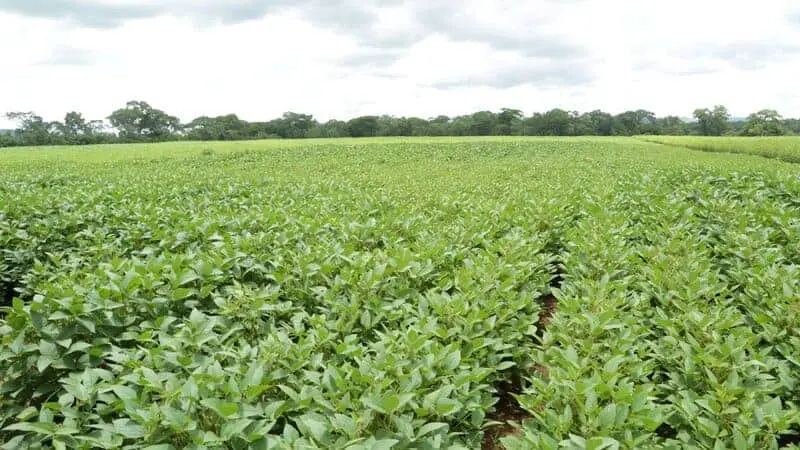 “An array of hardy, drought-resistant plants thriving amidst a robust crop field under the glaring sun.” | Image from www.flickr.com (Creative Commons Licensed)
To secure our food future, scientists are engineering crops that can thrive under drought, heat, and pest pressures brought by climate change.
Advanced genome editing tools like CRISPR are enabling researchers to quickly develop resilient varieties of essential crops, including rice, wheat, and maize.
These innovations help protect harvests and support farmers in adapting to an unpredictable environment.
7. Enhancing Ocean Carbon Sequestration
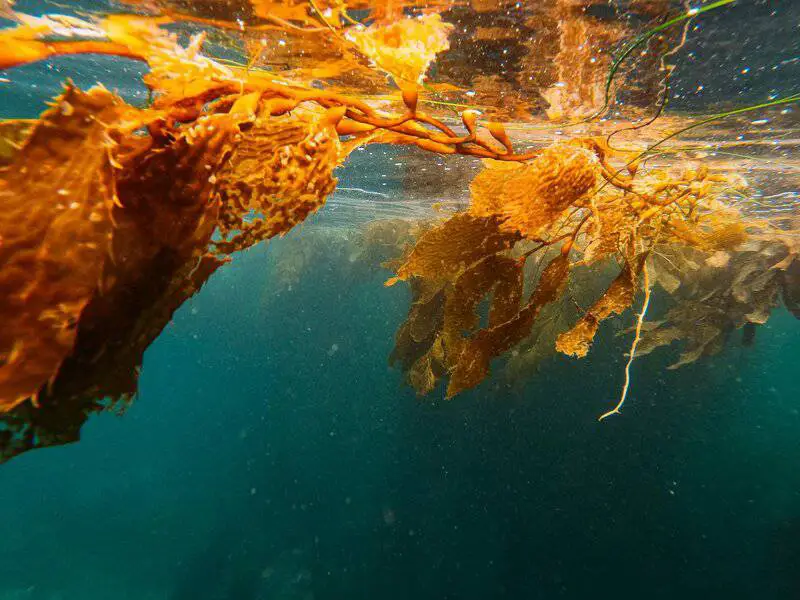 Towering kelp forests sway beneath sunlit waves, showcasing marine science in action for ocean carbon sequestration. | Photo by Kindel Media on Pexels
Scientists are investigating methods to maximize the ocean’s capacity to absorb carbon dioxide.
Efforts include restoring kelp forests—which act as underwater carbon sinks—and experimenting with techniques like ocean alkalinity enhancement.
These strategies could significantly increase CO2 uptake from the atmosphere, but require careful oversight to avoid unintended consequences.
Explore more about ocean-based carbon solutions.
8. Urban Greening and Smart Cities
 Lush green roofs blanket city buildings, showcasing urban greening innovations that help sponge cities manage rainwater naturally. | Photo by Ali Levlog on Pexels
Urban scientists are reimagining city life by integrating green spaces, cool roofs, and efficient public transit to cut emissions and boost resilience.
Innovative ideas like China’s sponge cities use permeable surfaces and green infrastructure to absorb stormwater and fight urban heat islands.
These solutions make cities not only more sustainable, but also healthier and more livable for their growing populations.
9. Improving Climate Modeling and Prediction
 Rows of powerful supercomputers hum in a high-tech lab, driving advanced climate modeling and prediction efforts. | Photo by 巍 鲍 on Pexels
Sophisticated computer models are giving scientists unprecedented tools to forecast and understand future climate scenarios.
High-resolution simulations allow researchers to predict changes with greater accuracy, guiding effective policy and adaptation measures.
Global collaborations, like the Coupled Model Intercomparison Project (CMIP),
are advancing our knowledge of climate dynamics and variability.
These improved models are essential for crafting data-driven responses to an evolving climate.
10. Scaling Up Energy-Efficient Buildings
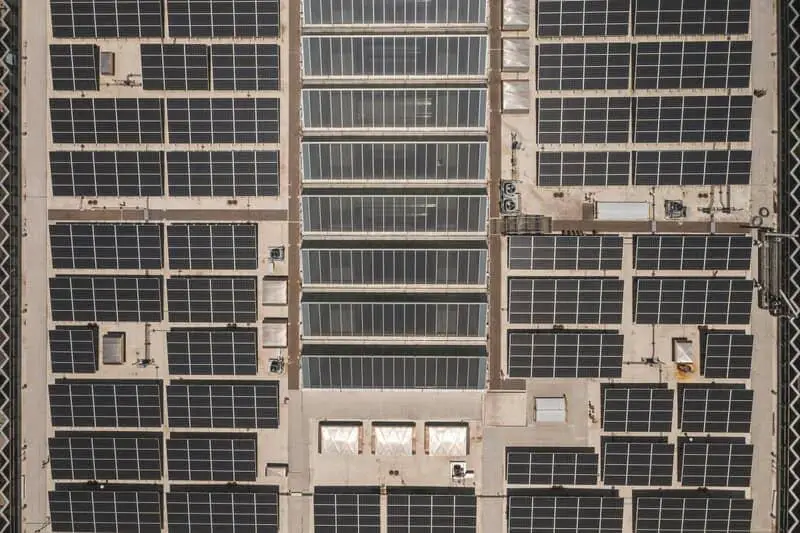 Modern energy efficient buildings constructed with green materials stand tall, equipped with smart thermostats for optimal climate control. | Photo by RDNE Stock project on Pexels
Scientists and engineers are transforming how we build, focusing on materials and designs that dramatically lower energy consumption.
Concepts like passive house standards, advanced green insulation, and smart thermostats are making buildings both comfortable and low-carbon.
Explore energy-efficient building strategies here.
These innovations are crucial for reducing emissions from the built environment, one of the world’s largest sources of greenhouse gases.
11. Developing Next-Generation Batteries
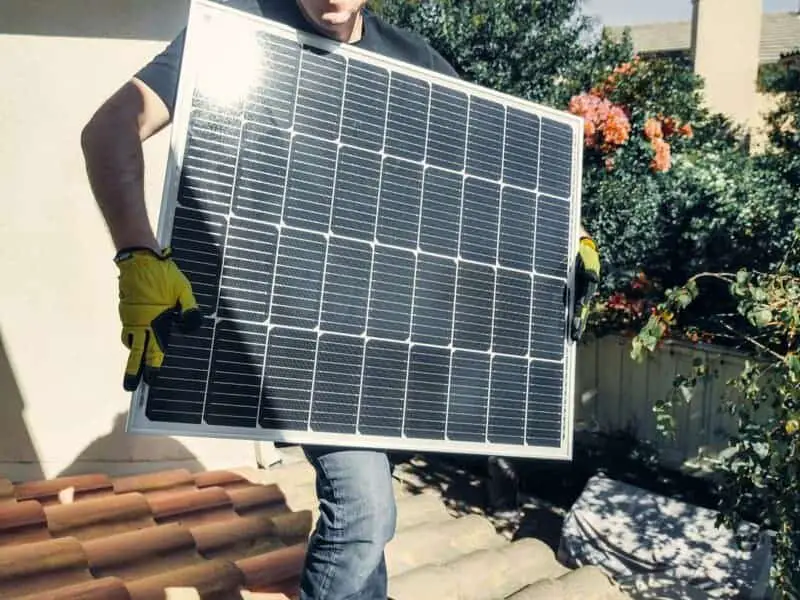 A sleek, next-gen solid-state battery sits on a lab table, showcasing the future of advanced energy storage technology. | Photo by Kindel Media on Pexels
Battery researchers are pushing boundaries to create safer, longer-lasting, and eco-friendly batteries for both grid storage and transportation.
Innovations such as solid-state and lithium-sulfur batteries promise to dramatically improve energy density and safety.
Learn more about these cutting-edge batteries.
These advances could revolutionize how we store and use renewable energy, propelling the global shift toward a cleaner future.
12. Innovating Carbon-Neutral Cement
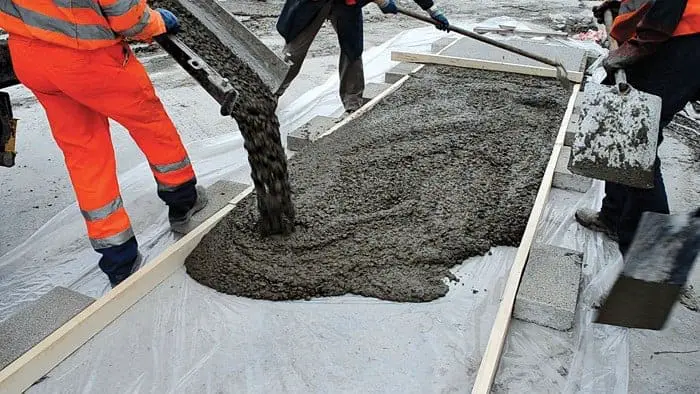 A modern building site showcases eco-friendly concrete blocks made with carbon neutral cement, leading the way in green construction. | Photo by Photo By: Wikipedia
Cement production is a major contributor to global emissions.
To address this, scientists are developing carbon-neutral and even carbon-absorbing concrete.
These new materials incorporate waste products and use innovative chemistry to trap CO2 within the building material itself.
Discover how carbon-eating concrete works.
This breakthrough could dramatically reduce the climate impact of construction.
13. Geoengineering Research
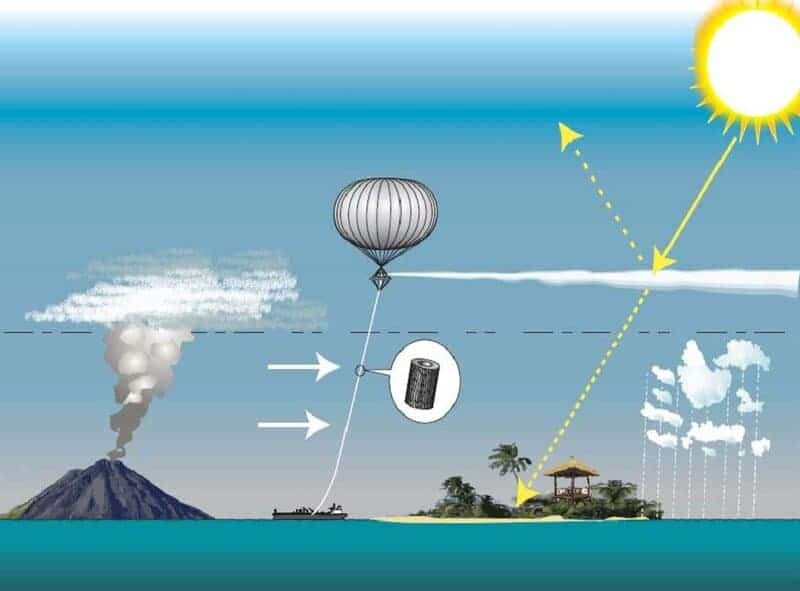 A research vessel releases fine sea salt mist into the sky, demonstrating cloud brightening for solar radiation management. | Photo by Wikipedia
A small but growing group of scientists is cautiously exploring geoengineering as a possible climate intervention.
Ideas like stratospheric aerosol injection and cloud brightening aim to reflect a portion of sunlight back into space, potentially cooling the planet.
Read about the latest geoengineering research.
While promising, this approach remains highly controversial and is rigorously studied to avoid dangerous unintended consequences.
14. Advancing Circular Economy Solutions
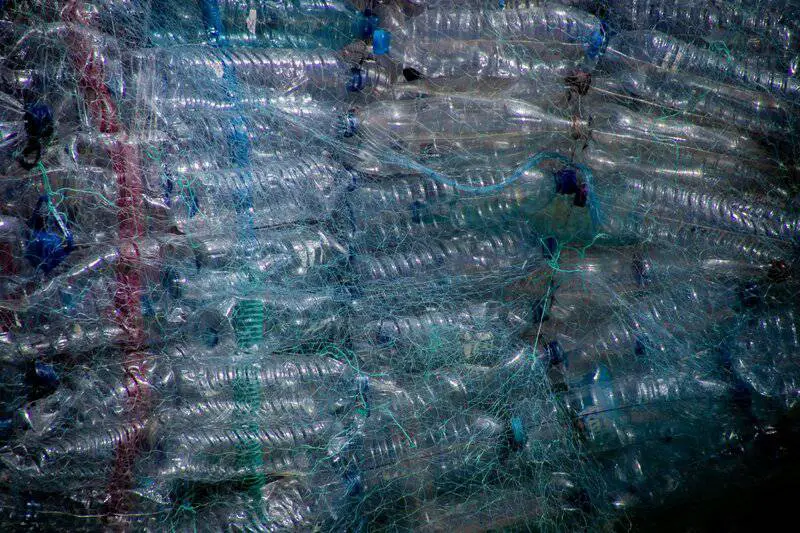 A collection of recycled materials transformed into sleek, sustainable products showcases the innovative spirit of circular economy design. | Photo by Magda Ehlers on Pexels
Scientists and engineers are rethinking how we design products and systems, focusing on reuse, recycling, and waste reduction.
The circular economy model keeps materials circulating through the economy,
minimizing emissions from manufacturing and disposal.
Innovations in electronics, textiles, and packaging are leading the way, demonstrating how products can have a second—and even third—life before reaching the landfill.
15. Community-Led Climate Science
 Neighbors gather around a weather station, recording data together as part of a local citizen science climate project. | Photo by Artem Podrez on Pexels
Scientists are increasingly collaborating with local communities to create customized climate solutions that respect unique environmental and cultural contexts.
Initiatives such as citizen science monitoring enable residents to collect climate data and design adaptation strategies that work for them.
This grassroots approach ensures that scientific knowledge directly supports the people most affected by climate change, fostering resilience and empowerment at the local level.
Conclusion
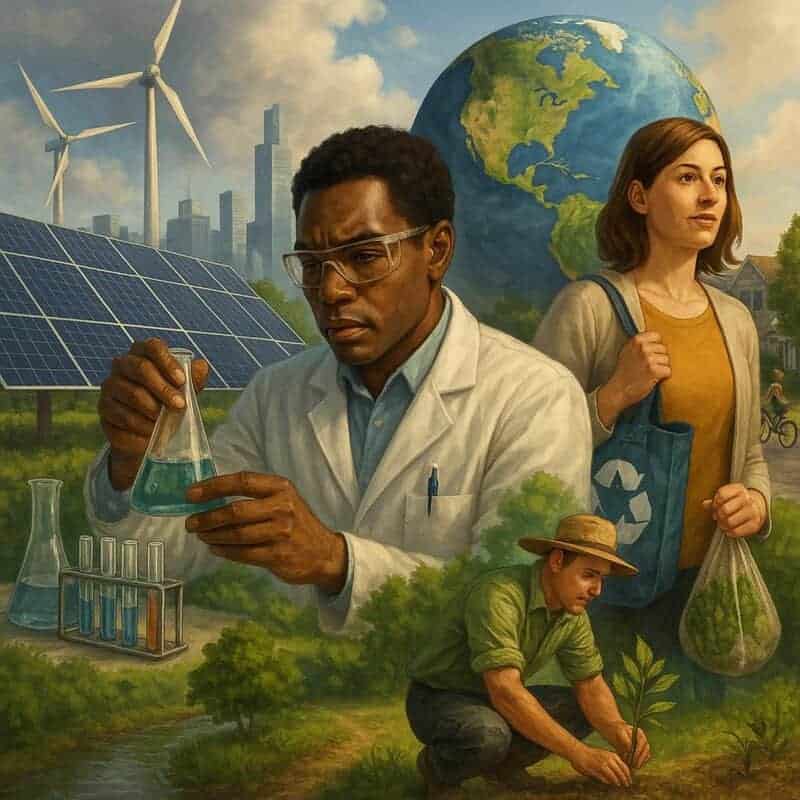 Scientists innovate and restore ecosystems, while communities unite for urgent, collective climate action.
The climate crisis requires urgent, coordinated action on multiple fronts.
As this article highlights, scientists are driving progress—developing breakthrough technologies, restoring natural ecosystems, and fostering community-led adaptation.
Their efforts are already shaping a more sustainable and resilient world.
But science alone isn’t enough: we all have a role to play, from supporting policy changes to adopting climate-friendly habits.
.article-content-img img { width: 100% }

Vielleicht interessiert es Sie:
12 Over-The-Top Absolute Units That Will Take Your Breath Away! 🌟
12 Unforgettable Absolute Units That Will Amaze You! 🌟
20 Extraordinary Beasts That Challenge Our Definition of Big! 🦙
8 Crazy Massive Oddities That Prove Size Matters! 🌍🚀
14 Massive Oddities That Will Challenge Your Perception of Size! 🔍
12 Giant Beasts that Redefine Size Expectations! 🦁
12 Massive Oddities That Will Change Your Perception of Size! 🐻😲
19 Monstrous Marvels That Challenge Your Perception of Size! 🦙🔍