
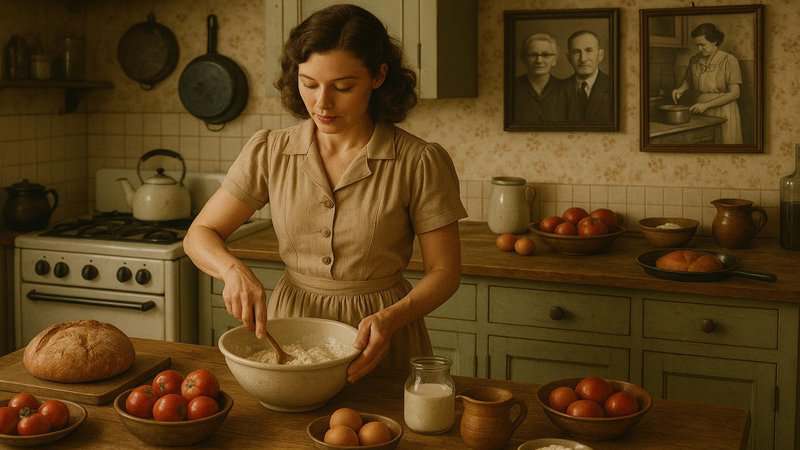
The idea struck me on a chilly autumn evening as I scrolled through old family photos. My great-grandmother, a woman of remarkable vitality, lived well into her nineties—long before the age of processed foods and meal delivery apps.
I wondered: What if I ate the way she did?
Driven by curiosity and a desire to reconnect with my roots, I committed to six months of eating only the foods my great-grandmother would have recognized.
Little did I know, this nostalgic experiment would not only change my plate, but also leave my doctor in disbelief.
1. Home-Cooked Meals Over Processed Foods
 A hearty homemade meal brimming with fresh vegetables simmers in vintage cookware, filling the kitchen with inviting aromas. | Photo by Sarah Chai on Pexels
Transitioning to home-cooked meals meant saying goodbye to boxes, cans, and plastic-wrapped snacks. Every dish began with whole ingredients—vegetables, grains, and meats—just as my great-grandmother would have prepared.
Without realizing it, I drastically cut out added sugars and preservatives that sneak into modern diets.
This shift echoes research from the Harvard School of Public Health, which demonstrates the link between processed foods and chronic health risks.
My kitchen became the center of my health transformation.
2. Seasonal Eating Became the Norm
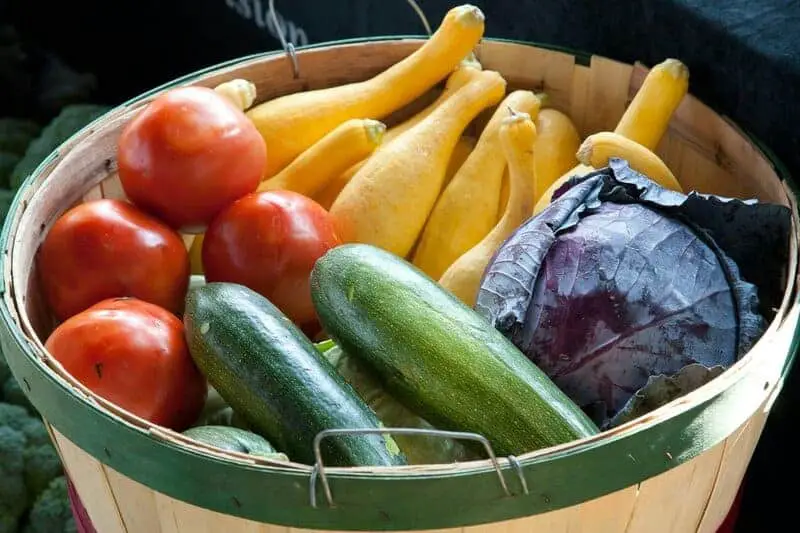 Colorful baskets of fresh, seasonal vegetables line the tables at a bustling farmers market, inviting shoppers to explore. | Photo by Mark Stebnicki on Pexels
Adopting a seasonal approach revolutionized my grocery list. Each week brought new fruits and vegetables, picked at their peak for flavor and nutrition.
My great-grandmother didn’t have year-round strawberries—she enjoyed what was available, when it was available.
This not only kept meals interesting, but also aligned with USDA recommendations for nutrient diversity and sustainable choices.
I found myself eagerly anticipating the next crop, learning to savor the rhythm of the seasons.
3. Smaller Portions, Satisfied Appetite
 A small plate holds a perfectly portioned simple meal of grilled chicken, steamed broccoli, and brown rice. | Photo by Tara Winstead on Pexels
Meals at my great-grandmother’s table were noticeably smaller than today’s norm.
There were no heaping plates, just enough to nourish without excess.
As I adapted, I found my appetite stabilizing and my cravings diminishing.
This mindful approach echoes findings from the Mayo Clinic on portion control and weight management.
I felt fuller, longer, and more in tune with my body’s needs.
4. Less Sugar, More Natural Sweeteners
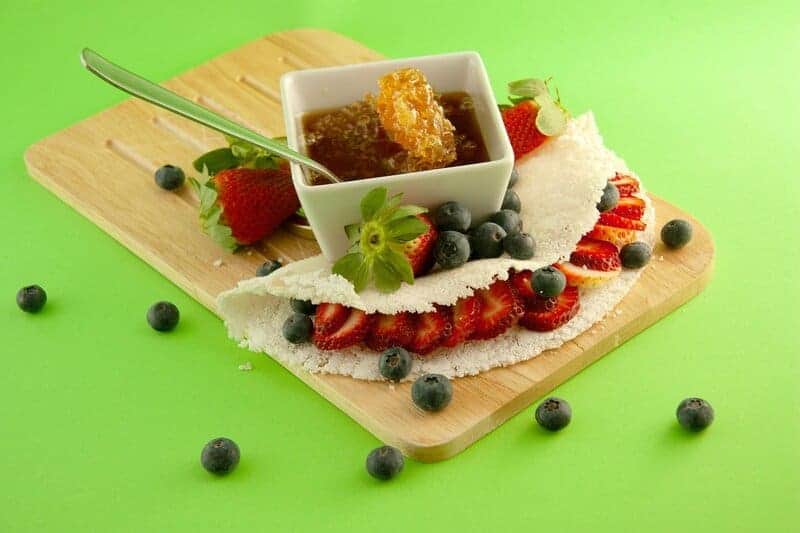 A vibrant fruit dessert is drizzled with golden honey from a rustic jar, highlighting natural sweeteners in every bite. | Photo by Karen Laårk Boshoff on Pexels
Sweet treats in my great-grandmother’s era were occasional indulgences, not daily staples.
When desserts appeared, they relied on the natural sweetness of fruit or a drizzle of honey, never heaps of refined sugar.
This shift made me appreciate subtle flavors and curbed my sweet tooth over time.
The American Heart Association confirms that reducing added sugars can lower the risk for heart disease—a benefit I was eager to embrace.
5. Whole Grains Instead of Refined
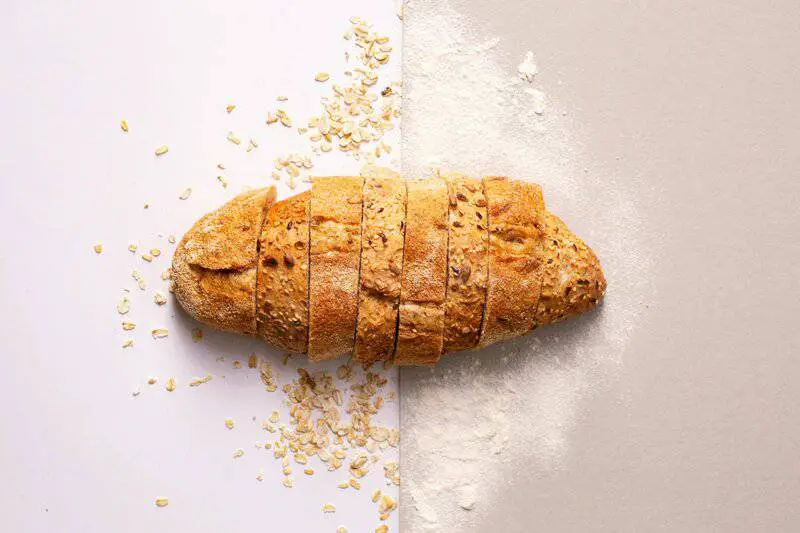 Hearty slices of whole grain bread are topped with a rustic blend of barley and oats for wholesome goodness. | Photo by Mariana Kurnyk on Pexels
My great-grandmother’s pantry was filled with whole grains—hearty oats, nutty barley, and rustic brown bread.
By making the same switch, I boosted my daily fiber and felt more energized throughout the day.
Modern science backs this up: the Cleveland Clinic recommends whole grains for better digestive and heart health.
These nourishing staples became the backbone of my new-old way of eating.
6. Limited Meat, More Plant Proteins
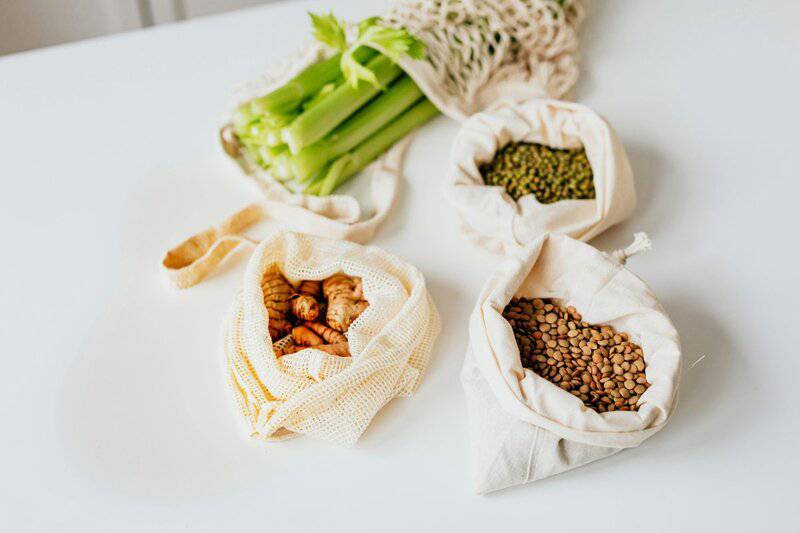 A wholesome spread of colorful beans, hearty lentils, and farm-fresh eggs arranged on a rustic tabletop. | Photo by Photo By: Kaboompics.com on Pexels
In my great-grandmother’s day, meat was a special-occasion food, not an everyday ingredient.
Most meals centered around beans, lentils, and eggs—simple, affordable sources of protein.
This shift not only eased my grocery budget, but also aligned with a growing body of evidence from Harvard Medical School supporting plant-based diets for heart health and longevity.
I discovered new favorite recipes and felt lighter, both physically and mentally.
7. Fermented Foods for Gut Health
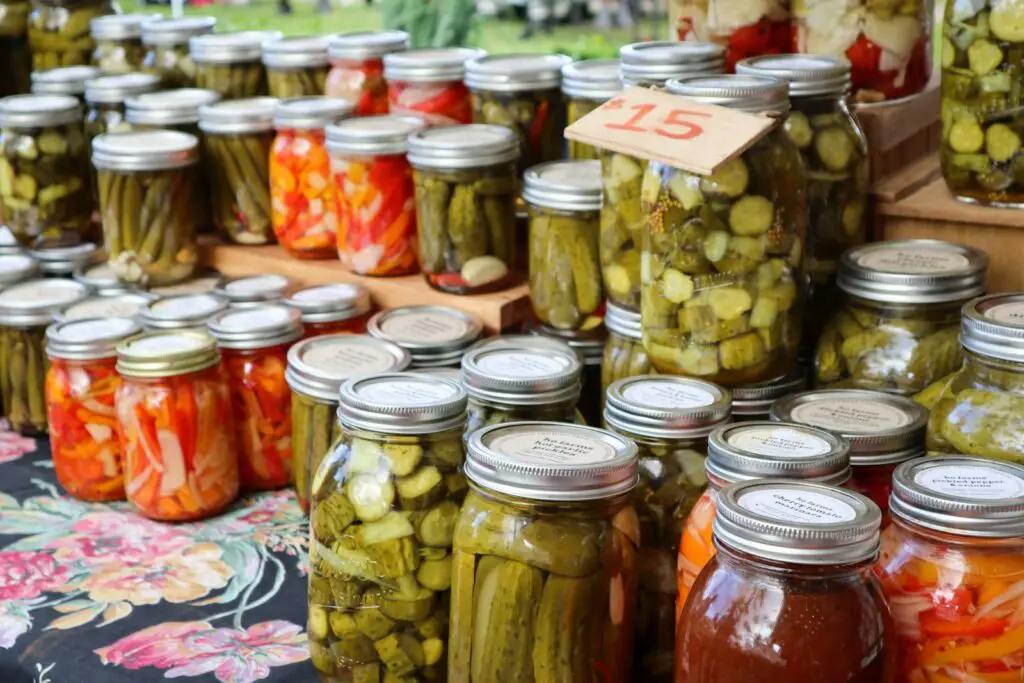 Glass jars of tangy sauerkraut and creamy yogurt showcase the art of fermentation on a rustic kitchen counter. | Photo by little plant
My great-grandmother’s kitchen always had a jar of homemade sauerkraut fermenting or fresh yogurt chilling.
Adding these to my daily meals introduced beneficial probiotics and a tangy zing to my palate.
Research from Johns Hopkins Medicine highlights how fermented foods support gut microbiome diversity.
I noticed better digestion and a surprising boost in overall mood and energy.
8. Butter and Lard Instead of Vegetable Oils
 Source: flickr.com
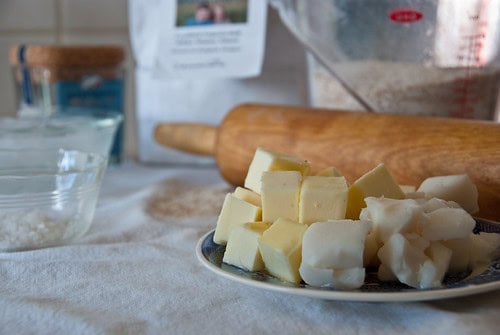
In my great-grandmother’s time, butter and lard were kitchen staples, not villains.
Swapping modern vegetable oils for these traditional fats brought a rich, satisfying flavor to my cooking.
Surprisingly, recent research—including a study in the British Medical Journal—suggests that traditional animal fats may not be as harmful as once thought, especially when used in moderation.
This return to old-fashioned fats felt both comforting and delicious, challenging modern dietary assumptions.
9. Daily Movement and Chores
 A woman enjoys a brisk walk outside while carrying a laundry basket, blending household chores with an active lifestyle. | Photo by Siarhei Nester on Pexels
Embracing my great-grandmother’s lifestyle meant building movement into every day.
Instead of structured workouts, I found myself walking more, tending a small garden, and handling household chores by hand.
This organic activity mirrors CDC guidelines that highlight the health benefits of consistent, moderate movement.
I felt stronger and more energetic, realizing that staying active doesn’t require a gym—just a return to the rhythms of daily life.
10. No Snacking Between Meals
 A beautifully set table awaits the next meal, with a clock in the background marking the approaching mealtime. | Photo by Max Vakhtbovycn on Pexels
Set mealtimes were a hallmark of my great-grandmother’s day—snacking was virtually unheard of.
I adjusted to eating only at breakfast, lunch, and dinner, letting my body rest between meals.
This pattern mirrors Johns Hopkins research on time-restricted eating, which shows positive metabolic benefits.
Soon, I noticed more stable energy and less mindless eating throughout the day.
11. Homegrown Herbs and Vegetables
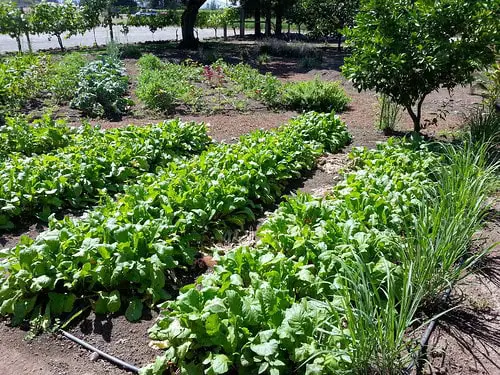 A lush garden brims with fresh herbs and a vibrant vegetable patch, bursting with greenery and life. | Photo by flickr.com
Inspired by my great-grandmother’s garden, I began growing my own herbs and vegetables on a sunny windowsill and small backyard patch.
Harvesting fresh, pesticide-free produce felt incredibly rewarding and added vibrant flavors to every meal.
According to the National Gardening Association, home gardening increases access to healthy, nutrient-dense foods.
The simple act of tending to my plants grounded me and brought a newfound appreciation for each ingredient.
12. Preserving and Canning for Winter
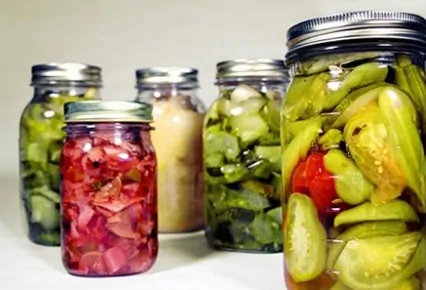 Neatly arranged pantry shelves showcase rows of canning jars filled with colorful, homemade preserved fruits and vegetables. | Photo by conasi.eu
Learning to can and preserve fruits and vegetables was a nostalgic and practical step.
Like my great-grandmother, I spent autumn afternoons filling jars with tomatoes, jams, and pickles, capturing the essence of summer for the colder months.
Not only did this tradition reduce food waste, but it also ensured healthy, homemade options all year long.
The National Center for Home Food Preservation highlights these benefits, underscoring the nutritional value of home-preserved foods.
13. Minimal Eating Out or Takeout
 A cheerful family gathers around a cozy kitchen table, sharing a homemade meal and warm conversation in their inviting home. | Photo by rawpixel.com
Restaurants and takeout were once true luxuries for my great-grandmother—and for six months, they became rare for me too.
Nearly every meal was cooked and enjoyed at home, giving me full control over ingredients and portions.
This habit mirrors the Cleveland Clinic’s advice for developing healthier eating patterns.
I found myself savoring food more and appreciating the ritual of a home-cooked meal.
14. Cooking as a Family Activity
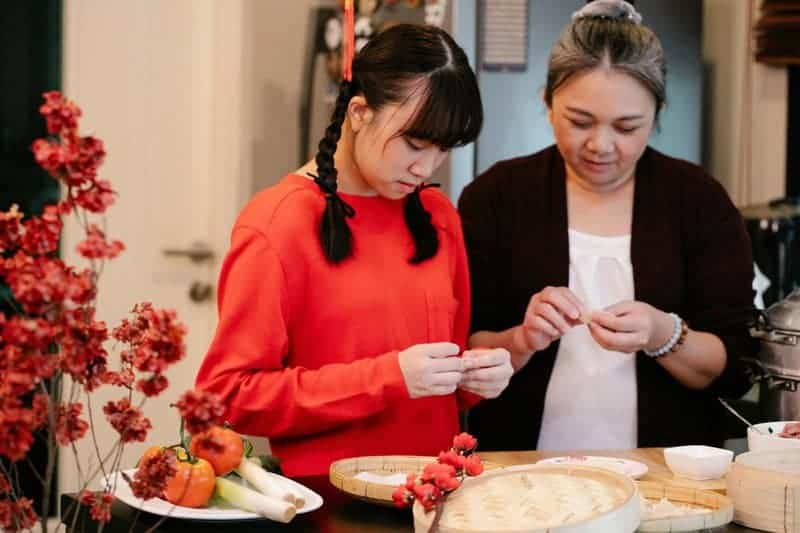 Three generations gather around a bustling kitchen island, joyfully chopping vegetables and preparing a family meal together. | Photo by Angela Roma on Pexels
One of the most heartwarming changes was making cooking a family affair.
We gathered in the kitchen, sharing stories and recipes, just as my great-grandmother’s family did.
This ritual deepened our bonds and turned meal prep into a joyful, shared experience.
The American Psychological Association notes that shared cooking fosters healthy eating and strengthens family connections, proving that tradition can nourish both body and soul.
15. Simple Ingredients, Fewer Additives
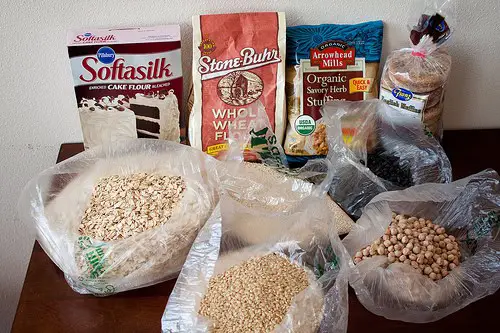 A wholesome assortment of raw pantry staples—grains, beans, and spices—showcases simple, clean-label ingredients at their finest. | Photo by foodista.com
Every recipe I made was rooted in simplicity: flour, eggs, milk, salt, and fresh produce.
There was no room for artificial flavors, colors, or preservatives—just honest, straightforward food.
This approach mirrors FDA recommendations to limit additives for overall health.
I learned to appreciate the true taste of each ingredient, and my body thanked me for keeping things uncomplicated and natural.
16. Broth-Based Soups and Stews
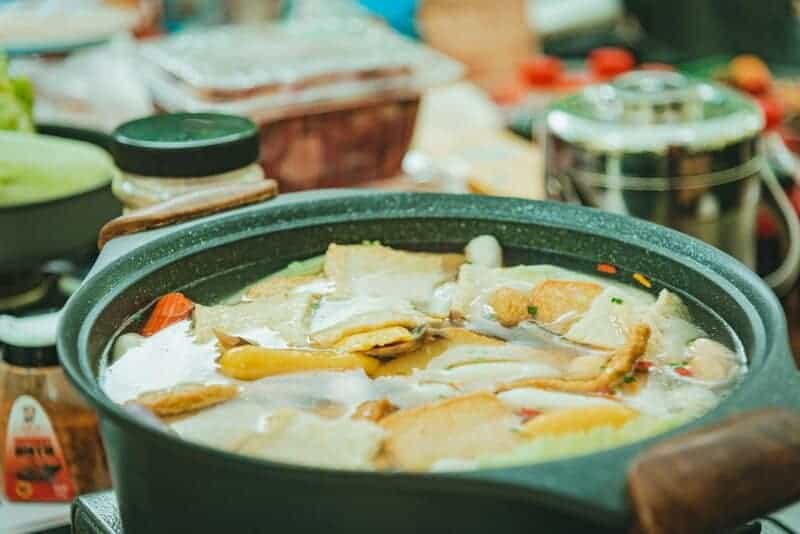 A hearty stew pot simmers with nourishing bone broth and vibrant vegetables, filling the kitchen with savory aromas. | Photo by SONIC on Pexels
Soups and stews simmered daily in my great-grandmother’s kitchen, made from bones, vegetables, and scraps to stretch every ingredient.
These nourishing meals warmed me from the inside out and delivered a boost of vitamins, minerals, and collagen.
The Academy of Nutrition and Dietetics highlights the benefits of homemade soups for both nutrition and budget.
They quickly became a comforting staple in my modern kitchen.
17. Dairy from Local Sources
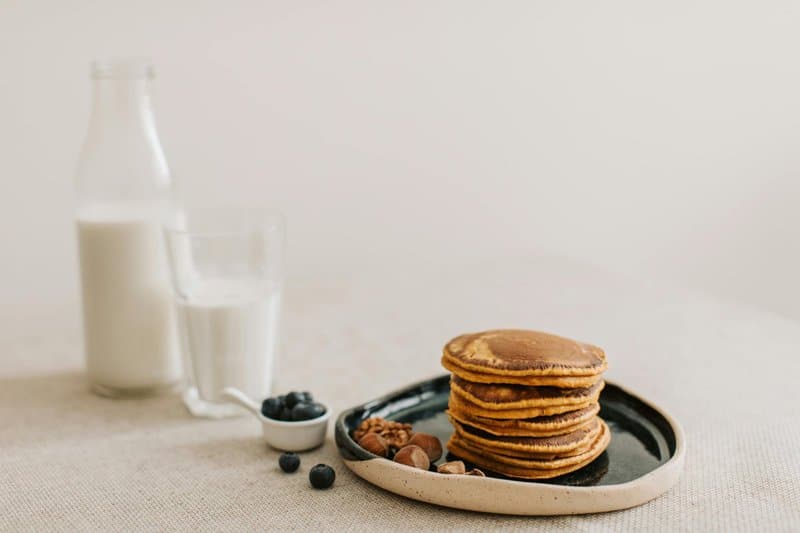 A rustic wooden table features a glass bottle of fresh milk beside wedges of creamy homemade cheese from a local dairy. | Photo by Vlada Karpovich on Pexels
Just like my great-grandmother, I began choosing local milk, butter, and cheese—sometimes even making simple cheeses at home.
This ensured every bite was fresher and I knew exactly where my dairy came from.
Sourcing locally not only heightened the quality and flavor, but also supported nearby farmers and reduced my food’s environmental footprint.
Organizations like FoodPrint recommend this approach for a more sustainable and transparent food system.
18. Less Salt, More Herbs and Spices
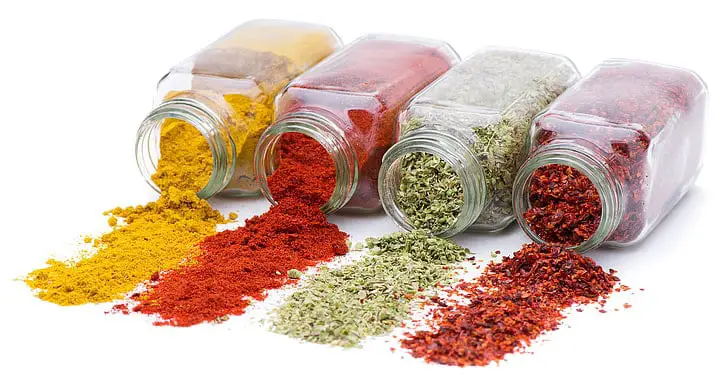 A vibrant herb garden bursts with fresh basil, rosemary, and colorful spices, ready to elevate any homemade dish. | Photo by wallpaperflare.com
Rather than reaching for the salt shaker, I turned to fresh herbs and aromatic spices to bring dishes to life.
This echoed my great-grandmother’s method of coaxing flavor from what she grew or had on hand.
Following American Heart Association guidelines, I reduced sodium and discovered a vibrant spectrum of tastes, all while supporting my heart health.
19. Sourdough and Traditional Breads
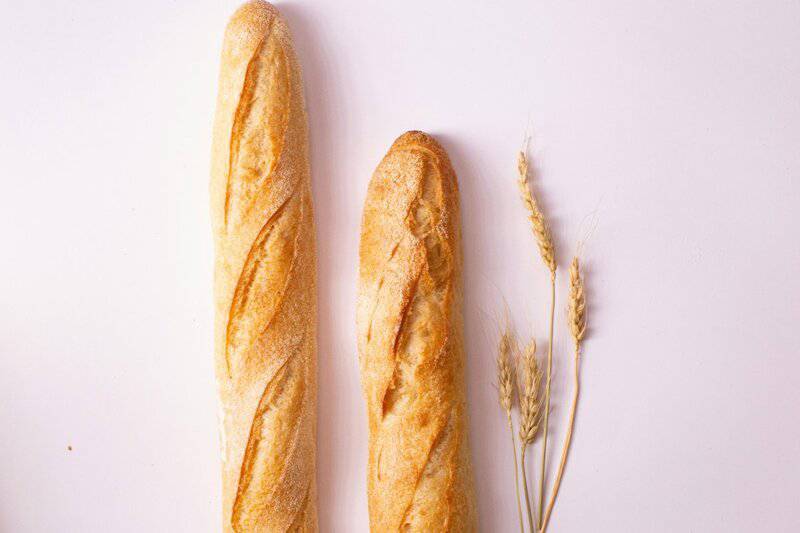 A crusty loaf of rustic bread sits beside a bubbling jar of sourdough starter, ready for home baking. | Photo by Mariana Kurnyk on Pexels
Baking sourdough and whole-grain breads became a cherished ritual, filling my kitchen with irresistible aromas.
This old-fashioned method not only yielded richer flavors but also improved my digestion, thanks to natural fermentation.
A study in the Journal of Cereal Science supports the digestive and nutritional benefits of traditional bread-making.
The simple act of kneading dough connected me to my great-grandmother’s hands—and brought wholesome, homemade bread to my table.
20. Drinking Mostly Water and Herbal Teas
 A steaming teapot sits beside a fragrant cup of herbal tea and a refreshing glass of water on the table. | Photo by wallpaperflare.com
My great-grandmother’s beverage choices were simple: fresh water and homemade herbal teas brewed from garden plants.
By following her lead, I cut back on sugary drinks and unnecessary caffeine, feeling more hydrated and clear-headed.
This approach aligns with CDC recommendations, which tout water as the healthiest drink.
Each sip became a gentle reminder of the nourishing power of simplicity.
21. Less Dairy Overall
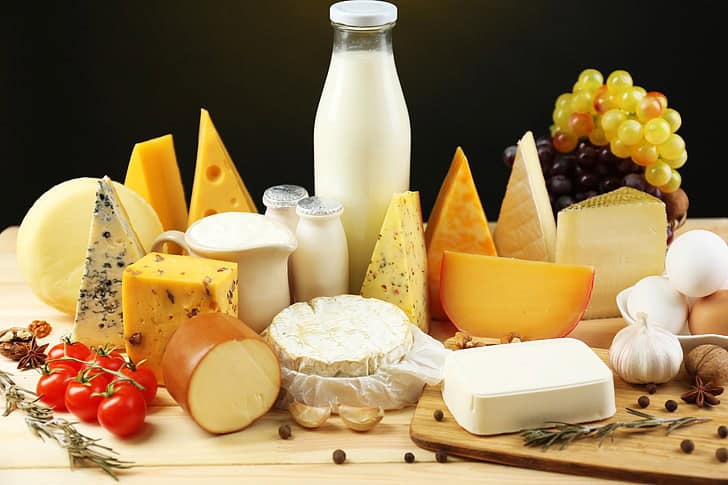 A small wedge of cheese sits beside a cup of milk, highlighting the idea of enjoying dairy in moderation. | Photo by wallpaperflare.com
While dairy was present in my great-grandmother’s meals, it was always used in moderation—a splash of milk or a pat of butter, never excess.
This balanced approach mirrors the Dietary Guidelines for Americans, which encourage mindful dairy consumption for optimal health.
I found that savoring small amounts added richness to dishes without overwhelming my diet or my digestion.
22. Eating Nose-to-Tail
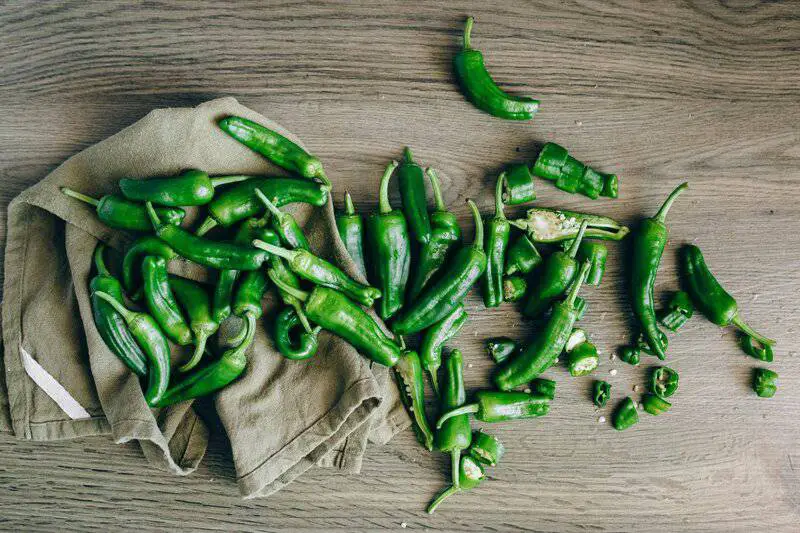 A rustic butcher’s table showcases a variety of nose-to-tail cuts, including offal, highlighting whole animal cooking. | Photo by Nataliya Vaitkevich on Pexels
My great-grandmother believed in using every part of the animal—bones for broth, organ meats for stews, and scraps for flavor.
Adopting this nose-to-tail approach honored her resourcefulness and minimized food waste.
It’s a sustainable practice now championed by the BBC for its environmental and nutritional benefits.
I gained a newfound respect for each meal and a deeper connection to the food on my plate.
23. Weekly Baking Rituals
 A family gathers around a rustic kitchen table, kneading bread dough and preparing a golden homemade pie together. | Photo by RDNE Stock project on Pexels
Each week, I dedicated time to baking bread, pies, or simple cakes, just as my great-grandmother did.
This ritual not only filled the house with enticing aromas but also built anticipation and structure into our meals.
It’s a tradition with deep roots, as described by Smithsonian Magazine—a reminder that baking can nourish both body and spirit, week after week.
24. More Legumes for Protein
 A hearty bowl of lentil soup surrounded by assorted beans and classic legume dishes invites a comforting meal. | Photo by Ella Olsson on Pexels
Beans, peas, and lentils appeared on my table almost daily, just as they did for my great-grandmother.
These humble legumes packed each meal with plant-based protein and plenty of fiber.
Their nutritional power is praised by the Harvard School of Public Health for supporting sustained energy and digestive health.
I quickly grew to love their versatility and heartiness.
25. Mindful Eating and Meal Times
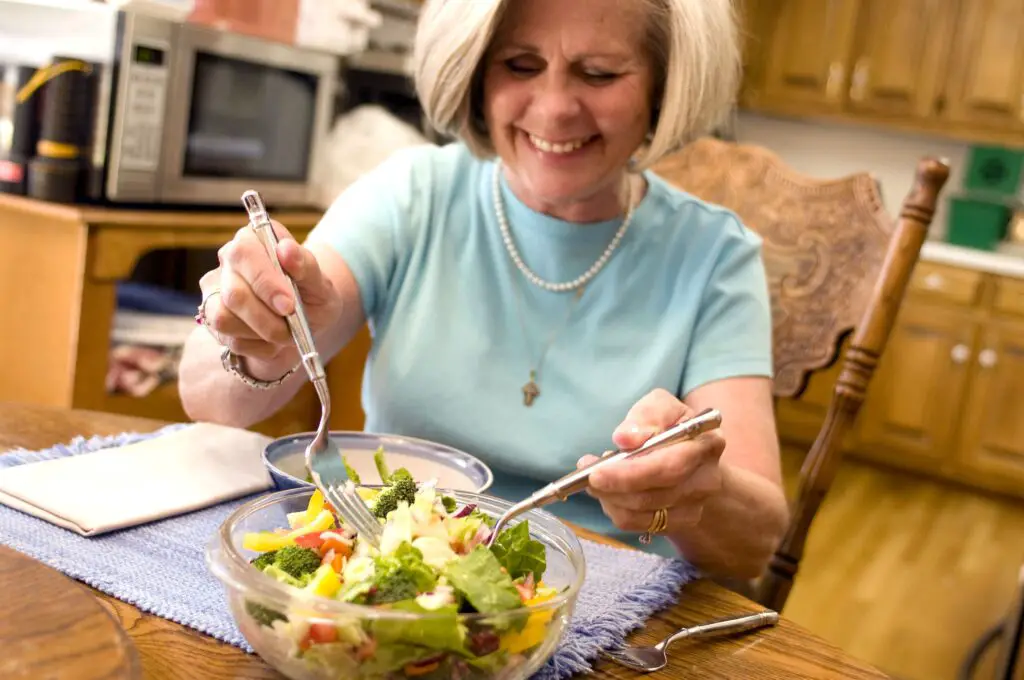 A family gathers around the dinner table, sharing a mindful meal and savoring every bite together in warm conversation. | Photo by pixnio.com
Slowing down at the table, I practiced mindful eating—savoring each bite and enjoying conversation without distractions.
This simple habit, rooted in my great-grandmother’s mealtime rituals, helped me recognize true hunger and fullness.
Research from Harvard Health Publishing confirms that mindful eating can enhance digestion and boost satisfaction, making every meal a more rewarding experience.
26. Homemade Pickles and Preserves
 A colorful assortment of pickles and preserves fills glass pickling jars, showcasing vibrant textures and homemade flavors. | Photo by JÉSHOOTS on Pexels
My pantry soon filled with homemade pickles and fruit preserves, echoing my great-grandmother’s knack for capturing each season’s best.
Pickling not only preserved vibrant flavors but also introduced probiotics, supporting gut health.
The National Center for Home Food Preservation highlights the benefits of these time-honored methods, which brought a tangy, nutritious spark to everyday meals.
27. No Artificial Sweeteners
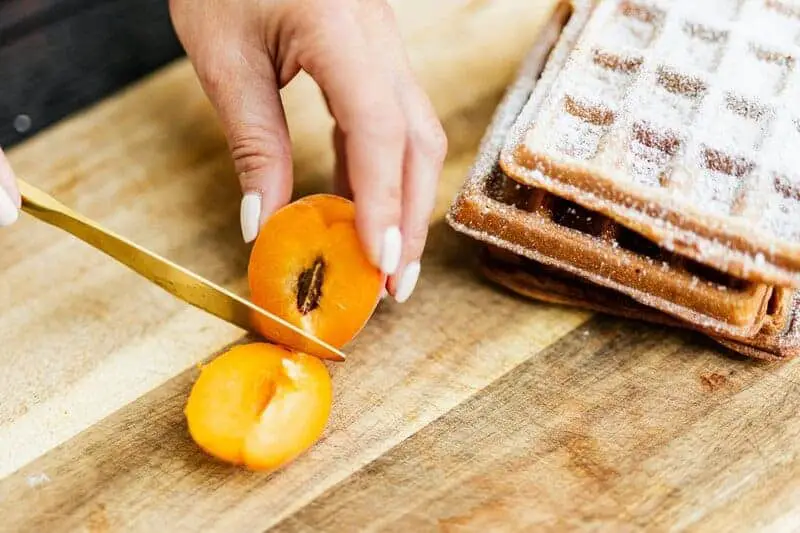 A colorful assortment of fresh fruit slices arranged in a bowl, offering natural sweetness with no sugar packets in sight. | Photo by Photo By: Kaboompics.com on Pexels
My great-grandmother’s diet didn’t include artificial sweeteners—and for six months, neither did mine.
Instead, I relied on fruit, honey, or maple syrup when a touch of sweetness was needed.
The NIH highlights ongoing questions about the long-term health impacts of synthetic sweeteners, making this old-fashioned choice feel reassuringly simple.
28. Eating Less, Wasting Less
 An empty plate sits beside a container of leftovers, a reminder of smart meal planning for the week ahead. | Photo by Vegan Liftz on Pexels
My great-grandmother’s frugal habits inspired me to finish leftovers and minimize food waste.
Nothing was tossed out without a second thought—yesterday’s supper became today’s lunch or soup base.
This sustainable approach, recommended by the EPA, not only saved money but deepened my appreciation for every meal.
Reducing waste became second nature, adding purpose to my daily choices.
29. Occasional Fasting or Light Meals
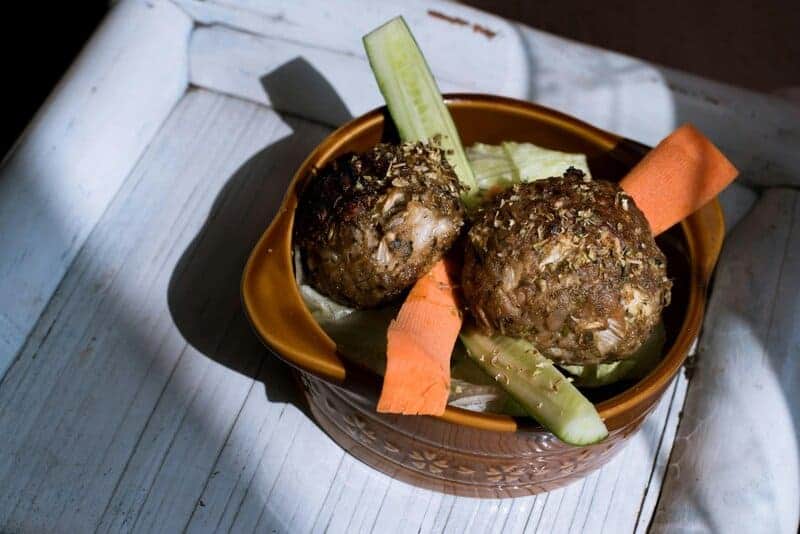 A simple empty bowl rests on a table, symbolizing the anticipation of a light meal during a fasting tradition. | Photo by Abby Chung on Pexels
My great-grandmother often served light broths or skipped meals during illness or for religious reasons.
This practice, similar to today’s intermittent fasting, gave my body time to rest and recover.
According to Johns Hopkins Medicine, intermittent fasting can offer metabolic and cellular benefits.
I found these gentle pauses refreshing, and they helped me listen to my body’s true needs.
30. Health Outcomes Surprised My Doctor
 A doctor discusses medical results with a patient during a health checkup, fostering trust and attentive care in the clinic. | Photo by betterhealthwhileaging.net
At my six-month checkup, the results were nothing short of remarkable.
My doctor stared at the numbers: lower cholesterol, improved blood sugar, and steady weight loss—all achieved by embracing my great-grandmother’s way of eating.
He remarked that these changes rivaled what he sees with some medications.
This transformation echoed findings in the American Journal of Clinical Nutrition, highlighting the lasting benefits of traditional, whole-food diets on modern health.
31. Emotional and Social Benefits
 A joyful family gathers around a table, sharing a homemade meal that celebrates their cherished cultural traditions. | Photo by RDNE Stock project on Pexels
Beyond the physical changes, adopting my great-grandmother’s lifestyle brought unexpected emotional rewards.
Cooking and sharing meals with family deepened our bonds and rekindled beloved traditions.
I felt more grounded, connected, and at peace—a shift supported by NIH research showing how cultural practices and family rituals can enhance mental well-being.
This journey fed my soul as much as it nourished my body.
32. Time and Planning Required
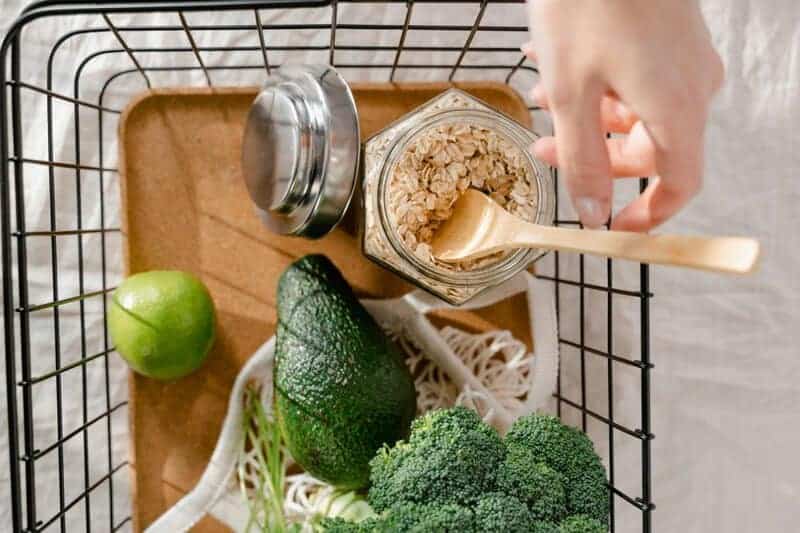 A neatly organized countertop displays a colorful meal prep lineup, a handwritten shopping list, and open cookbooks with tasty plans. | Photo by Tima Miroshnichenko on Pexels
Returning to my great-grandmother’s kitchen habits meant investing extra time in meal planning and preparation.
Chopping, fermenting, and baking from scratch took effort, but each meal felt more rewarding.
Research from the University of Washington’s Center for Public Health Nutrition confirms that time spent on home cooking is linked to greater satisfaction and healthier eating.
Though challenging at times, the payoff was well worth it.
33. Financial Impact of Eating Traditionally
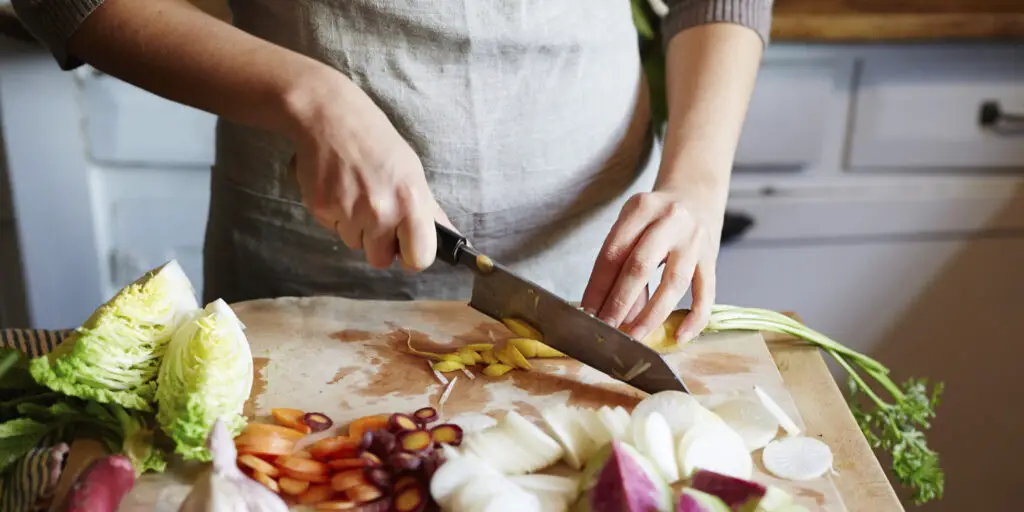 Source: huffpost.com
Shifting to my great-grandmother’s diet altered my grocery bills.
I spent far less on processed snacks and convenience foods, but invested more in fresh produce, whole grains, and quality proteins.
This realignment matches USDA reports showing that healthy, unprocessed foods can shift but not necessarily increase overall food budgets.
In the end, I felt my money was going towards true nourishment.
34. Heightened Appreciation for Food
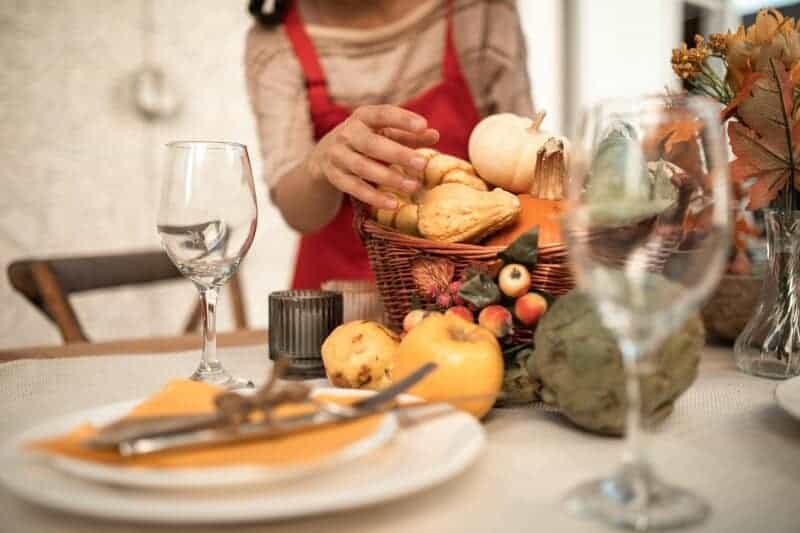 A colorful spread of fresh vegetables and hearty dishes sits on a rustic table, celebrating farm-to-table gratitude and mindful eating. | Photo by RDNE Stock project on Pexels
Preparing every meal from scratch gave me a profound respect for food and its origins.
I became more mindful of where my ingredients came from and the effort required to bring them to the table.
This deeper gratitude echoes sentiments from FoodPrint, highlighting how scratch cooking fosters appreciation for both food sources and the work behind each dish.
35. Lessons for Modern Eating
 A cheerful family gathers in a sleek modern kitchen, preparing simple homemade meals together on the spacious countertop. | Photo by pexels.com
Living as my great-grandmother did taught me that simplicity, sustainability, and shared meals offer powerful antidotes to today’s rushed, convenience-driven lifestyle.
These time-tested habits helped me slow down, waste less, and reconnect with both food and family.
As modern writers have discovered, returning to traditional cooking can nurture both body and spirit, providing practical wisdom for a healthier, more connected life.
36. Would I Do It Again?
 A smiling person gazes thoughtfully out a window, their expression glowing with gratitude and quiet reflection. | Photo by pexels.com
Looking back, the health gains and emotional rewards of this six-month experiment far outweighed any inconvenience or extra effort.
While not every tradition fits perfectly into modern life, I’d gladly embrace many of these practices again.
This journey proved that blending the wisdom of the past with today’s knowledge can lead to a more balanced, fulfilling way of eating.
Conclusion
 A vintage table setting bursts with color as a healthy family gathers to enjoy a lovingly prepared traditional meal. | Photo by Jill Wellington on Pexels
My six months eating like my great-grandmother were truly transformative, yielding not only unexpected health improvements but also a deeper connection to food, family, and tradition.
What began as an experiment became a lesson in the power of simplicity and mindful nourishment.
If you’re seeking better health or a more meaningful relationship with your meals, consider embracing some timeless wisdom from the past—you might be surprised by the results.
Disclaimer
 A friendly disclaimer appears on a website screen, reminding viewers to consult their doctor for personalized medical advice. | Photo by Alex Green on Pexels
Please remember: Always consult with a healthcare professional before making significant dietary or lifestyle changes.
What worked for me may not suit everyone—your health journey should be uniquely yours.

Vielleicht interessiert es Sie:
13 Extraordinary Giants Ready to Blow Your Mind! 🌍
10 Chonky Oddities That Will Leave You Speechless! 🤯
9 Unbelievable Absolute Units That Will Leave You Speechless! 🌟
10 Colossal Creatures That Will Leave You Speechless! 🐻
12 Shocking Absolute Units You’ll Have to See! 😲
12 Epic Absolute Units That Will Challenge Your Perceptions! 🔥
Uncover the 11 Ultimate Massive Oddities That Awe! 🌍
9 Unbelievable Oddities That Redefine ‚Massive‘! 🐉💎