

Every autumn and spring, flocks of birds fill the skies—traveling thousands of miles across continents and oceans.
Their journeys are so precise that even the most advanced GPS technology would envy their accuracy.
For generations, scientists and nature lovers alike have been captivated by the question: How do birds navigate such impossible distances without getting lost?
After three years tracking these feathered voyagers, I uncovered 24 jaw-dropping secrets behind their mysterious sense of direction.
Prepare to be amazed by what birds know—and how they find their way home.
1. Reading the Stars
 A flock of migrating birds soars beneath a dazzling night sky, their silhouettes framed by countless shimmering stars. | Photo by Ashkan on Unsplash
Long before humans invented compasses, birds were already charting their courses using the night sky.
Many species, like the indigo bunting, learn to recognize star patterns as chicks.
On clear nights, these birds orient themselves by the positions of constellations—using the North Star as a cosmic signpost.
Curious about the science? Visit the Cornell Lab of Ornithology for more insights.
2. Sensing Earth’s Magnetic Field
 A vibrant illustration shows a compass and a bird soaring above swirling magnetic field lines in the sky. | Photo by Dattatreya Patra on Unsplash
Imagine having an internal compass—birds do! Species like robins and pigeons possess specialized cells that let them sense Earth’s magnetic field.
This invisible force guides them across continents, even on cloudy days or starless nights.
Recent breakthroughs, such as those detailed in Nature, reveal just how sophisticated this magnetic sense truly is.
It’s a navigation trick humans can only dream of.
3. Sun Compass Navigation
 As the sun rises, a flock of birds soars gracefully across the sky, guided by nature’s navigation. | Photo by Richard Sagredo on Unsplash
Birds are expert timekeepers. Many, like homing pigeons, use the sun’s position as a compass, tracking its arc as they fly.
They even adjust their internal clocks to compensate for the sun’s changing location throughout the day.
For a deep dive into this strategy, check out research at the Royal Society.
It’s a brilliant blend of astronomy and biology.
4. Smell-Based Wayfinding
 A curious bird lifts its beak to the fresh forest air, catching delicate scent molecules swirling around. | Photo by Denitsa Kireva on Pexels
The power of a bird’s nose is often underestimated. European starlings and other migratory birds can actually follow subtle scent trails floating on the wind.
These “invisible highways” help guide them over vast distances, even when other cues are missing.
Recent discoveries, highlighted in Science, shed light on just how sophisticated this olfactory navigation is.
Nature’s GPS comes with a remarkable sense of smell!
5. Infrasound Detection
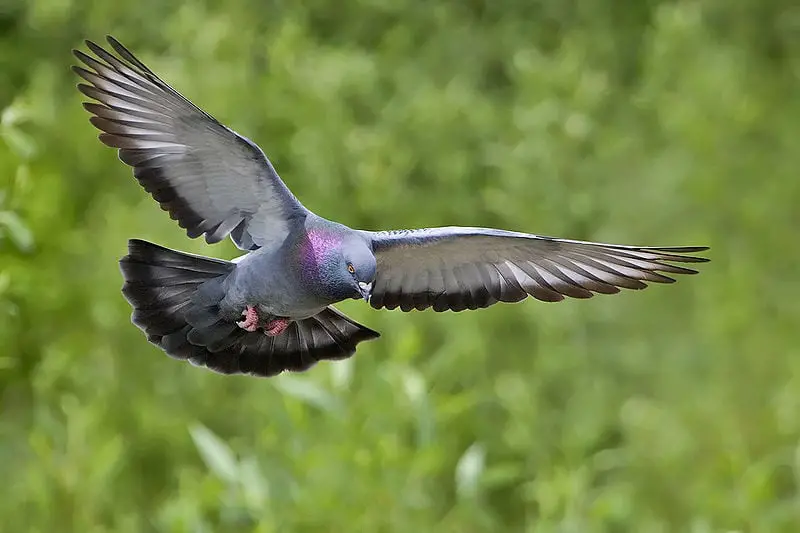 A solitary pigeon glides gracefully above open landscapes, its wings slicing through the air in gentle sound waves. | Photo by arunachalabirds.blogspot.com
Some birds, especially pigeons, can detect infrasound—deep, low-frequency noises generated by oceans or distant storms.
These subtle sounds travel for hundreds of miles, offering birds a natural guide through unfamiliar territory.
For a fascinating look at this phenomenon, explore Scientific American.
It’s yet another layer in their remarkable navigation toolkit.
6. Landmarks and Visual Cues
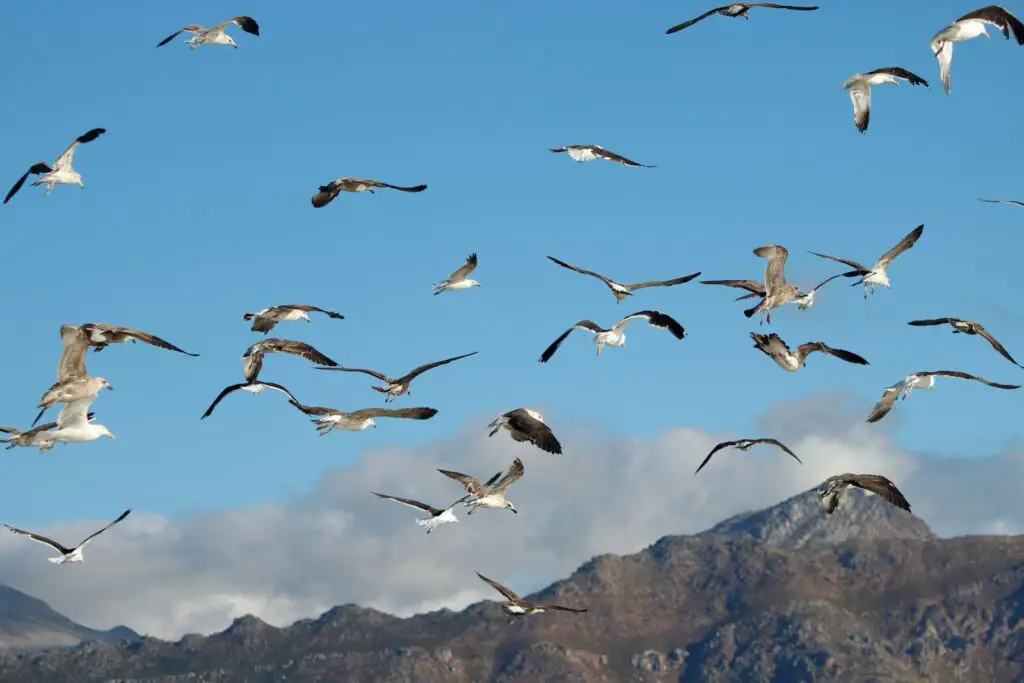 A serene river winds through a majestic mountain range as a flock of birds soars gracefully overhead. | Photo by Lena Bauermeister on Unsplash
Birds are keen observers of the landscape. Flocks often follow recognizable features like rivers, coastlines, or mountain ranges—using these as natural highways.
White storks, for instance, famously trace the winding path of the Nile River during their epic migrations.
For more on these visual strategies, visit National Geographic.
Nature’s geography becomes a living map for migrating birds.
7. Learning from Older Birds
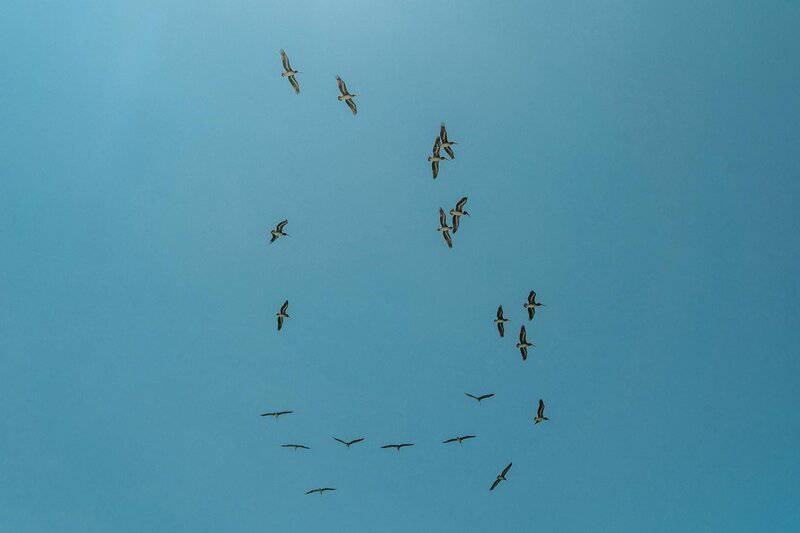 A flock of adult and juvenile birds soars together, young ones learning the migratory route from their elders. | Photo by RDNE Stock project on Pexels
Migration is often a family affair. Young birds, like whooper swans, travel alongside experienced adults, picking up migration routes through direct observation and social learning.
This tradition ensures accuracy and survival with each new generation.
Discover more about this fascinating process at Smithsonian Magazine.
8. Polarized Light Perception
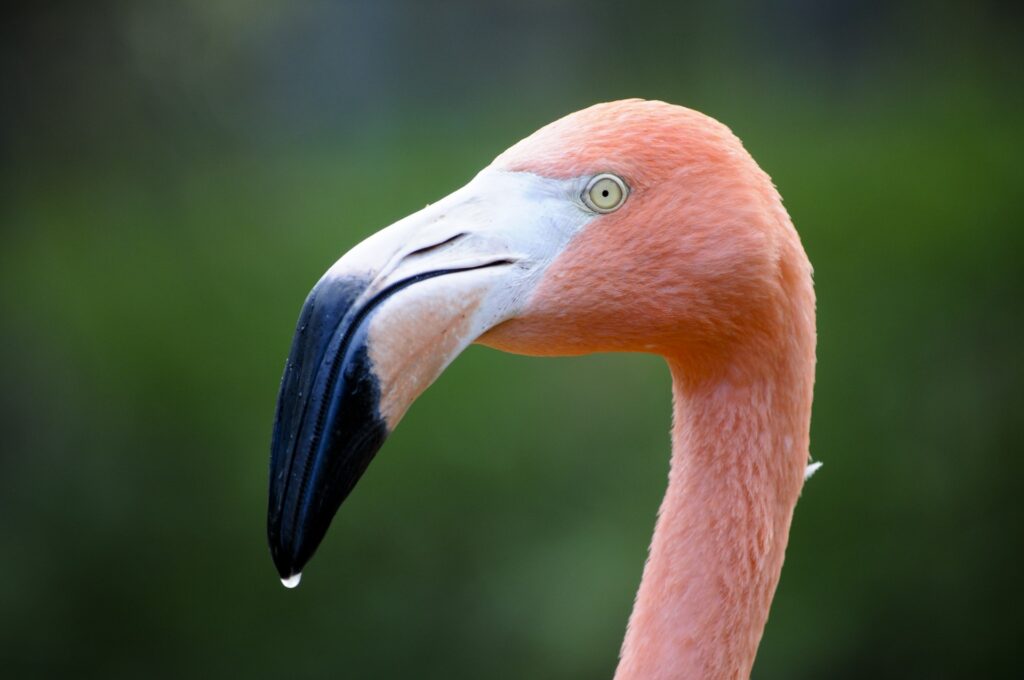 A closeup of a bird’s eye reflects the vibrant colors of polarized light at sunrise, shimmering with intensity. | Photo by publicdomainpictures.net
Birds possess a remarkable ability to see polarized light—patterns invisible to humans.
This skill is especially useful at sunrise and sunset when the sun’s position is hard to pinpoint.
By interpreting these subtle light cues, birds can maintain their bearings in challenging conditions.
Dive deeper into the science at the Journal of Experimental Biology.
9. Adjusting Altitude for Wind
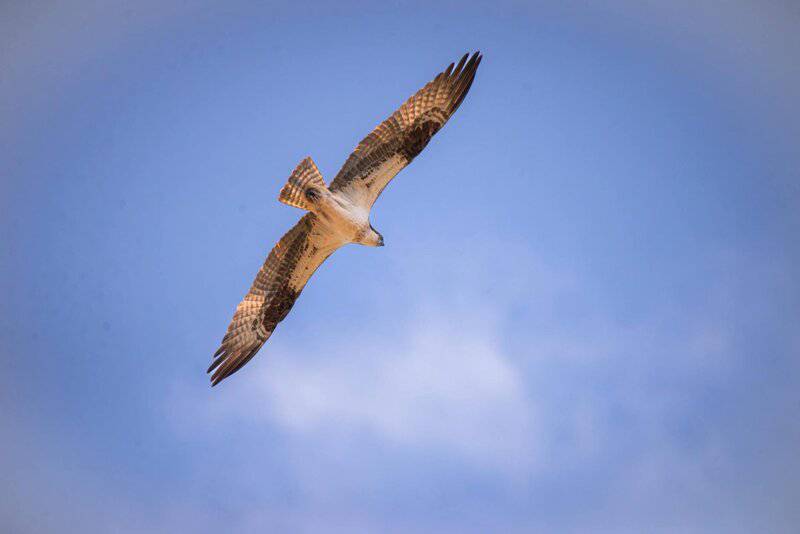 A flock of high-flying birds soars gracefully above swirling wind currents, set against a vibrant altitude map backdrop. | Photo by @coldbeer on Pexels
Savvy migrators know that altitude matters. Many birds, such as the bar-tailed godwit, adjust their flying height to catch the most favorable winds.
This smart strategy helps them conserve energy and travel astonishing distances—sometimes even flying nonstop across the Pacific.
For a closer look at this epic feat, check out the BBC.
10. Using Weather Patterns
 Dark storm clouds swirl across the sky as a flock of birds soars beneath dramatic, ever-changing weather patterns. | Photo by pikist.com
Birds are nature’s weather experts. Before migrating, they sense atmospheric pressure changes and study cloud formations to sidestep storms and harness helpful tailwinds.
Swallows, in particular, have an uncanny knack for predicting weather changes—sometimes even outsmarting meteorologists!
For more on their forecasting prowess, explore the Audubon Society.
11. Magnetite Crystals in Beaks
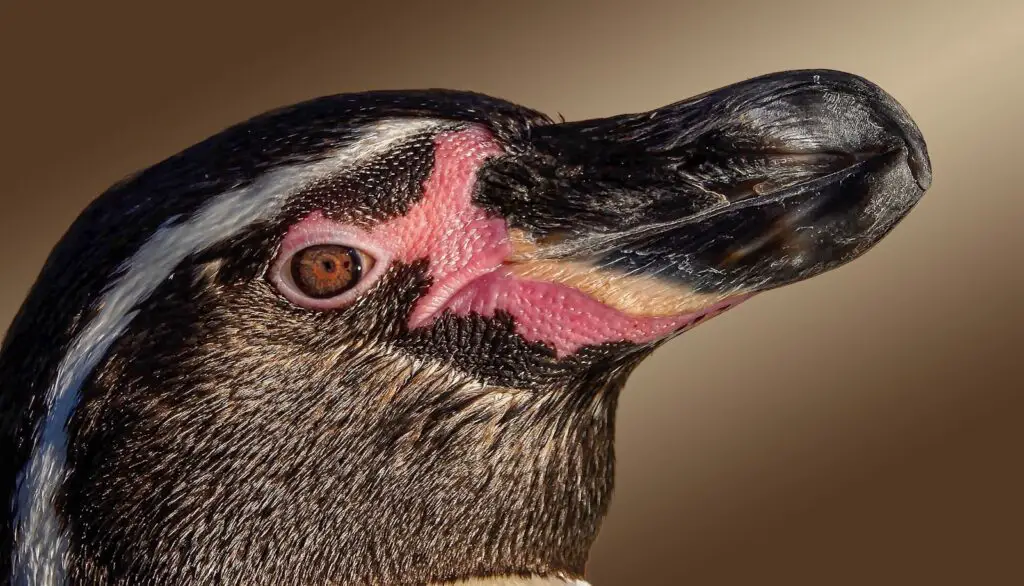 A detailed closeup of a bird’s beak reveals an illustrated cluster of magnetite, highlighting nature’s built-in compass. | Photo by rethink twice on Unsplash
Hidden within the beaks of some birds are tiny magnetite crystals—nature’s own compass needles.
These microscopic particles help birds detect and align with the Earth’s magnetic field, sharpening their sense of direction on long journeys.
Curious about the science? See the latest findings in Science Advances.
12. Celestial Navigation with the Moon
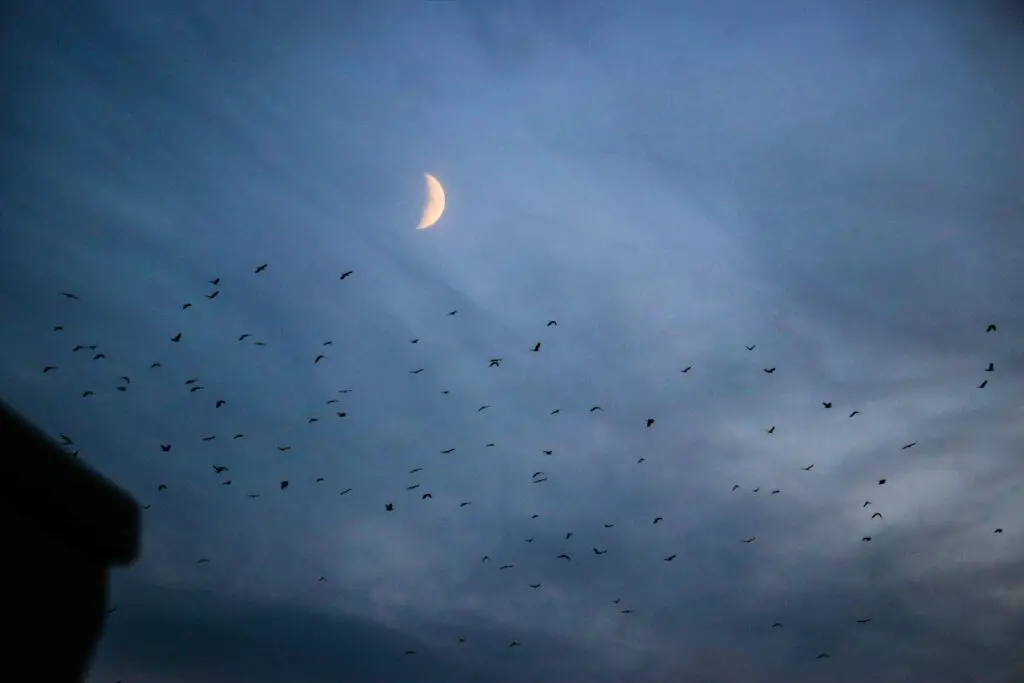
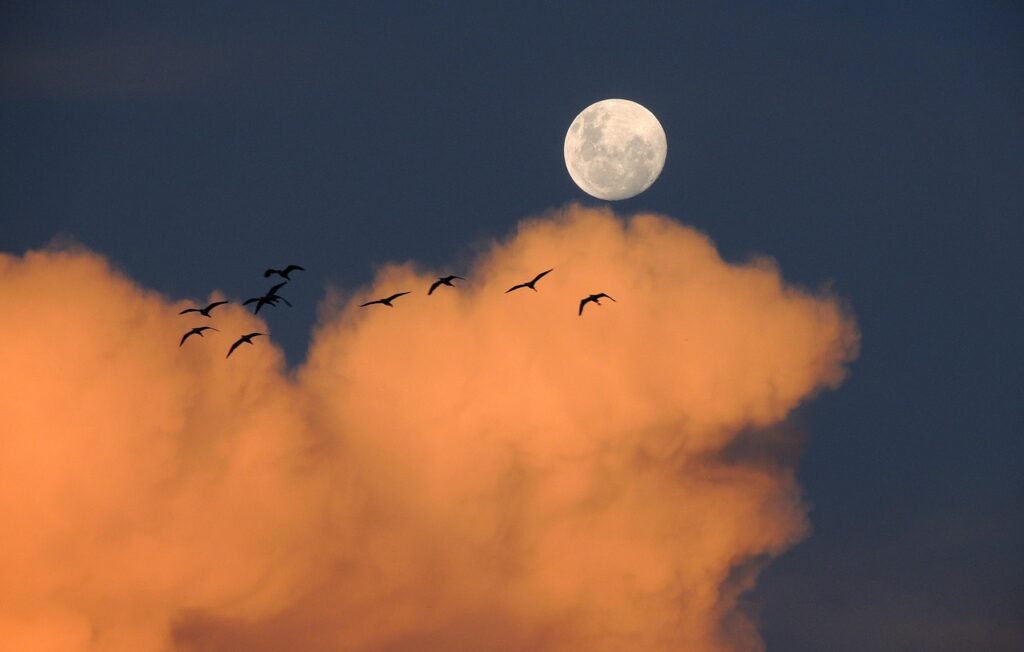 Under a luminous moonlight, a flock of birds soars gracefully across the deep blue night sky. | Photo by pixabay.com
For some night-migrating songbirds, the moon serves as a guiding light.
These birds track the moon’s phases and shifting position, using it as a key reference point during nocturnal journeys.
Discover more about this lunar navigation in action at Live Science.
13. Geomagnetic Map Memory
 A vibrant magnetic map reveals bird migration paths tracing shimmering lines across a dynamic visualization of Earth’s magnetic field. | Photo by flickr.com
Birds do more than just sense magnetic fields—they can actually remember magnetic “landmarks.”
By building a mental map of the unique magnetic intensities they encounter along their route, birds can pinpoint their position with astonishing accuracy.
This magnetic map memory acts like a GPS system, guiding them home.
For a scientific perspective, visit the American Association for the Advancement of Science.
14. Using Soundscapes
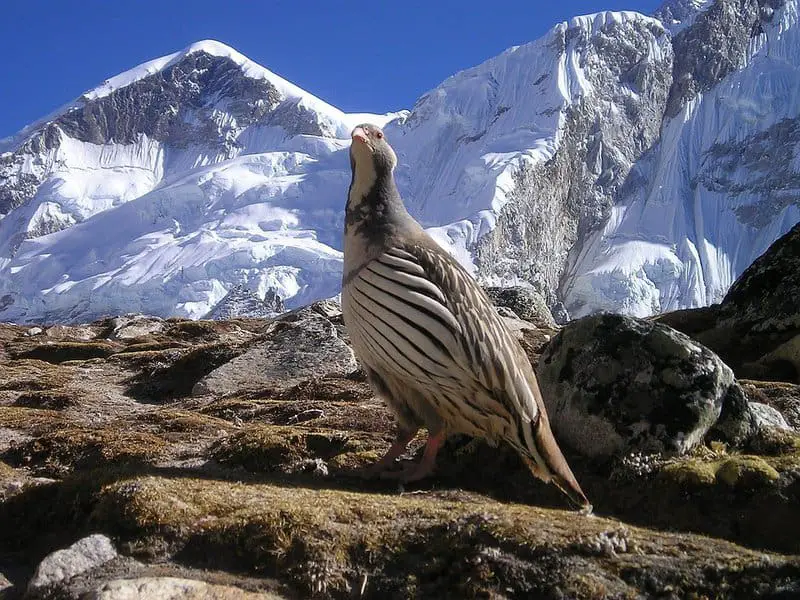 A thoughtful listener sits quietly in a lush forest, immersed in the soundscape of birds calling all around. | Photo by pixabay.com
Birds don’t just see and smell—they listen to their environment too.
Familiar sounds, such as waterfalls, crashing waves, or even city hum, help birds identify key stopover points during migration.
These auditory cues are crucial for successful navigation.
Discover more in-depth research at Yale Environment 360.
15. Social Information Sharing
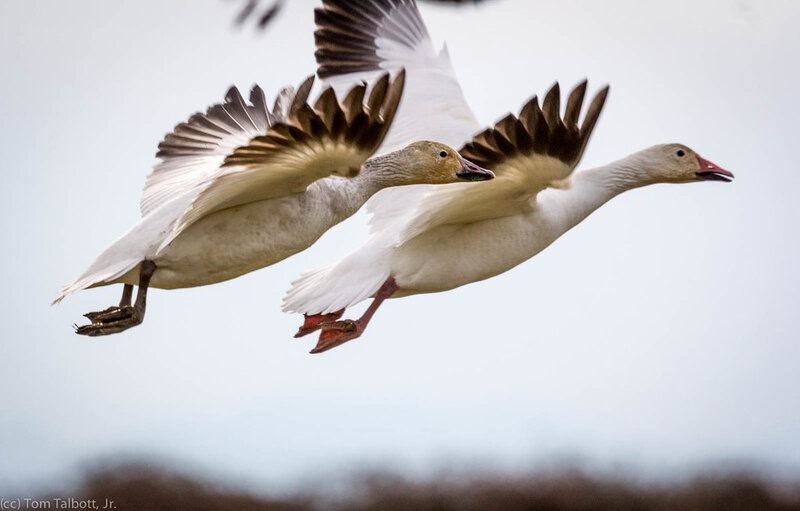 A synchronized flock of geese soars across the sky, showcasing remarkable group communication during their migratory journey. | Photo by flickr.com
Migration isn’t a solo endeavor for many birds. Flocks rely on vocalizations and coordinated group behavior to share critical navigation info.
Geese, for example, honk to communicate route adjustments and warn of hazards mid-flight.
This teamwork improves their chances of success.
Explore more about these social strategies at BirdLife International.
16. Gravity Sensing
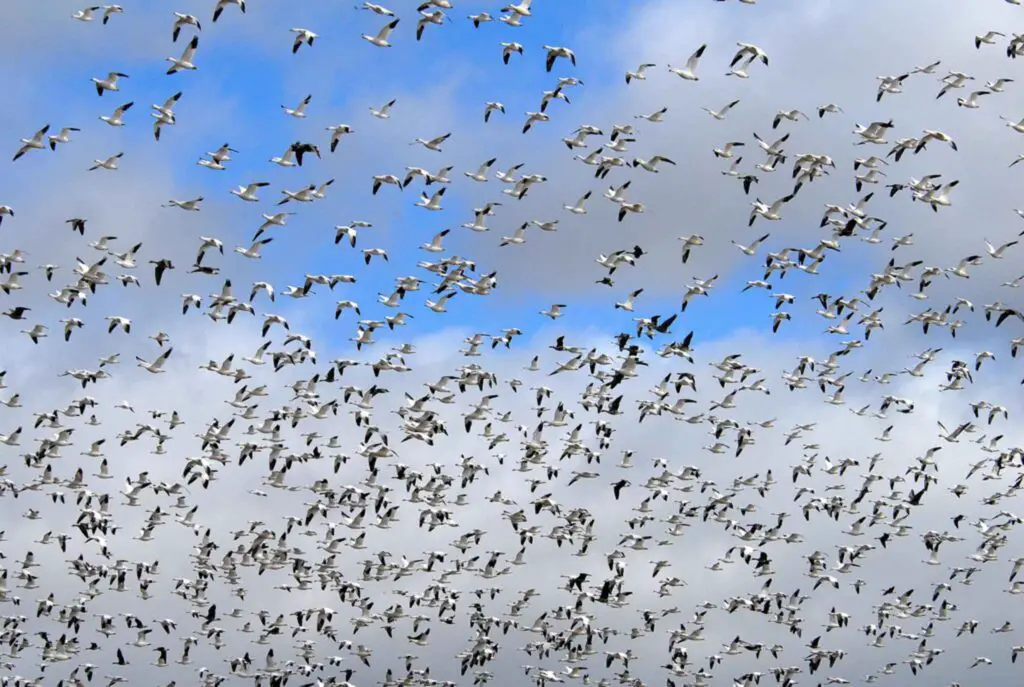 A flock of birds soars gracefully across a swirling gravity field, guided by glowing navigation lines in the sky. | Photo by pixnio.com
Birds possess a remarkable ability to sense gravity, which helps them maintain orientation during long-distance flights—especially when visibility is poor.
This internal sense acts as a natural level, keeping them on course even in fog or darkness.
For more on this fascinating adaptation, visit BioScience.
17. Route Memory
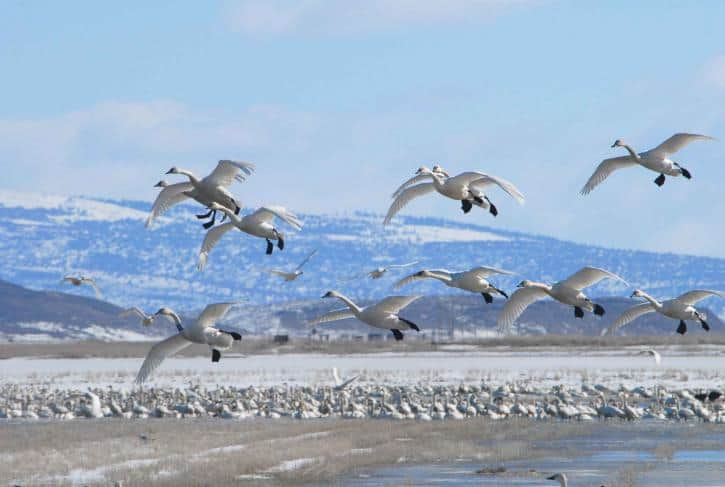 A colorful illustration of a bird’s brain highlights its memory map, revealing how it navigates using familiar landmarks. | Photo by pixnio.com
Experience pays off in the avian world. Older birds draw on memories of specific landmarks and previously successful routes to optimize their migrations.
White-crowned sparrows are a great example—each year, their journeys become more efficient as they recall details from past travels.
For more on this impressive memory, see research from the Royal Society.
18. Sensing Temperature Gradients
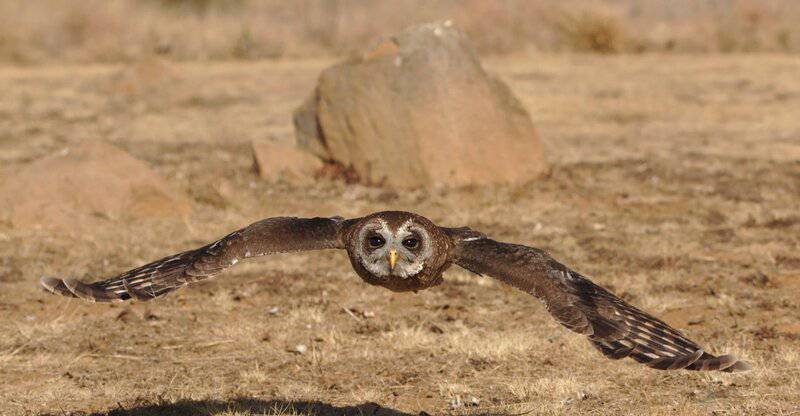 A majestic raptor soars effortlessly on a rising thermal updraft, gliding along the visible temperature gradient in the sky. | Photo by Derek Keats on Pexels
Birds can detect subtle temperature gradients in the atmosphere to locate rising warm air, known as thermals.
Raptors like eagles are masters of this trick, using thermals to soar effortlessly for miles, conserving energy along their route.
For fascinating details on this adaptation, visit the Raptor Resource Project.
19. Following Insects
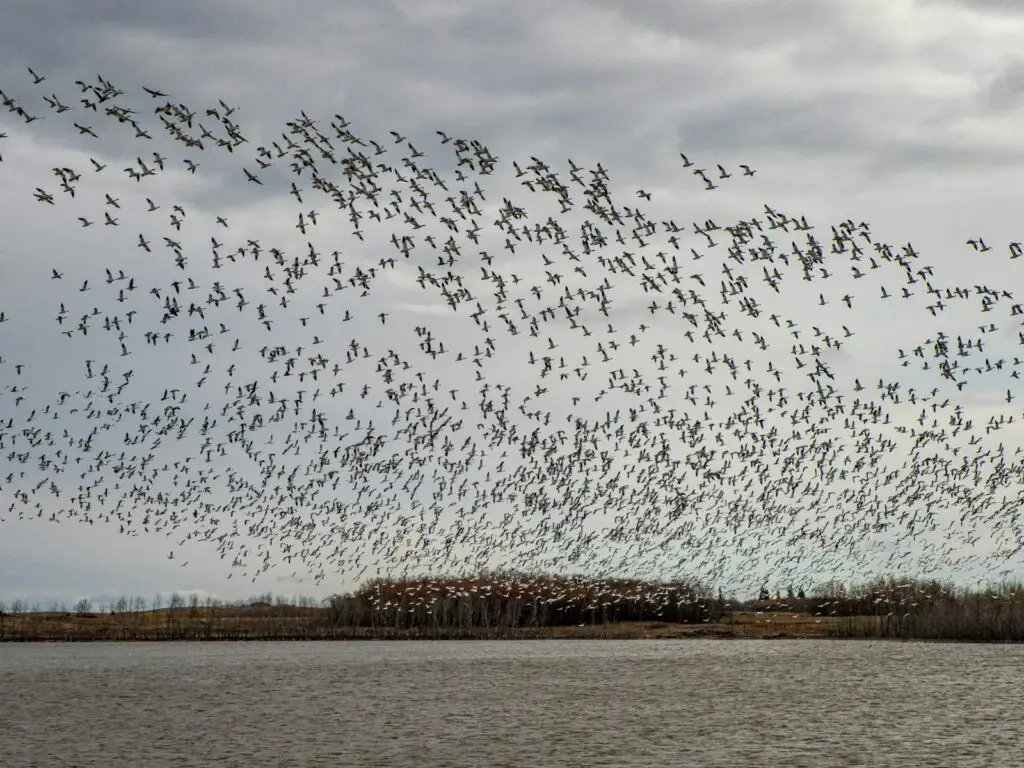 A flock of migrating birds swoops through the air, feasting on a dense swarm of insects at dusk. | Photo by Lesly Derksen on Unsplash
For some birds, migration is a moving feast. They track insect swarms—which themselves migrate seasonally—using them as both a food source and a guide.
This strategy ensures sustenance and subtle navigational cues along the journey.
Discover more about this fascinating behavior at Science Daily.
20. Interpreting Vegetation Patterns
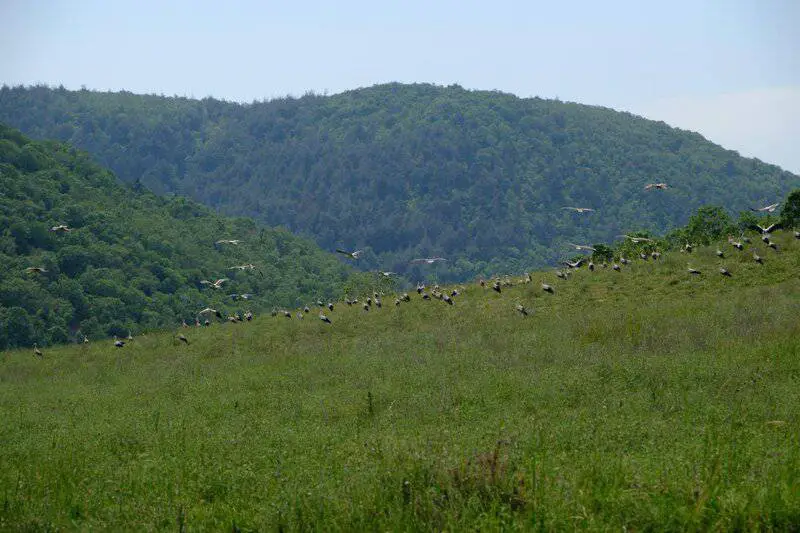 A vibrant vegetation map overlays a lush green landscape as a flock of cranes soars gracefully overhead. | Photo by Oğuzhan Aşcıoğlu on Pexels
Birds are attentive to the landscape’s shifting colors and textures. By recognizing changes in vegetation, they identify fertile stopover sites or align with migration corridors.
Sandhill cranes, for example, follow lush green pathways across continents.
See how these green corridors shape migration at The Nature Conservancy.
21. Using Ocean Currents
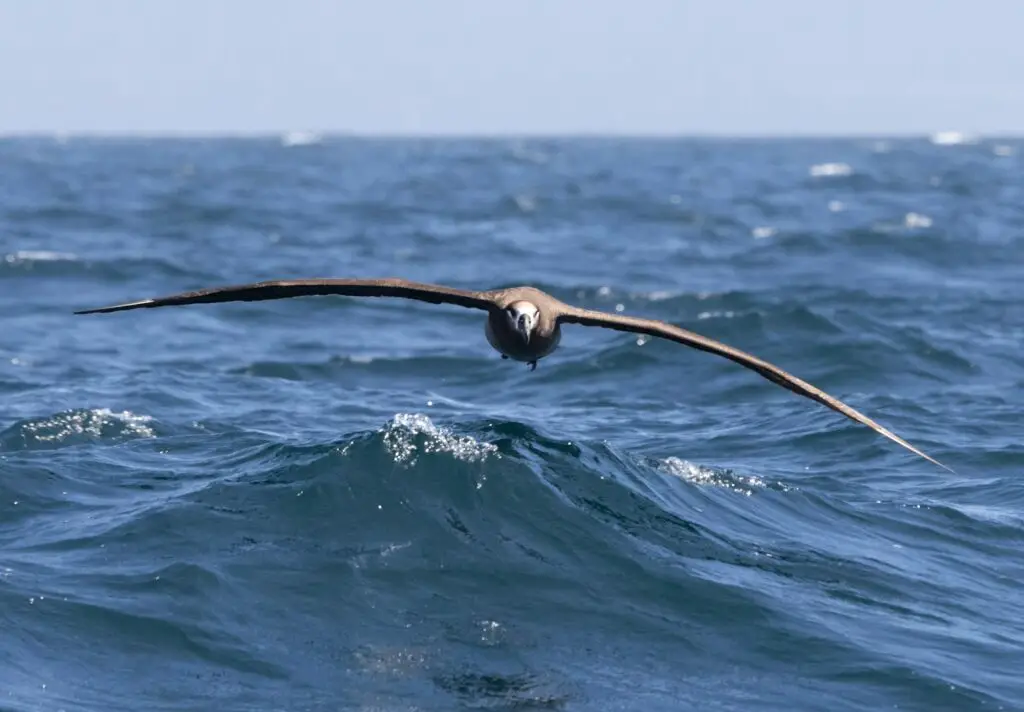 An albatross glides effortlessly above swirling ocean currents, wings outstretched over the vast, open sea. | Photo by Zac Bowling on Unsplash
For seabirds, the ocean itself becomes a map. Species like albatrosses harness their knowledge of ocean currents to glide efficiently over vast, open waters.
These currents not only guide their direction but also help conserve precious energy during migration.
Discover more from NOAA’s research at NOAA.
22. Sensing Air Pressure
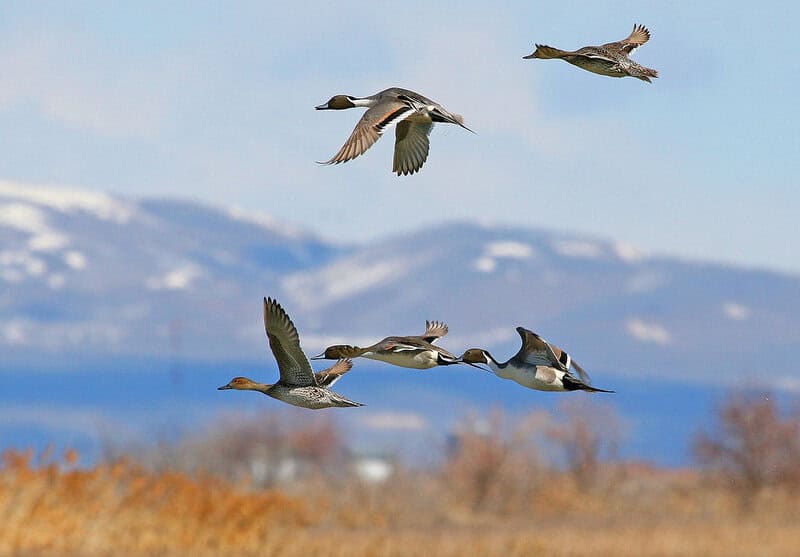 A small bird perches bravely against the wind beside a classic barometer, with swirling pressure lines in the sky. | Photo by flickr.com
Birds possess a finely tuned sensitivity to barometric pressure.
By detecting subtle atmospheric changes, they can anticipate incoming storms and alter their migration path accordingly.
This instinctive weather radar keeps them safe and efficient on their journeys.
Learn more about this adaptation at Weather.com.
23. Networking at Stopover Sites
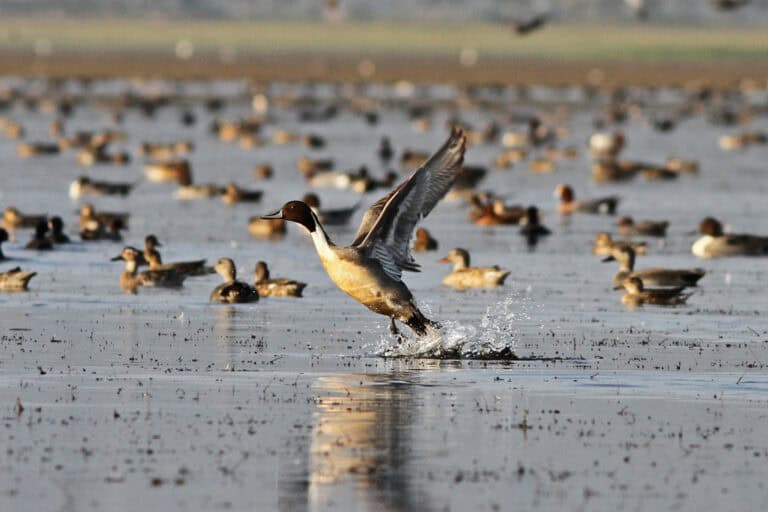 A lively mixed flock gathers at a bustling stopover site, exchanging calls and signals in animated bird conversation. | Photo by mongabay.com
Migration rest stops aren’t just for refueling—they’re vital hubs for exchanging knowledge.
Birds from different populations mingle, sharing updates about routes, hazards, and weather.
This social networking helps refine navigation strategies for the next leg of the journey.
Discover fascinating details at the Cornell Lab.
24. Adapting to Urban Landscapes
 A flock of urban birds soars gracefully above the city skyline, weaving through a mosaic of glowing lights. | Photo by Raziella R on Unsplash
As cities grow, many birds have learned to navigate using urban features. City lights, skylines, and tall buildings now serve as orientation points for species like peregrine falcons that not only navigate but also thrive in bustling environments.
Their flexibility and adaptability are remarkable.
Learn more at the Urban Wildlife Institute.
Conclusion
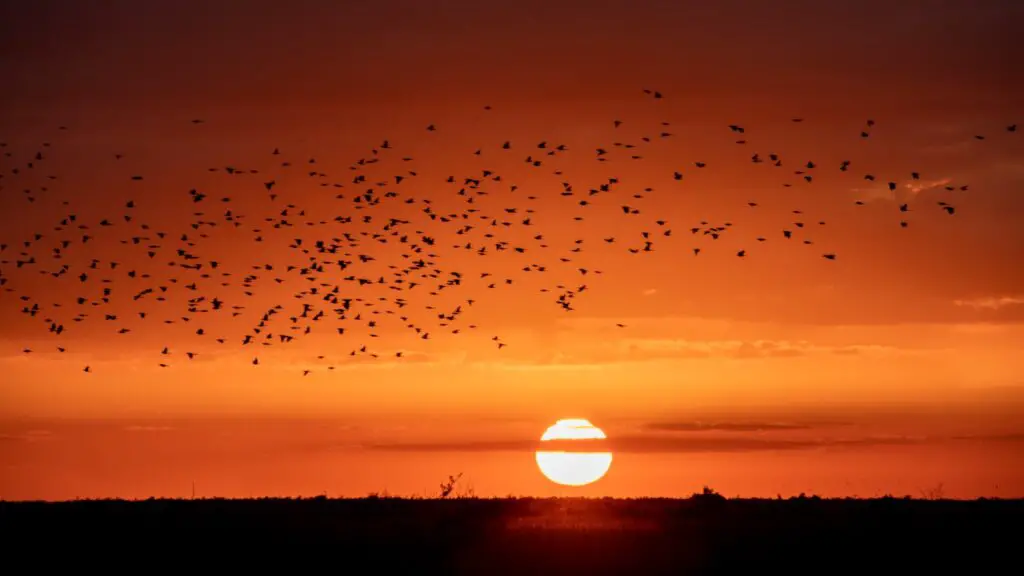
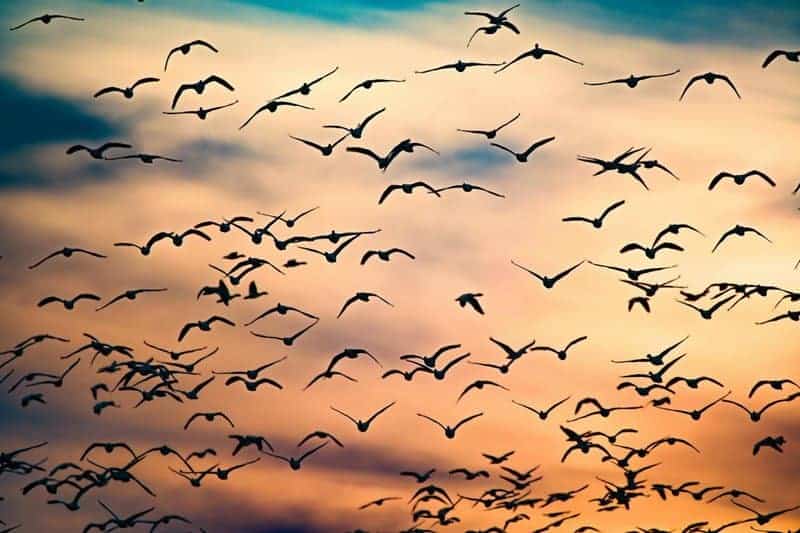 A flock of birds soars across a vibrant sunset sky, embarking on a long journey—a true wonder of nature. | Photo by David Dibert on Pexels
The navigation feats of migrating birds are a testament to nature’s ingenuity and the adaptability of life on Earth.
From reading the stars to mastering cityscapes, these avian travelers continually amaze scientists and inspire anyone who follows their journeys.
There’s still so much to uncover about their mysterious abilities—each discovery deepens our appreciation and understanding.
If you’re fascinated, support bird research or simply observe migration in your area. Who knows what new secrets you’ll witness next?

Vielleicht interessiert es Sie:
13 Extraordinary Giants Ready to Blow Your Mind! 🌍
10 Chonky Oddities That Will Leave You Speechless! 🤯
9 Unbelievable Absolute Units That Will Leave You Speechless! 🌟
10 Colossal Creatures That Will Leave You Speechless! 🐻
12 Shocking Absolute Units You’ll Have to See! 😲
12 Epic Absolute Units That Will Challenge Your Perceptions! 🔥
Uncover the 11 Ultimate Massive Oddities That Awe! 🌍
9 Unbelievable Oddities That Redefine ‚Massive‘! 🐉💎