

We all want to make better choices for our bodies, and “healthy” foods often promise just that. But as an ER doctor, I’ve seen countless patients arrive with alarming symptoms—triggered by foods they thought were nourishing and safe.
Not every health trend fits every individual. Allergies, underlying conditions, and even food preparation methods can turn a superfood into a serious threat.
Understanding your unique health risks is essential. Let’s explore the surprising dangers hiding in some of today’s most popular health foods.
1. Almonds
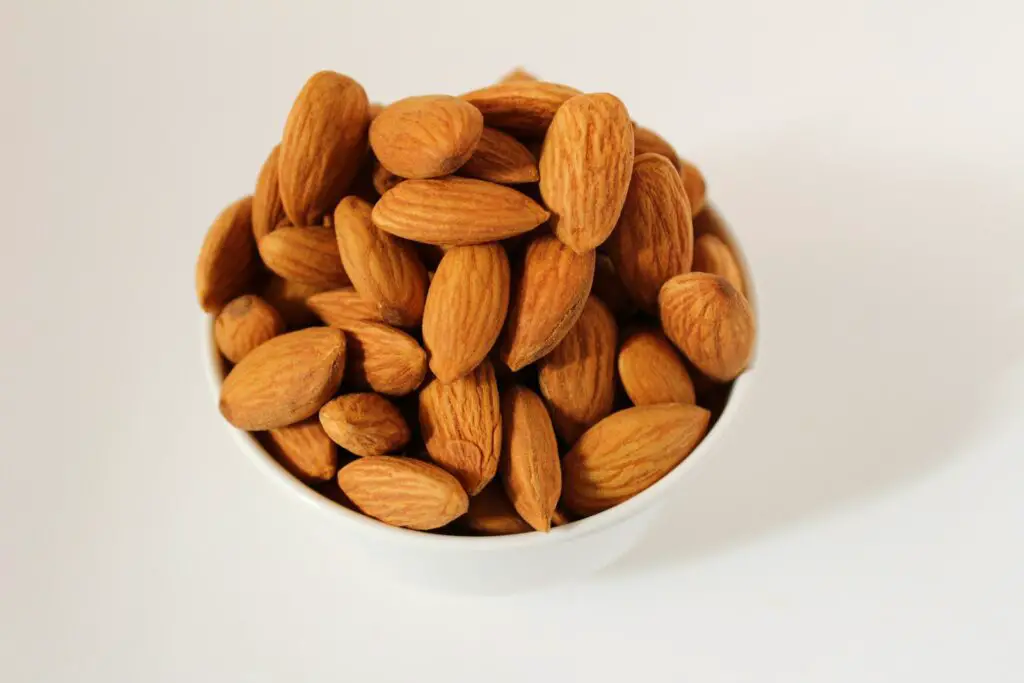 A handful of whole almonds sits atop a warning label, highlighting the risks for those with nut allergies. | Photo by Mockupo on Unsplash
Almonds are praised for their protein and healthy fats, but they’re one of the most common triggers for severe nut allergies. Even a tiny amount can lead to anaphylaxis—a life-threatening reaction requiring immediate ER care.
Less known is the danger of wild or bitter almonds. These can contain amygdalin, which the body converts to cyanide when eaten in significant amounts.
Learn more about nut allergies at Mayo Clinic.
2. Spinach
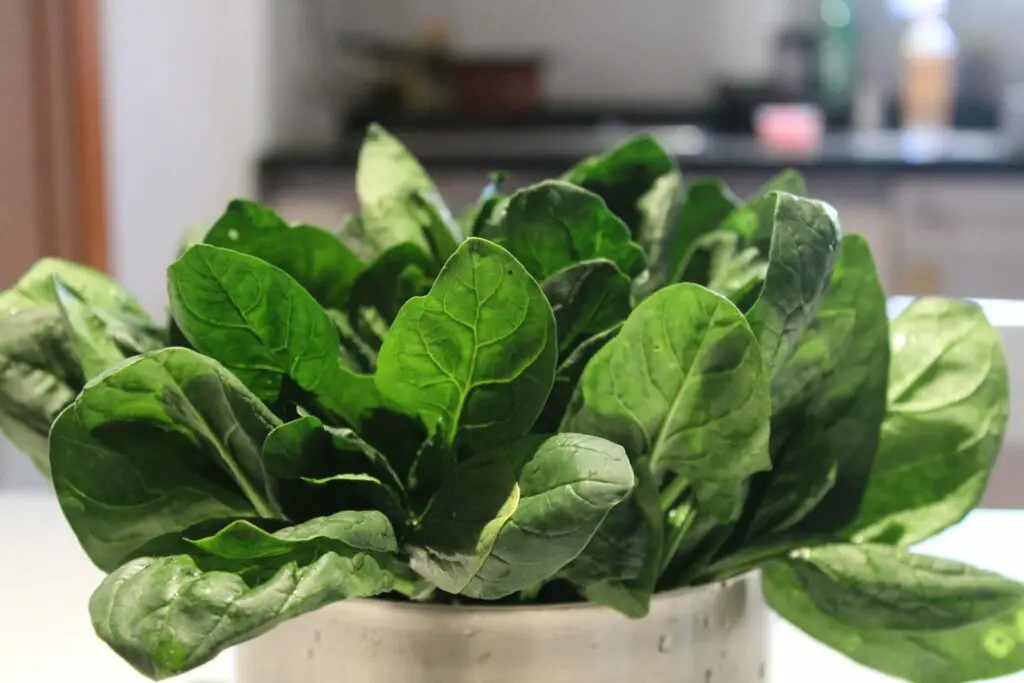 A vibrant bunch of fresh spinach leaves sits on a rustic table, highlighting the link between leafy greens and kidney stones. | Photo by Rens D on Unsplash
Spinach is packed with vitamins and minerals, but it’s also high in oxalates—compounds that can promote kidney stone formation in certain people.
For those predisposed to stones, even a few spinach-packed smoothies in a week can lead to sudden, severe pain or even urinary blockage requiring ER intervention.
Not everyone is at risk, but if you’ve had kidney stones before, proceed with caution.
Read more at the National Kidney Foundation.
3. Kombucha
 A refreshing glass of golden kombucha sits beside a jar of fermented tea, the perfect detox drink to start your day. | Photo by fermentationrecipes.com
Kombucha is often touted for its probiotic benefits, but it’s not without risks. Homemade or over-fermented kombucha can harbor harmful bacteria or excessive acids, leading to stomach pain, nausea, or even dangerous acidosis.
Some of my patients have landed in the ER with electrolyte imbalances or liver concerns after drinking too much kombucha or improperly brewed batches.
See the CDC’s report on kombucha-related illness.
4. Protein Bars
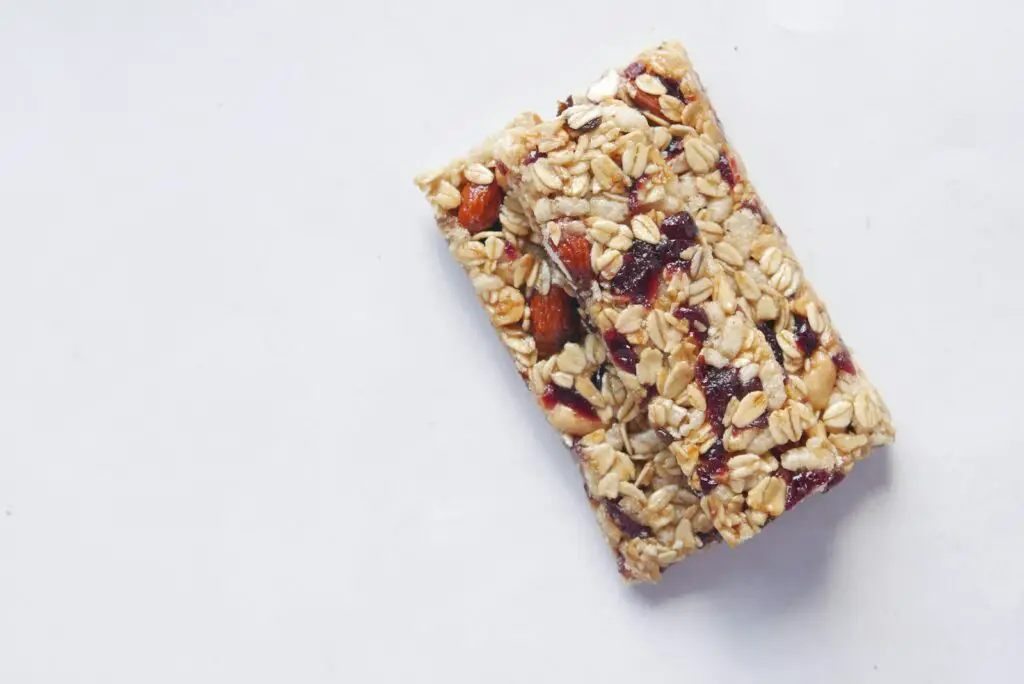 A protein bar rests beside its wrapper, highlighting the detailed nutrition label for a quick, energizing snack. | Photo by Towfiqu barbhuiya on Unsplash
While marketed as a convenient health food, many protein bars are loaded with sugar alcohols and artificial additives. These can trigger significant gastrointestinal distress—cramping, bloating, and even sudden diarrhea are not uncommon reasons for ER visits.
Some bars also contain high levels of sodium, which may worsen blood pressure or heart issues, especially in sensitive individuals.
Harvard Health explores the risks of protein bars.
5. Nut Butters
 A spoonful of creamy peanut butter sits beside an allergy warning label, highlighting nut butter safety concerns. | Photo by foodista.com
Nut butters—like almond, cashew, or peanut—are a staple in many “healthy” diets. But for those with allergies, even trace amounts can spark life-threatening reactions, especially in children.
Hidden ingredients and cross-contamination in processing facilities are common causes of unexpected allergic emergencies landing patients in the ER.
Always check labels carefully and be aware of allergy risks.
Read more at Food Allergy Research & Education.
6. Sushi
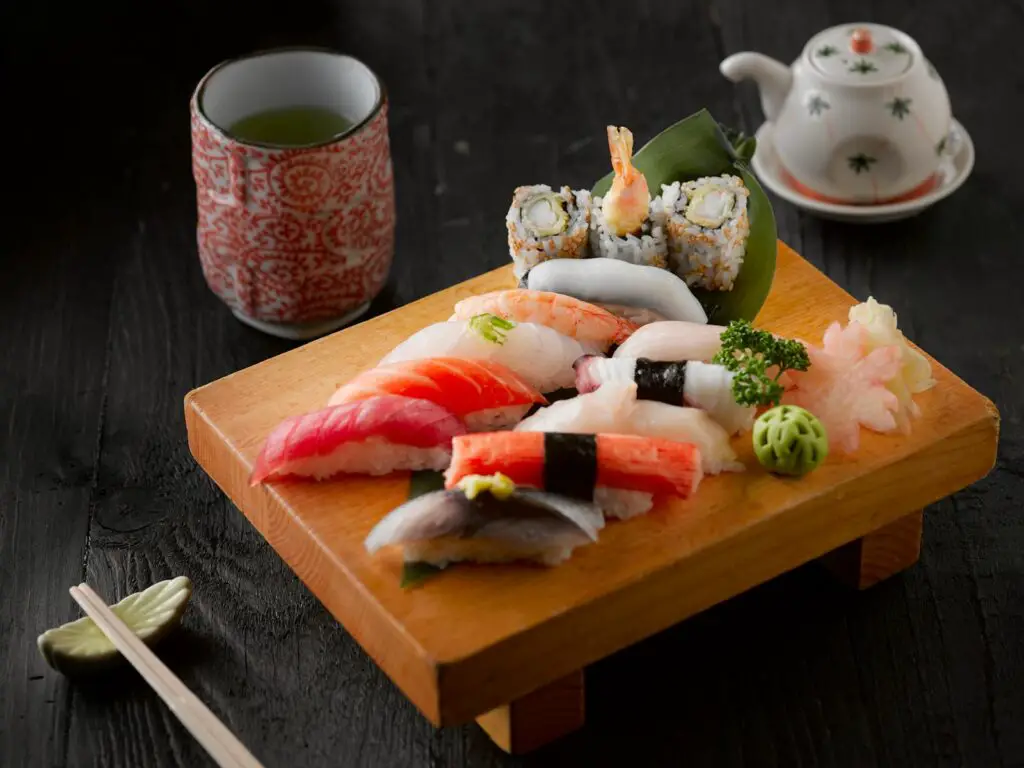 An inviting platter of colorful sushi rolls topped with raw fish, delicious for many but risky for seafood allergies. | Photo by Rajesh TP on Pexels
Sushi is often seen as a clean, healthy meal, but raw fish poses several hidden risks. Parasites and bacteria in undercooked seafood can cause food poisoning or trigger allergic reactions, sometimes requiring urgent medical care.
There’s also the issue of mercury—certain fish used in sushi contain levels unsafe for pregnant people and young children.
Learn more about mercury in fish from the FDA.
7. Greek Yogurt
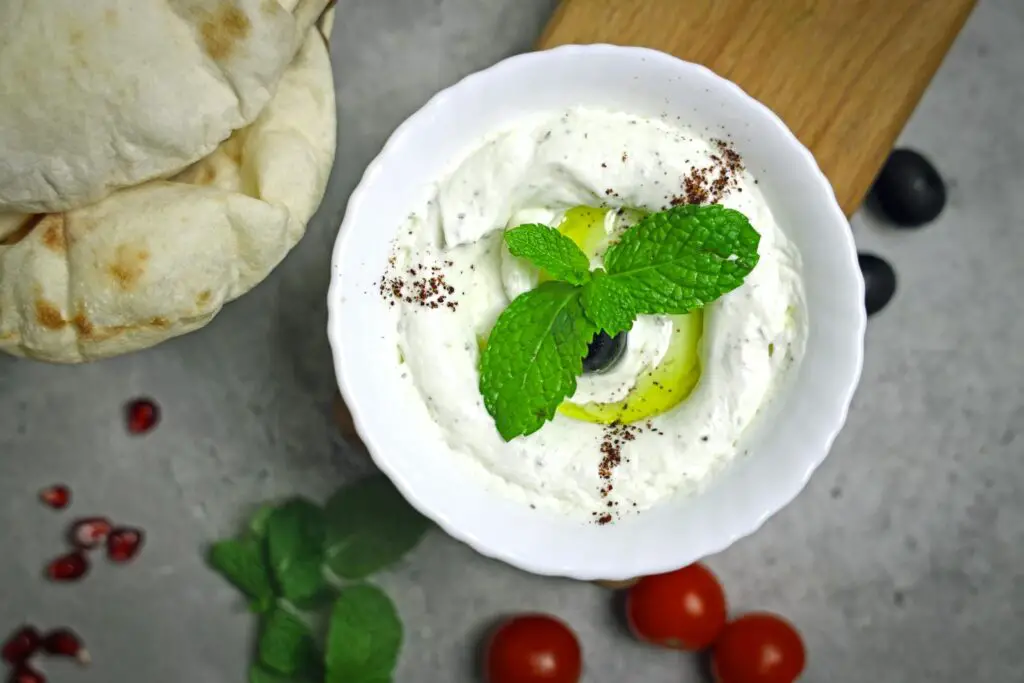 A creamy bowl of Greek yogurt sits beside a carton labeled “lactose-free,” catering to dairy-sensitive diets. | Photo by Shameel mukkath on Pexels
Greek yogurt is celebrated for its protein content, but it still contains lactose. For those with severe lactose intolerance, even a small serving can lead to intense abdominal pain, cramping, and sudden diarrhea.
In some cases, the resulting fluid loss causes dehydration serious enough to require ER treatment, especially in children or older adults.
Cleveland Clinic explains more about lactose intolerance.
8. Quinoa
 A vibrant bowl of cooked quinoa sits on a rustic table, highlighting this superfood as a grain allergy-friendly option. | Photo by carrodecombate.com
Quinoa is a popular superfood, but it naturally contains saponins—compounds that can irritate the digestive tract. If quinoa isn’t thoroughly rinsed before cooking, these saponins may trigger nausea, cramping, or allergic reactions in sensitive individuals.
I’ve seen patients in the ER suffering from severe digestive discomfort after eating unwashed quinoa, thinking they were making a healthy choice.
Learn more about quinoa side effects at Healthline.
9. Celery
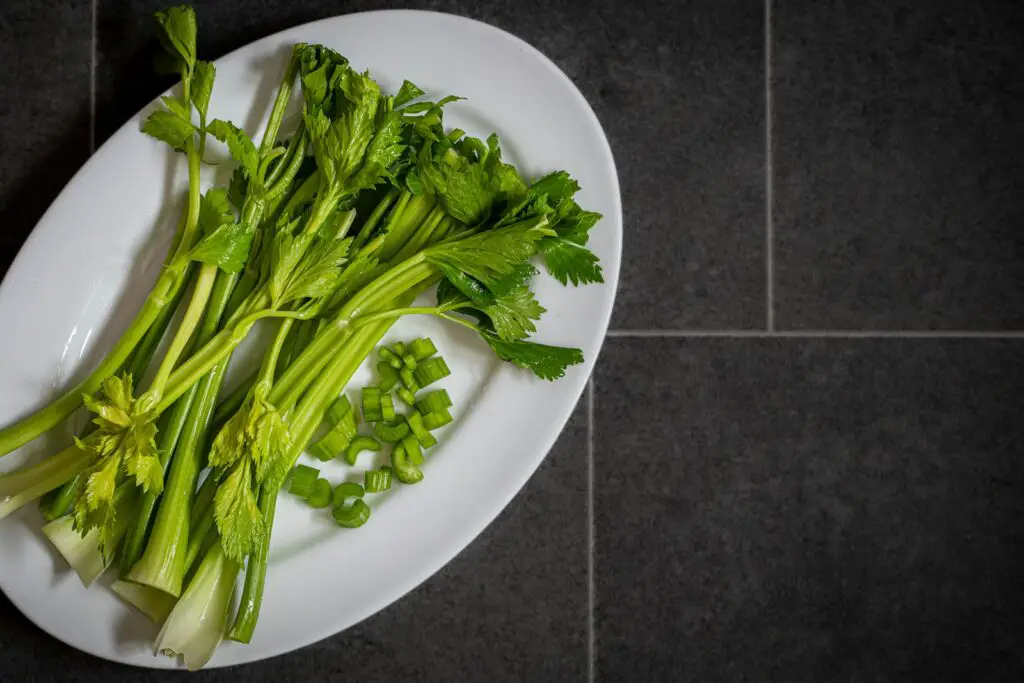 A glass of fresh celery juice sits beside crisp celery stalks, highlighting a common vegetable allergy concern. | Photo by Monika Borys on Unsplash
Celery might seem harmless, but it’s a surprisingly common cause of severe allergic reactions, including anaphylaxis. People with pollen allergies are especially at risk due to cross-reactivity.
What’s tricky is that celery is often hidden in green juices and salads, so patients may not realize what triggered their reaction until they’re already in distress.
Read more about celery allergy from EAACI.
10. Brown Rice
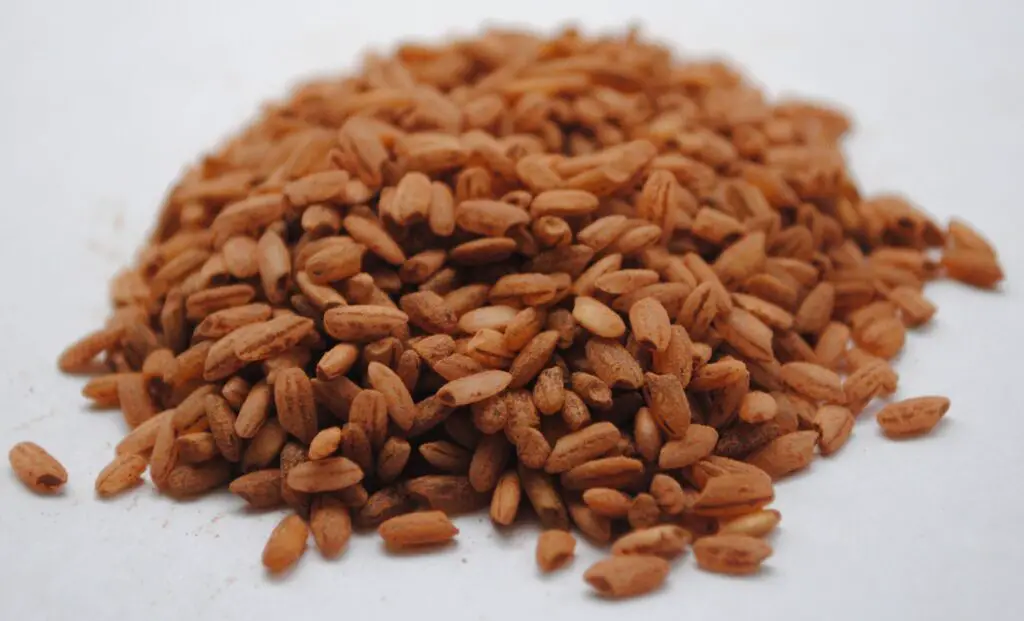 A bowl of hearty brown rice sits beside a selection of whole grains, highlighting concerns about arsenic content. | Photo by David Gabrielyan on Unsplash
Brown rice is often chosen for its fiber and nutrients, but it can also contain higher levels of arsenic than white rice. Over time, this naturally occurring toxin can accumulate in the body, especially in children and pregnant individuals, leading to potential arsenic toxicity.
There have been cases of chronic exposure causing concerning symptoms that lead families to seek emergency care.
Consumer Reports details the risks of arsenic in rice.
11. Kale
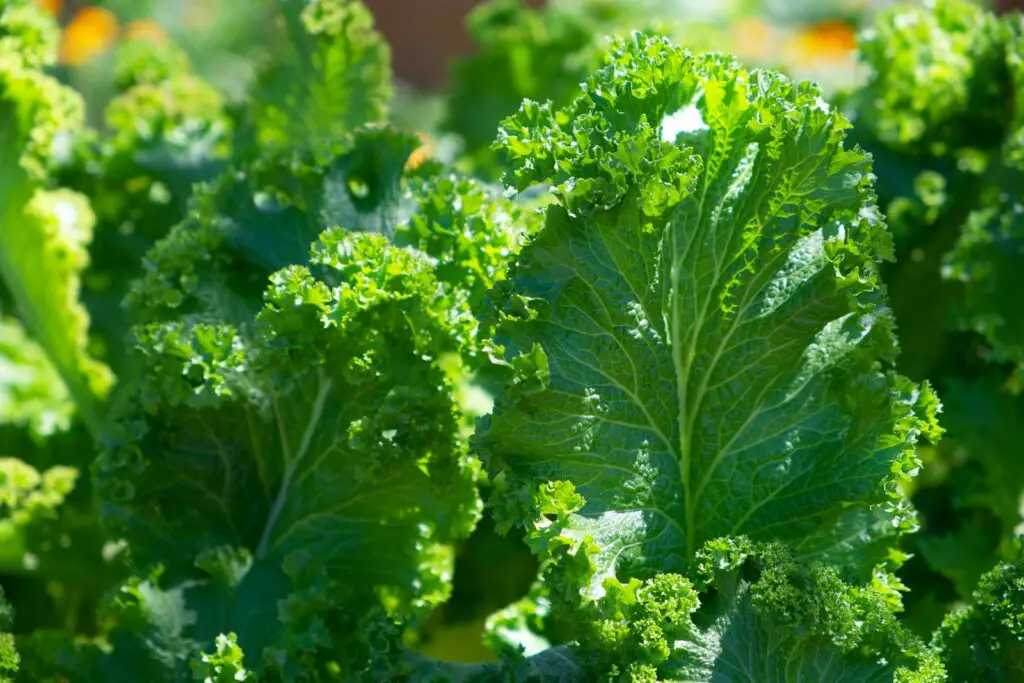 A vibrant bunch of fresh kale leaves showcases the rich green color and vitamin K power of leafy vegetables. | Photo by Brian McGowan on Unsplash
Kale’s reputation as a superfood is well earned, but its high vitamin K content can pose a real danger for individuals taking blood thinners like warfarin. Vitamin K plays a major role in blood clotting, so eating too much kale can interfere with medication and lead to serious complications, including blood clots or uncontrolled bleeding.
I’ve seen patients arrive in the ER with unexpected symptoms after ramping up their kale intake.
Harvard Health explains the risks of vitamin K and blood thinners.
12. Chia Seeds
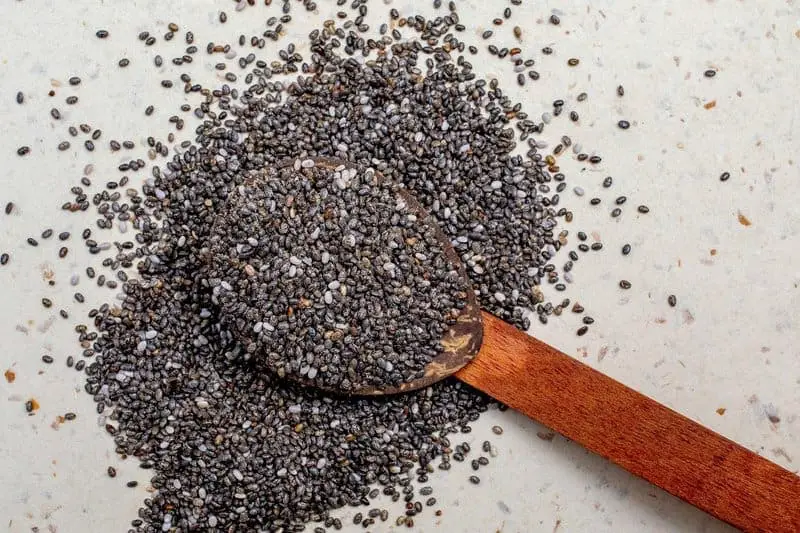 A spoonful of swollen chia seeds sits in a glass of water, highlighting their superfood status and potential risks. | Photo by Jubair Bin Iqbal on Pexels
Chia seeds are popular for their fiber and omega-3s, but they can be dangerous if eaten dry. When consumed without adequate liquid, chia seeds rapidly absorb water and expand, potentially causing an esophageal blockage.
I’ve treated patients who experienced painful swallowing or even complete obstruction, sometimes requiring emergency intervention to remove the seeds.
Always let chia seeds fully hydrate before eating.
Read more at the National Institutes of Health.
13. Avocado
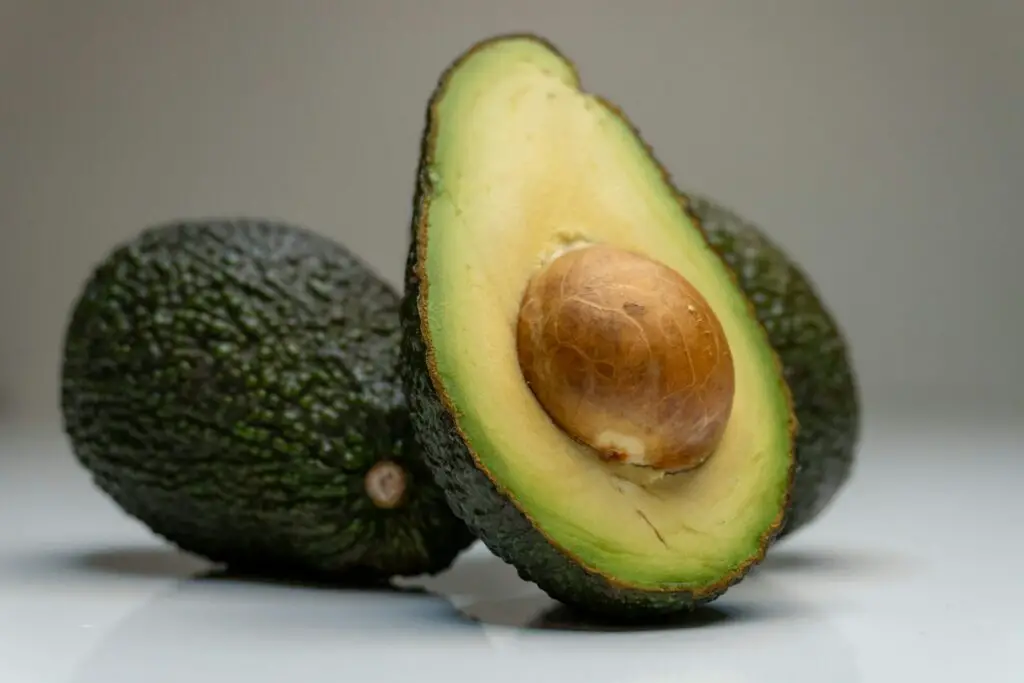 A half-sliced avocado rests on a kitchen counter beside a bandaged hand and a warning sign about fruit allergies. | Photo by John Vid on Unsplash
Avocado is celebrated for its healthy fats, but it’s not without hazards. Some people are allergic to persin, a natural compound in avocados, which can trigger allergic reactions ranging from mild itching to severe swelling.
Another common ER visit? “Avocado hand”—deep cuts sustained while slicing or pitting the slippery fruit.
Always use caution and proper technique when preparing avocados.
BBC News covers the rise of “avocado hand” injuries.
14. Soy Milk
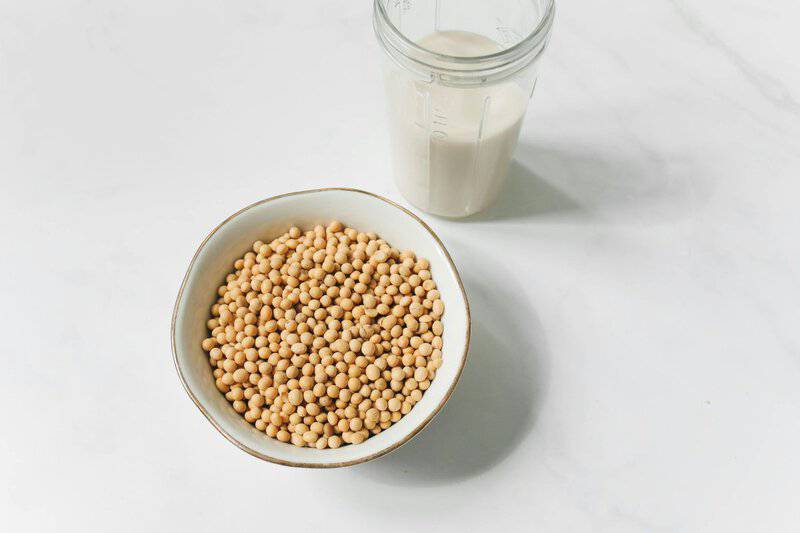 A glass of creamy soy milk sits beside whole soybeans, highlighting a popular plant-based option for those without soy allergies. | Photo by Polina Tankilevitch on Pexels
Soy milk is a popular dairy alternative, but soy is one of the top food allergens—especially among children. Allergic reactions can range from mild hives and swelling to full-blown anaphylaxis, a life-threatening emergency.
Soy-based products, including soy milk, are frequent culprits behind ER visits for unexpected allergic reactions.
Check ingredient lists carefully if you or your child has any history of food allergies.
Read more at the American College of Allergy, Asthma & Immunology.
15. Oat Milk
 A glass of creamy oat milk sits beside a bowl of oats, highlighting a gluten-free, plant-based milk alternative. | Photo by Livilla Latini on Pexels
Oat milk is often marketed as a safe, healthy alternative for those avoiding dairy, but not all brands are gluten-free. Cross-contamination with gluten is a real risk, especially for those with celiac disease.
Ingesting even trace amounts can lead to severe digestive distress, dehydration, and ER visits in sensitive individuals.
Always check labels for certified gluten-free status if you have gluten intolerance or celiac disease.
Celiac Disease Foundation explains more.
16. Dark Chocolate
 A hand reaches for a rich dark chocolate bar beside a steaming coffee cup, hinting at caffeine’s effect on the heart. | Photo by Elena Leya on Unsplash
Dark chocolate is often seen as a guilt-free treat, thanks to its antioxidants. However, it’s also high in caffeine and theobromine, stimulants that can cause rapid heartbeat, palpitations, or even dangerous arrhythmias in sensitive individuals.
I’ve cared for patients who developed alarming heart symptoms after overindulging in dark chocolate, especially those with underlying heart conditions.
Moderation is key—even with the healthiest chocolate.
Cleveland Clinic shares more on chocolate overconsumption.
17. Coconut Water
 A refreshing glass of coconut water sits beside a halved coconut, highlighting its rich potassium and hydrating benefits. | Photo by Bruno Curly on Pexels
Coconut water is marketed as a natural way to replenish electrolytes, but it’s particularly high in potassium. For people with kidney problems or those on certain medications, drinking too much can lead to hyperkalemia—dangerously high potassium levels.
Symptoms include muscle weakness, irregular heartbeat, and in severe cases, life-threatening heart rhythm disturbances that warrant an ER visit.
Harvard Health discusses the risks of coconut water.
18. Granola
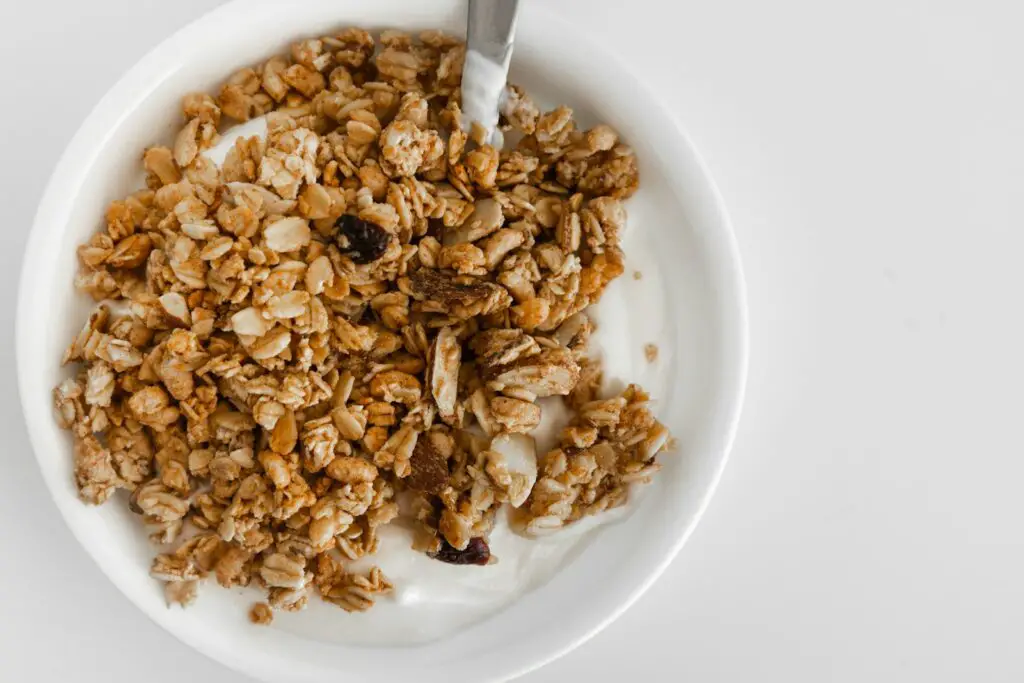 A bowl of golden granola clusters served with milk, highlighting a delicious breakfast option with added sugar. | Photo by Unsplash
Granola is frequently advertised as a health food, but many varieties are packed with added sugars and unhealthy fats. For those sensitive to sugar, this can cause blood sugar spikes, crashes, or even digestive discomfort.
I’ve seen patients in the ER with symptoms ranging from stomach upset to dizziness, often surprised that their “healthy” breakfast was the culprit.
Always check nutrition labels to avoid hidden pitfalls in seemingly wholesome foods.
Medical News Today discusses granola’s hidden risks.
19. Raw Honey
 A glass jar of golden raw honey glistens beside a wooden dipper, highlighting nature’s sweetener and a botulism warning tag. | Photo by Adonyi Gábor on Pexels
Raw honey is often viewed as a natural sweetener, but it can harbor botulism spores. This poses a significant risk to infants under one year old and those with weakened immune systems.
Cases of foodborne illness and severe complications have led to ER visits after raw honey consumption in these vulnerable groups.
Remember, pasteurized honey is safer for most—but never give raw honey to babies.
CDC explains the dangers of honey for infants.
20. Edamame
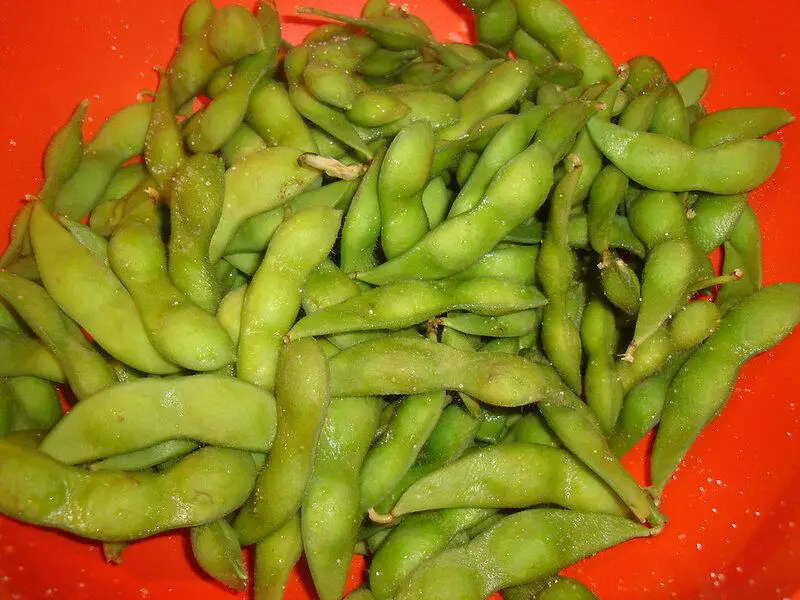 A bowl of vibrant green edamame pods highlights this popular legume, a potential concern for those with soy allergies. | Photo by Openverse
Edamame—those tasty, steamed soybeans—are a favorite snack for many health-conscious eaters. However, soy is a major allergen, and edamame can trigger severe reactions like swelling of the lips, tongue, or throat and difficulty breathing.
These symptoms can escalate quickly, often requiring prompt emergency treatment.
If you or your child have a known soy allergy, it’s essential to avoid edamame and always check ingredient lists.
Food Allergy Research & Education explains more about soy allergies.
21. Popcorn
 A bowl of fluffy popcorn sits on a table, reminding snack lovers to watch out for potential choking hazards. | Photo by Georgia Vagim on Unsplash
Popcorn is a favorite snack at movie night, but it’s not without risks. Unpopped kernels are a well-known choking hazard, especially for young children, often resulting in frightening ER visits.
Even air-popped popcorn, while seemingly harmless, can occasionally cause gastrointestinal blockages if large amounts are eaten quickly or without enough water.
Always supervise kids with popcorn and be mindful of portion sizes.
American Academy of Pediatrics shares choking prevention tips.
22. Tomatoes
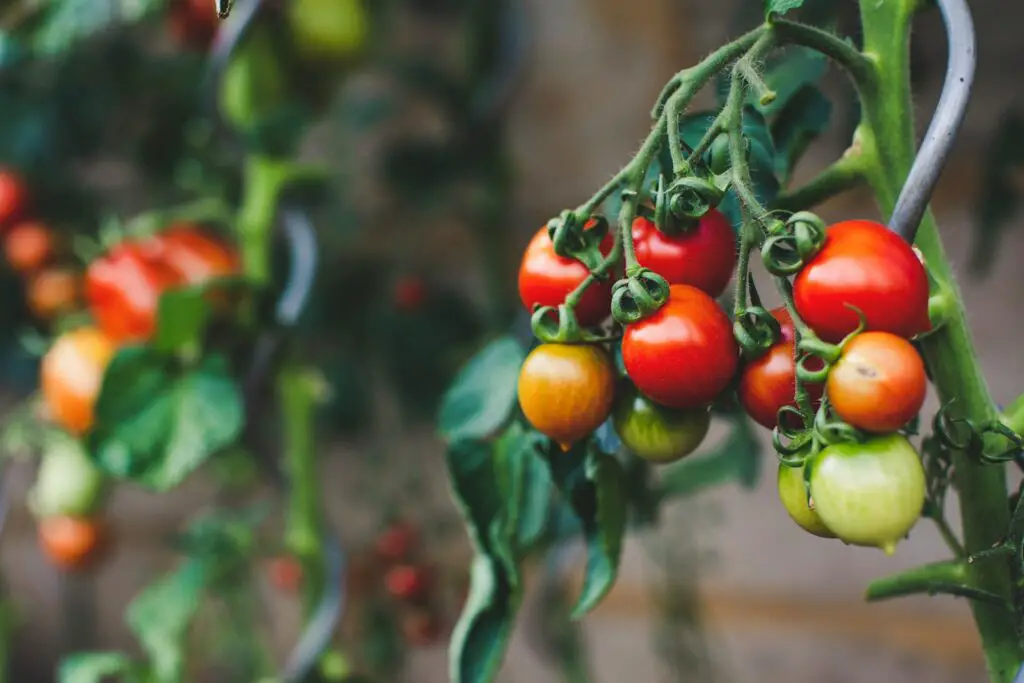 A ripe tomato sliced open on a plate, symbolizing its role in common food allergies and triggering acid reflux. | Photo by Markus Spiske on Unsplash
Tomatoes are a staple in many healthy dishes, but they’re also rich in histamines, which can trigger allergic reactions in sensitive individuals. For others, the acidity of tomatoes can worsen acid reflux, sometimes causing severe chest pain that mimics heart trouble and leads to ER visits.
If you experience unexplained allergy symptoms or intense heartburn after eating tomatoes, it’s worth discussing with your doctor.
Healthline explores tomato allergies and sensitivities.
23. Berries
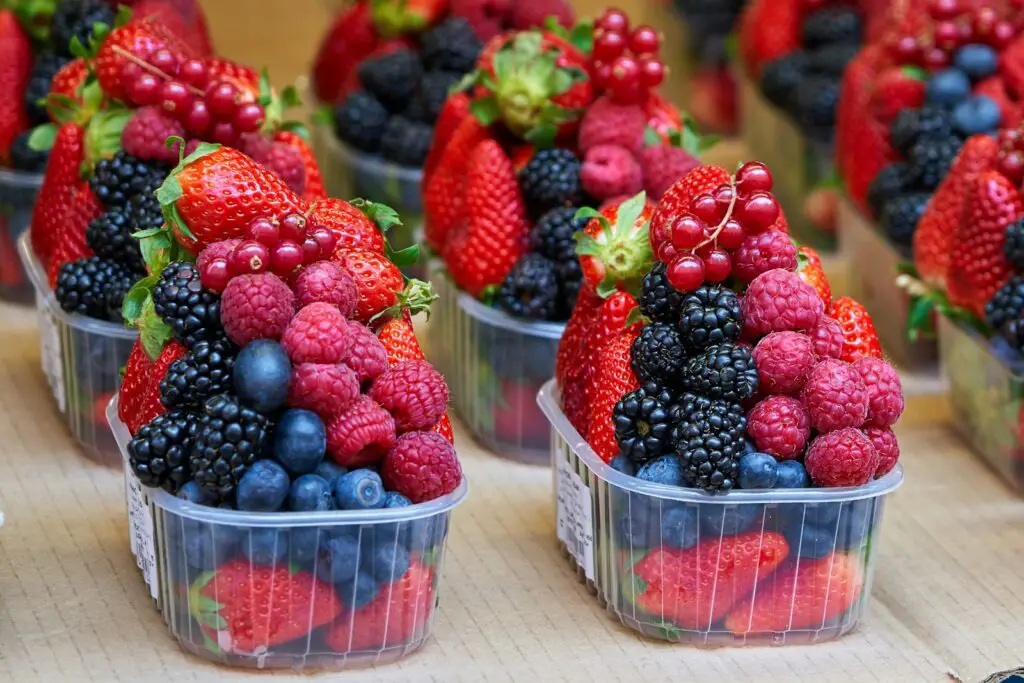 A bowl of fresh, juicy strawberries sits on the table, accompanied by a warning sign for food allergies. | Photo by Timo Volz on Unsplash
Berries like strawberries, raspberries, and blackberries are beloved for their antioxidants, but they’re also common food allergens. Reactions can range from mild hives and swelling to severe anaphylaxis, especially in children.
Small seeds in some berries present an added choking risk for young kids, making them a double concern in the ER.
Introduce berries cautiously and watch for any unusual symptoms.
Learn more about berry allergies from AAAAI.
24. Herbal Teas
 A soothing cup of herbal tea sits beside dried licorice root, highlighting the power of natural remedies. | Photo by Yan Krukau on Pexels
Herbal teas are often seen as a soothing, healthy choice, but certain ingredients can be risky. Licorice root can cause dangerous heart arrhythmias, while comfrey has been linked to liver toxicity.
These effects are especially concerning for those on medications or with existing health conditions, and I’ve seen patients experience unexpected reactions after sipping “natural” teas.
Always check the ingredient list and consult your doctor if you’re unsure.
See the National Center for Complementary and Integrative Health for more info.
Conclusion
 A doctor discusses healthy eating tips with a patient in a bright hospital room, highlighting nutritious food choices. | Photo by MART PRODUCTION on Pexels
Choosing healthy foods is important, but even the most wholesome options can carry unexpected risks depending on your unique health profile.
Staying informed, reading labels, and understanding your body’s needs are key to avoiding a trip to the ER over well-intentioned choices.
If you have allergies, chronic conditions, or are introducing new foods, consult a healthcare professional before making big changes to your diet. Personalized nutrition is the safest path to true wellness.
Disclaimer
 A bold health warning appears on screen as a doctor consults with a patient, emphasizing the importance of medical advice. | Photo by MART PRODUCTION on Pexels
This article is for informational purposes only and not a substitute for professional medical advice or treatment. If you have health concerns or dietary questions, please consult your doctor.

Vielleicht interessiert es Sie:
12 Over-The-Top Absolute Units That Will Take Your Breath Away! 🌟
12 Unforgettable Absolute Units That Will Amaze You! 🌟
20 Extraordinary Beasts That Challenge Our Definition of Big! 🦙
8 Crazy Massive Oddities That Prove Size Matters! 🌍🚀
14 Massive Oddities That Will Challenge Your Perception of Size! 🔍
12 Giant Beasts that Redefine Size Expectations! 🦁
12 Massive Oddities That Will Change Your Perception of Size! 🐻😲
19 Monstrous Marvels That Challenge Your Perception of Size! 🦙🔍