
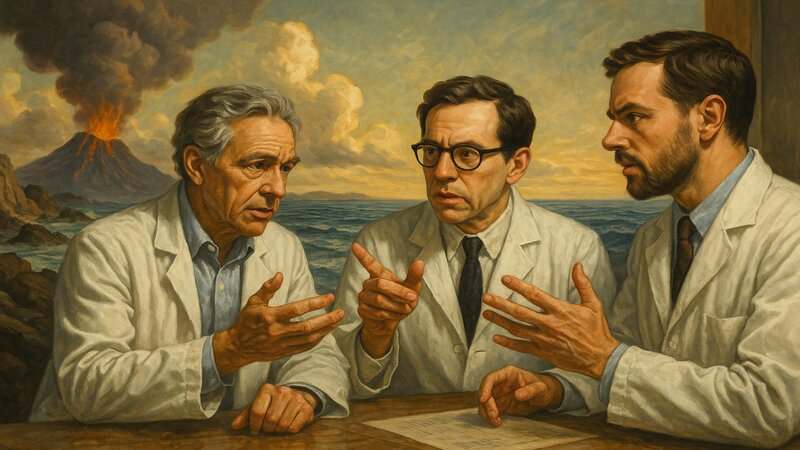
For decades, the question of how life first emerged on Earth has stirred passionate debate among scientists. Now, groundbreaking discoveries and fresh perspectives are shaking the foundations of our long-held beliefs. Recent experiments and analyses challenge classic theories, suggesting that the story of life’s beginnings may be far more complex—and surprising—than we ever imagined.As new evidence emerges, researchers are calling for a radical reevaluation of the origin of life, opening the door to unexpected possibilities and new lines of inquiry that could fundamentally rewrite our understanding of existence itself.
Rethinking the Primordial Soup Theory
 [Photo by Eclipse Chasers on Pexels]Keep WatchingRussia pushes ‘Made in Moscow’ Fashion Week amid western isolation and ongoing warKeep WatchingRussia pushes ‘Made in Moscow’ Fashion Week amid western isolation and ongoing war00:00/00:54
The classic primordial soup theory, popularized by Stanley Miller’s famous 1953 experiment, suggested that life sprang from a rich mix of chemicals in Earth’s early oceans. Miller’s work showed that amino acids, the building blocks of life, could form under simulated early-Earth conditions. However, recent research has raised doubts about whether this “soup” was truly sufficient or even present in the way we once imagined. Some scientists now argue that the environment and chemistry required may have been far more complex, prompting fresh scrutiny of this long-standing idea.
The Hydrothermal Vent Hypothesis Gains Steam
 [Photo by Francesco Ungaro on Pexels]
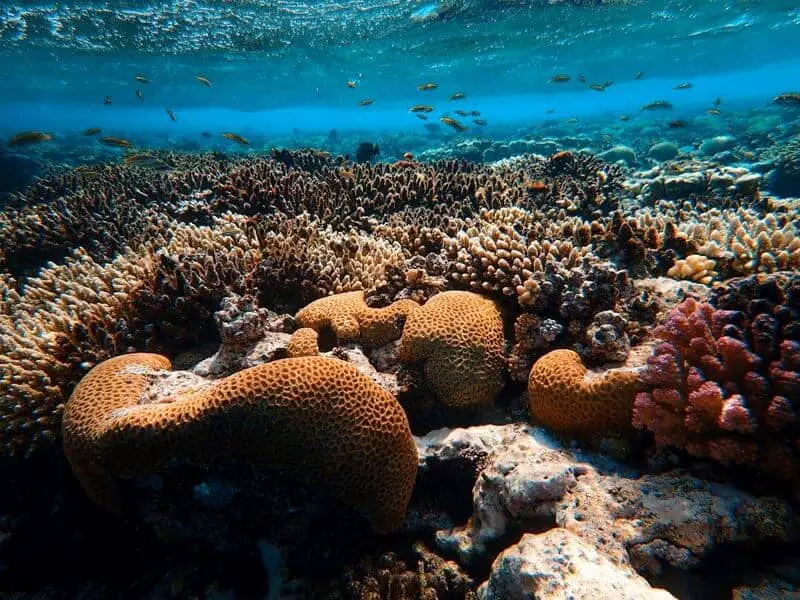
In recent years, the hydrothermal vent hypothesis has captured the imagination of many researchers. Deep beneath the ocean’s surface, vents spew mineral-rich fluids and support thriving, unusual microbial communities. Scientists now believe these vents could have provided the ideal conditions for life’s first sparks. The chemical gradients found at these sites offer a natural source of energy, potentially fueling the formation of complex organic molecules.
The Role of Lightning and Volcanic Activity
 [Photo by Rostislav Uzunov on Pexels]
Alongside ocean-based theories, some scientists point to lightning strikes and volcanic eruptions as powerful forces in the early chemistry of Earth. Laboratory simulations that mimic the early Earth have shown that electrical discharges, similar to lightning, can transform simple gases into amino acids and other organic molecules. Similarly, volcanic activity released heat and minerals, creating dynamic environments ripe for chemical reactions. These energetic processes may have played a crucial role in assembling the molecular building blocks of life.
Alien Origins: The Panspermia Hypothesis
 [Photo by Nate Biddle on Pexels]
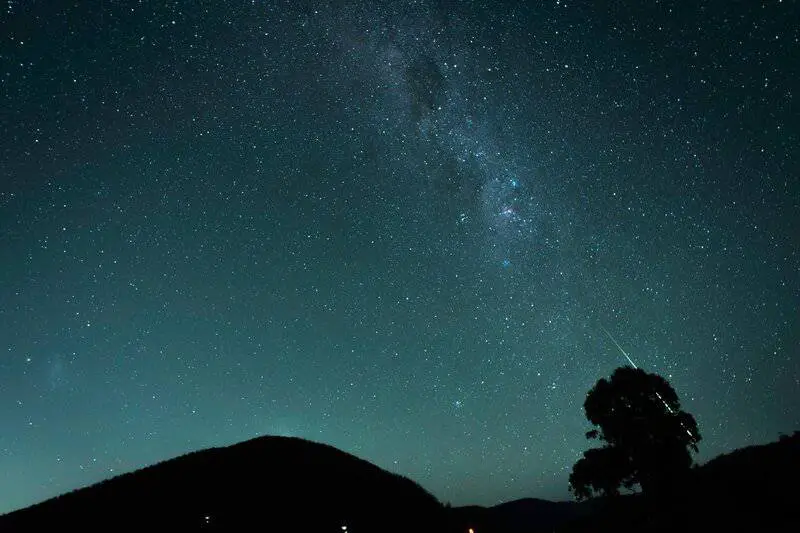
Among the most provocative ideas is the panspermia hypothesis, which suggests that life—or at least its essential ingredients-may have arrived on Earth from outer space. Some researchers point to the discovery of amino acids and organic compounds on meteorites as tantalizing evidence that these building blocks exist beyond our planet. While panspermia doesn’t answer how life began, it raises the possibility that Earth’s first organisms may have hitched a ride on comets or space dust.
RNA World: Was RNA the First Molecule of Life?
 [Photo by Marek Piwnicki on Pexels]
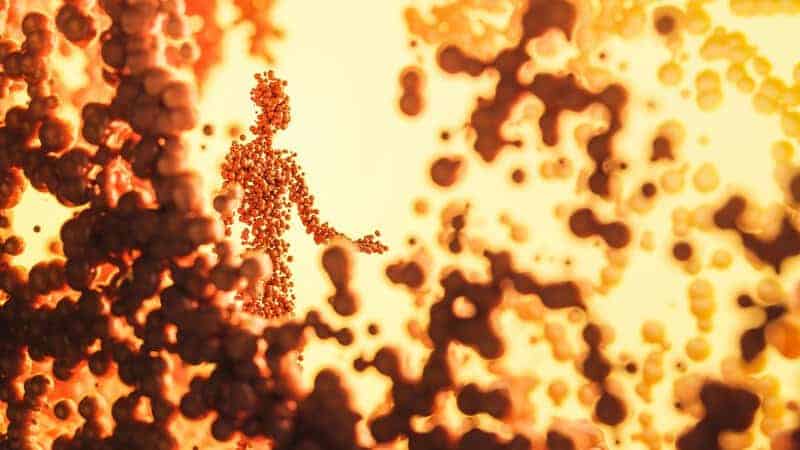
Another influential idea is the RNA world hypothesis, which proposes that life originated with self-replicating RNA molecules before DNA and proteins emerged as dominant players. Unlike DNA, RNA can both store genetic information and catalyze chemical reactions, making it a compelling candidate for the earliest systems of life. Researchers have made significant strides in the lab, creating RNA molecules that can copy themselves under certain conditions. These experiments inch us closer to understanding how such a world may have existed.
Clay Minerals as Life’s Cradle
 [Photo by Vin Aug on Pexels]
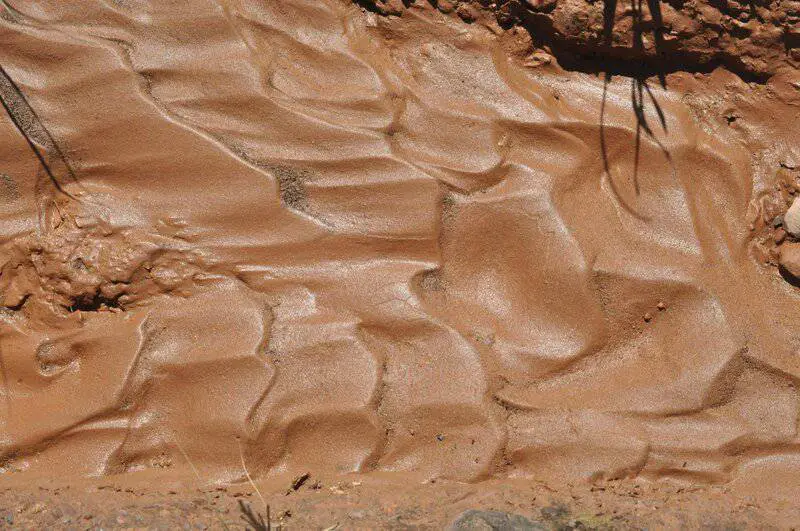
Some researchers propose that clay minerals played a pivotal role in the origins of life by serving as natural laboratories for early chemistry. The surfaces of certain clays can attract, concentrate, and organize organic molecules, thereby increasing the likelihood of complex reactions. Laboratory experiments have demonstrated that clay can facilitate the formation of RNA-like chains and other crucial biomolecules. This theory highlights the potential for humble minerals to play a vital role in the earliest stages of life.
Ice as an Incubator
 [Photo by Mikhail Nilov on Pexels]
Surprisingly, ice may have provided a safe haven for the first chemical steps of life. Studies suggest that frozen environments can shield delicate biomolecules from destructive radiation, preventing them from breaking down too quickly. In fact, the unique structure of ice can even speed up essential chemical reactions by crowding molecules together. This opens up the intriguing possibility that early Earth’s icy regions—or even frozen moons elsewhere—could have served as incubators for the emergence of life.
The Importance of Chirality
 Colorful molecular models illustrate the unique structure of chiral molecules, highlighting the left-handed form of amino acids. | Photo by Tara Winstead on Pexels
One of life’s most intriguing mysteries is chirality, or “handedness,” where molecules exist in left- and right-handed forms but living organisms almost exclusively use one type. Scientists have long pondered how this preference emerged from a prebiotic world that should have produced equal amounts of both. Laboratory experiments show that certain conditions can favor one chiral form over another, but the exact process remains elusive. Understanding how chirality arose is key to unraveling the earliest steps of life’s unique chemistry.
UV Light and Chemical Evolution
 [Photo by Pixabay on Pexels]
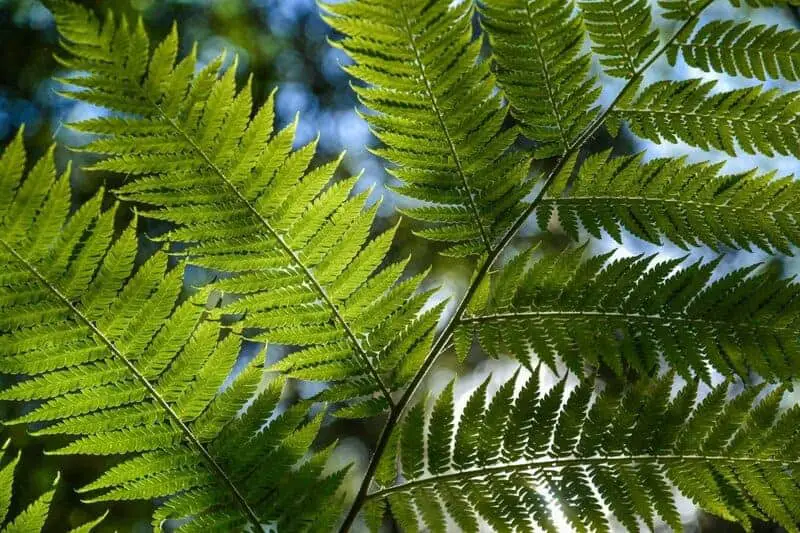
The role of ultraviolet (UV) light in shaping the origin of life is gaining renewed interest. On early Earth, intense UV radiation from the young Sun bathed the planet, sparking powerful chemical reactions in the atmosphere and on land. Recent laboratory experiments show that UV light can help assemble complex organic molecules from simpler building blocks, acting as a natural catalyst. These findings suggest that sunlight itself may have been a critical driver in life’s chemical evolution.
Microbes Thriving in Extreme Environments
 [Photo by Felicia McDonnell on Pexels]
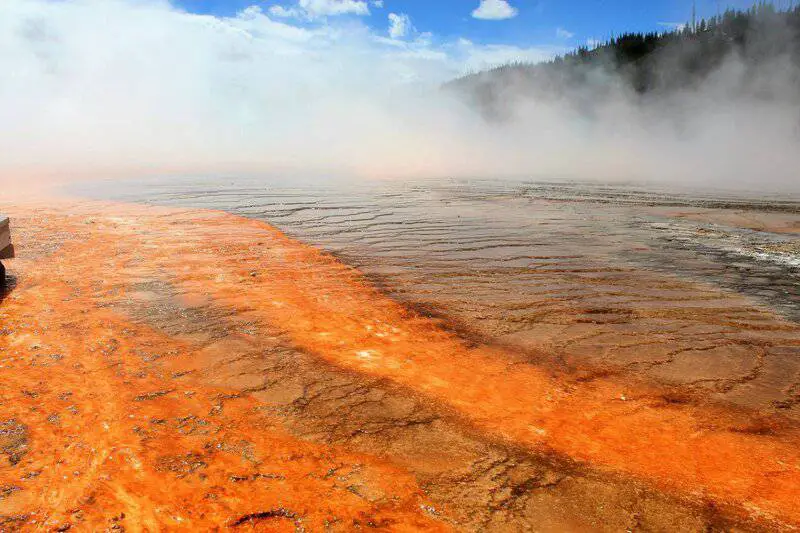
One of the most exciting developments in origin-of-life research is the discovery of extremophiles—microbes that thrive in boiling hot springs, acidic lakes, and deep-sea vents. These resilient organisms serve as living analogs for the earliest life forms, showing that life can adapt to astonishingly harsh conditions. The study of extremophiles has dramatically expanded scientists’ understanding of where and how life could arise, both on Earth and on other worlds with extreme environments.
Deep-Sea Alkaline Vents: An Energy Source?
 [Photo by Landiva Weber on Pexels]
Alkaline hydrothermal vents deep beneath the ocean’s surface have emerged as intriguing candidates for life’s birthplace. These vents create proton gradients—differences in chemical concentration—that could have powered the first primitive metabolic reactions. Remarkably, modern cells utilize similar gradients to generate energy, suggesting a possible ancient connection. The unique chemistry at these sites may have provided both the raw materials and the energy necessary for life to begin.
Self-Organizing Chemical Systems
 [Photo by Google DeepMind on Pexels]
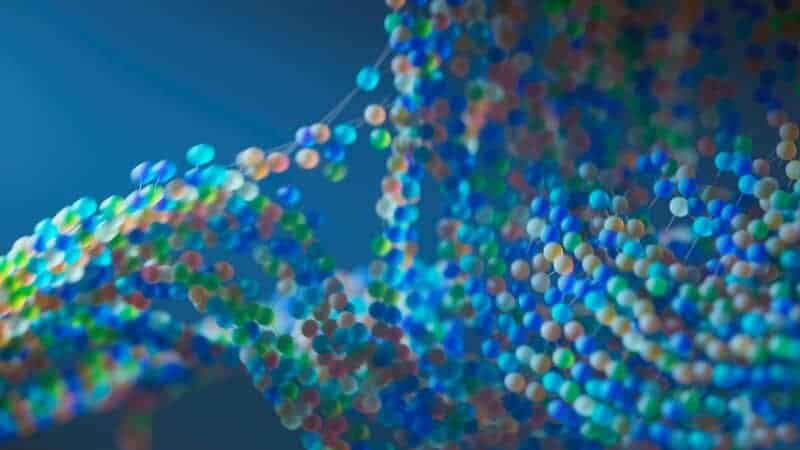
Fascinatingly, some scientists believe that life’s origin may have hinged on self-organizing chemical systems. In both natural “chemical gardens” and laboratory settings, simple molecules have been observed spontaneously assembling into intricate, organized structures. These self-assembling processes can mimic features of living cells, such as compartmentalization and selective barriers. This line of research suggests that, under the right conditions, chemistry itself can drive increasing complexity, potentially bridging the gap from nonliving matter to the first living systems.
The Role of Lipid Membranes
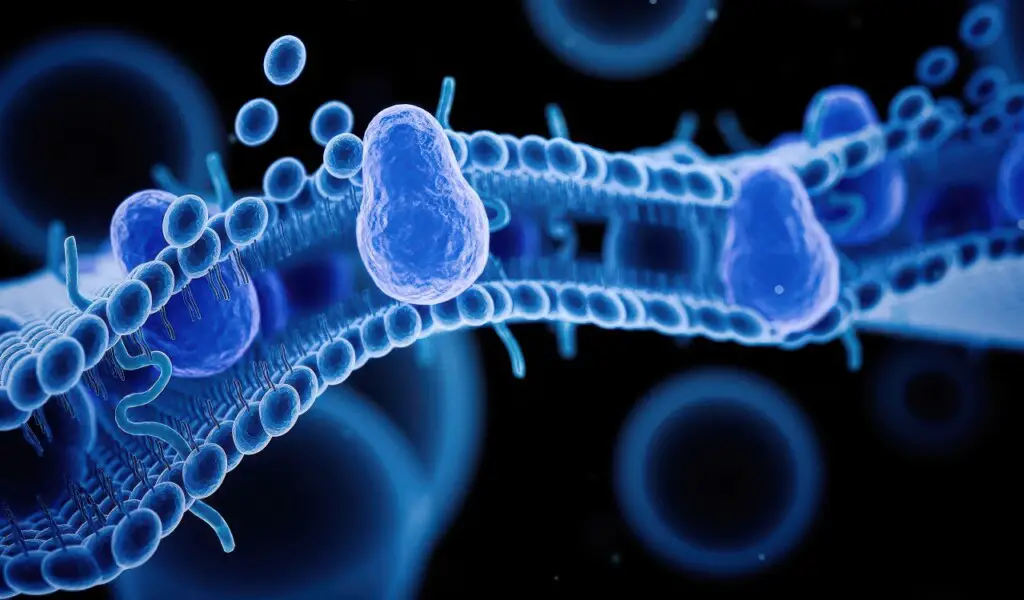 [Photo By: Biolin Scientific]
A key step in the development of life may have been the spontaneous formation of lipid membranes. Experiments have shown that simple fatty acids can naturally assemble into bubbles or vesicles, creating compartments that resemble the membranes of primitive cells. These structures can trap molecules inside, offering a protected space for chemical reactions to occur and potentially setting the stage for more complex life processes. This ability to form cell-like boundaries is considered vital in the transition from chemistry to biology.
Meteorites and Organic Molecules
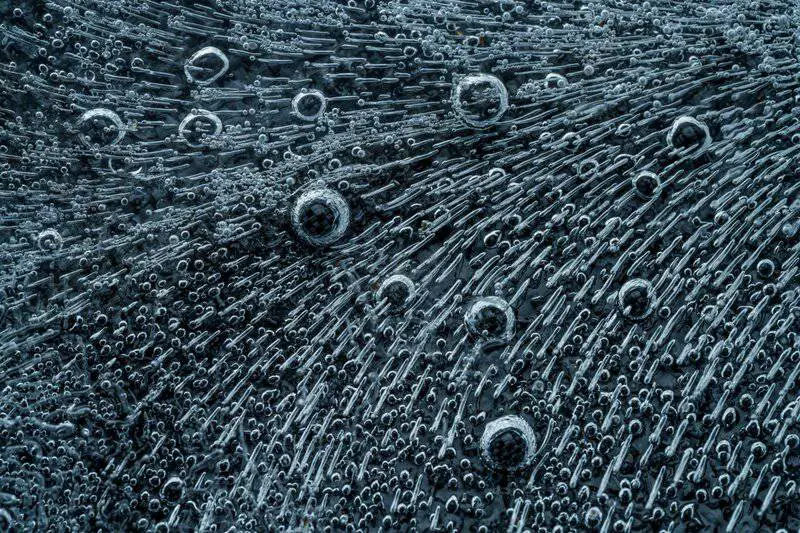 [Photo by Skyler Ewing on Pexels]
Recent discoveries have revealed that meteorites can carry amino acids and other organic molecules, providing compelling evidence for extraterrestrial delivery of life’s building blocks. Notably, NASA’s OSIRIS-REx mission confirmed the presence of carbon and water in samples from asteroid Bennu. These findings suggest that key ingredients for life may have arrived on early Earth via space rocks, enriching the planet’s chemistry and possibly jump-starting biological processes.
The Iron-Sulfur World Hypothesis
 [Photo By: Kaboompics.com on Pexels]
The iron-sulfur world hypothesis proposes that life’s earliest chemistry occurred on the surfaces of iron and sulfur minerals. These minerals, abundant at deep-sea hydrothermal vents, can act as natural catalysts, driving reactions that produce organic molecules essential for life. This theory closely connects with vent-based origin models, proposing that mineral surfaces played a crucial role in concentrating reactants and facilitating increasingly complex processes.
The Importance of Water
 [Photo by Oswald Tenorio on Pexels]
Water’s remarkable properties make it the perfect medium for life’s chemistry. As a universal solvent, water enables molecules to mix, react, and move freely, which is critical for forming complex structures. Its ability to moderate temperature also helps stabilize delicate reactions, providing a consistent environment for life to thrive. While some theories speculate about life emerging in water-poor or alternative solvent environments, Earth’s abundance of water seems especially ideal.
Silicon-Based Life: Fact or Fiction?
 [Photo by Thirdman on Pexels]
Some scientists—and plenty of science fiction—have speculated about the possibility of silicon-based life. While silicon is chemically similar to carbon, carbon’s versatility and ability to form stable, complex molecules make it the foundation of life as we know it. Silicon-based life remains hypothetical, as silicon compounds are generally less flexible and less stable in water. Still, the idea invites us to imagine life forms radically different from our own.
The Role of Phosphorus
 [Photo by Marcus Lange on Pexels]
Phosphorus is indispensable for life, forming the backbone of DNA and powering cells through energy carriers like ATP. However, researchers have long debated the accessibility of phosphorus on the early Earth, given that many phosphorus minerals are relatively insoluble. Recent discoveries of phosphorus-rich minerals and new chemical pathways offer hope that this essential element was available in usable forms when life first emerged. Understanding the role and sources of phosphorus is crucial for piecing together the earliest molecular machinery of life.
Prebiotic Chemistry in Space
 [Photo by Daniel Cid on Pexels]
Fascinating discoveries have revealed that organic molecules, including amino acids and simple sugars, exist in interstellar clouds and on comets. These findings suggest that the building blocks of life are not unique to Earth but could be scattered throughout the universe. Observations from telescopes and space probes support the idea that prebiotic chemistry is an ongoing process in space, increasing the likelihood that life’s essential ingredients are widespread.
The ‘Warm Little Pond’ Hypothesis
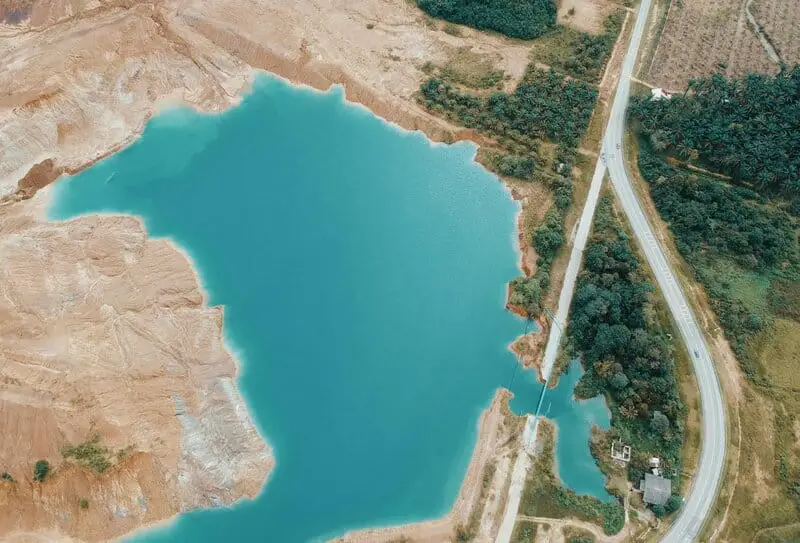 [Photo by Pok Rie on Pexels]
Charles Darwin famously imagined that life could have originated in a warm, little pond rich in organic compounds and energy sources. Recent experiments lend support to this idea, demonstrating that cycles of wetting and drying in small ponds can facilitate the formation of complex molecules, such as RNA. This scenario suggests that Earth’s shallow water bodies may have been ideal incubators for early life, providing both the necessary ingredients and the environmental conditions required for chemical evolution.
The Impact of Planetary Bombardment
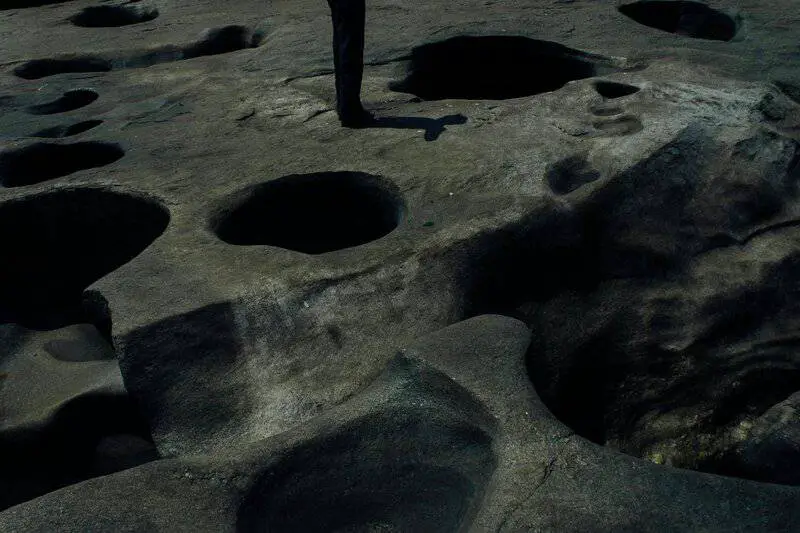 [Photo by Plato Terentev on Pexels]
During Earth’s turbulent early history, asteroid and comet impacts played a dual role in the emergence of life. On one hand, these massive collisions could have sterilized the planet’s surface, periodically wiping out nascent life. On the other hand, they may have delivered vital organic molecules and water, enriching the planet’s chemistry. This cycle of destruction and delivery likely influenced both the timing and the environmental conditions in which life first took hold.
The Mystery of the First Replicators
 [Photo by Artem Podrez on Pexels]
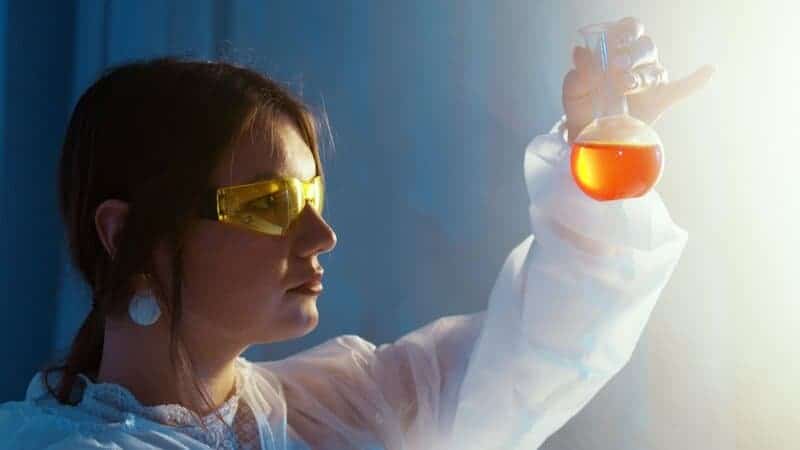
One of the most profound puzzles in origin-of-life research is how the first self-replicating molecules arose. Replication is fundamental for evolution and the development of complexity, yet this leap from chemistry to biology remains elusive. Scientists have made progress by engineering artificial replicators in the lab, demonstrating that simple molecules can, under the right conditions, copy themselves. However, recreating this process in a way that mirrors the earliest Earth remains a major scientific challenge.
The Last Universal Common Ancestor (LUCA)
 [Photo by Acharaporn Kamornboonyarush on Pexels]
At the root of the tree of life lies the Last Universal Common Ancestor (LUCA), the ancient organism from which all modern life descended. Genomic studies have begun to unravel the genetic makeup and metabolic pathways likely present in LUCA, offering a window into life’s earliest chapter. Although LUCA was not the very first life form, understanding its biology helps scientists trace the evolutionary steps that led from simple molecules to the rich diversity we see today.
Chemiosmosis and the Origin of Metabolism
 [Photo by Fayette Reynolds M.S. on Pexels]
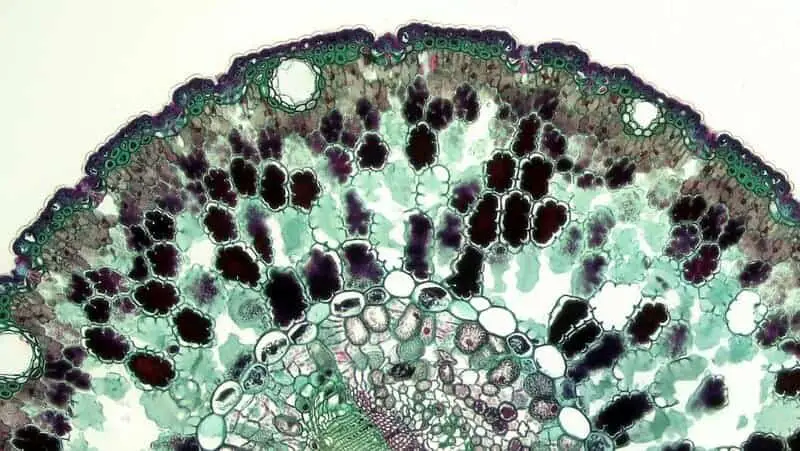
Chemiosmosis—the movement of ions across membranes—may have been a crucial energy source for the first metabolic systems. In modern cells, this process drives the production of ATP, the universal energy currency of life. Researchers propose that natural proton gradients at hydrothermal vents or within primitive cell membranes could have powered early biochemical reactions, providing the energy needed for life’s first steps. This link between ancient chemistry and modern cell biology offers a compelling clue to the origin of metabolism.
The Role of Minerals and Crystals
 [Photo by Глеб Коровко on Pexels]
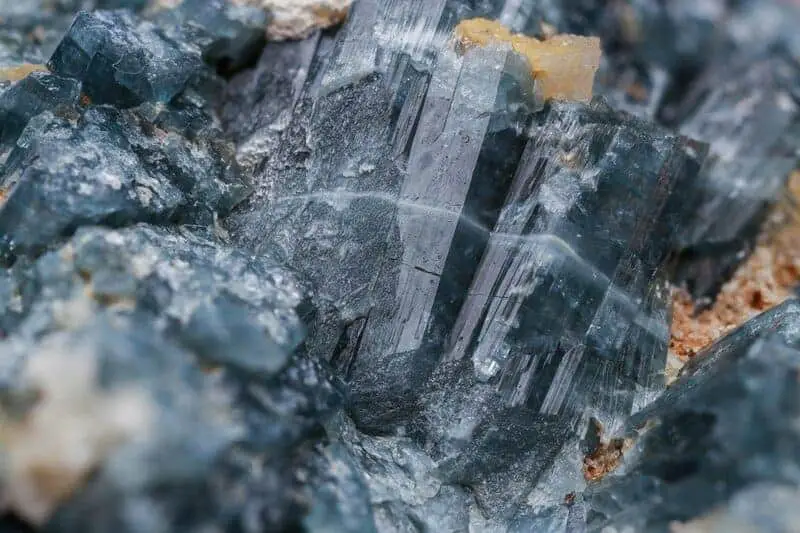
Minerals and crystals may have played a guiding role in life’s earliest chemistry. Some minerals provide surfaces that can catalyze or speed up crucial reactions, helping simple molecules link together into more complex structures. Crystals, with their regular atomic patterns, might have even directed the formation of life’s first polymers by acting as templates. The interplay between minerals, crystals, and organic molecules is a promising area of research, shedding light on how life’s building blocks assembled on the early Earth.
Ancient Microfossils: Earliest Evidence of Life?
 [Photo by Stephen + Alicia on Pexels]
The search for the earliest evidence of life has led scientists to study microfossils preserved in ancient rocks, some of which date back over 3.5 billion years. These microscopic structures offer tantalizing clues about when and how life originated on Earth. However, there is ongoing debate over the authenticity of certain finds and the reliability of dating methods. Despite disagreements, each discovery adds a new piece to the puzzle of life’s earliest history.
The Paradox of Oxygen
 [Photo by Pixabay on Pexels]
Early Earth’s atmosphere was largely oxygen-free, creating a world very different from today’s. The emergence of oxygen-producing microbes—most notably cyanobacteria—marked a dramatic turning point, releasing oxygen as a byproduct of photosynthesis. This transformation, known as the Great Oxidation Event, significantly altered Earth’s environment and drove the evolution of new life forms that could utilize oxygen for energy. The paradox lies in how life first adapted to and then radically altered its own planetary conditions.
Life’s Emergence: Gradual or Sudden?
 [Photo By: Bobrova Natalia/Shutterstock]
A fundamental question in origin-of-life studies is whether life emerged gradually, passing through numerous intermediate stages, or appeared rapidly once the right conditions were present. Some evidence suggests a slow, stepwise process involving increasing molecular complexity, while other data indicate that life arose quickly after Earth became habitable. The debate continues, with new discoveries constantly reshaping our understanding of how—and how fast—life’s first sparks were ignited.
Lessons from Synthetic Biology
 [Photo by Thirdman on Pexels]
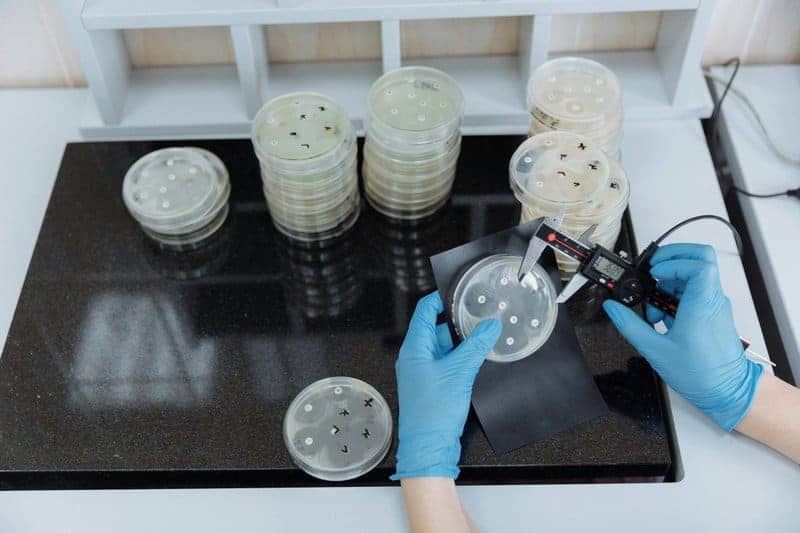
Advances in synthetic biology have enabled scientists to build artificial cells and even craft synthetic genomes from scratch. By recreating aspects of early life in the lab, researchers can test competing theories about the origin of life and identify the minimal requirements for cellular function. These experiments not only offer fresh insights into the possible pathways for the emergence of life, but also help refine our understanding of what it means to be alive.
The Ongoing Quest for Answers
 [Photo by Edward Jenner on Pexels]
The search for life’s origins remains an interdisciplinary adventure, drawing on chemistry, biology, astronomy, geology, and beyond. Despite remarkable progress, fundamental questions still linger: How did life emerge from nonlife? What conditions are truly necessary? Each new experiment, fossil find, or cosmic observation has the potential to shift our understanding, reminding us that the origin of life is one of science’s greatest—and most enduring—mysteries.
Life…uhh….Finds A Way
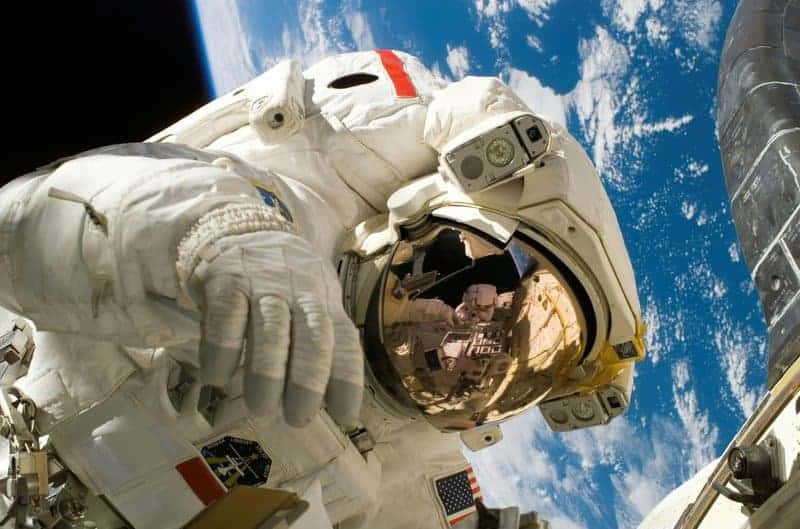 [Photo by Pixabay on Pexels]
The origin of life remains a profound and tantalizing mystery, with each new discovery challenging old assumptions and opening fresh avenues of inquiry. From primordial soups to hydrothermal vents, icy incubators, and cosmic chemistry, scientists are steadily expanding the boundaries of what’s possible. As perspectives shift and new evidence emerges, we gain not only a better understanding of our own beginnings but also a deeper appreciation for life’s resilience and potential elsewhere. The search continues, promising more surprises—and perhaps, one day, definitive answers.
.article-content-img img { width: 100% }

Vielleicht interessiert es Sie:
13 Extraordinary Giants Ready to Blow Your Mind! 🌍
10 Chonky Oddities That Will Leave You Speechless! 🤯
9 Unbelievable Absolute Units That Will Leave You Speechless! 🌟
10 Colossal Creatures That Will Leave You Speechless! 🐻
12 Shocking Absolute Units You’ll Have to See! 😲
12 Epic Absolute Units That Will Challenge Your Perceptions! 🔥
Uncover the 11 Ultimate Massive Oddities That Awe! 🌍
9 Unbelievable Oddities That Redefine ‚Massive‘! 🐉💎