
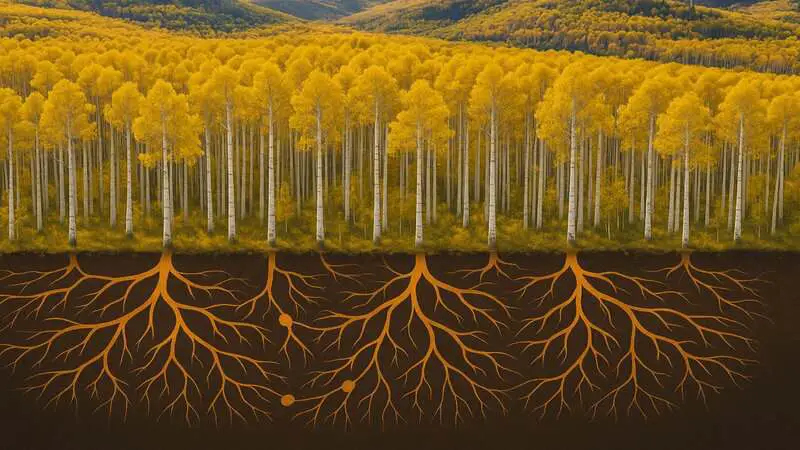
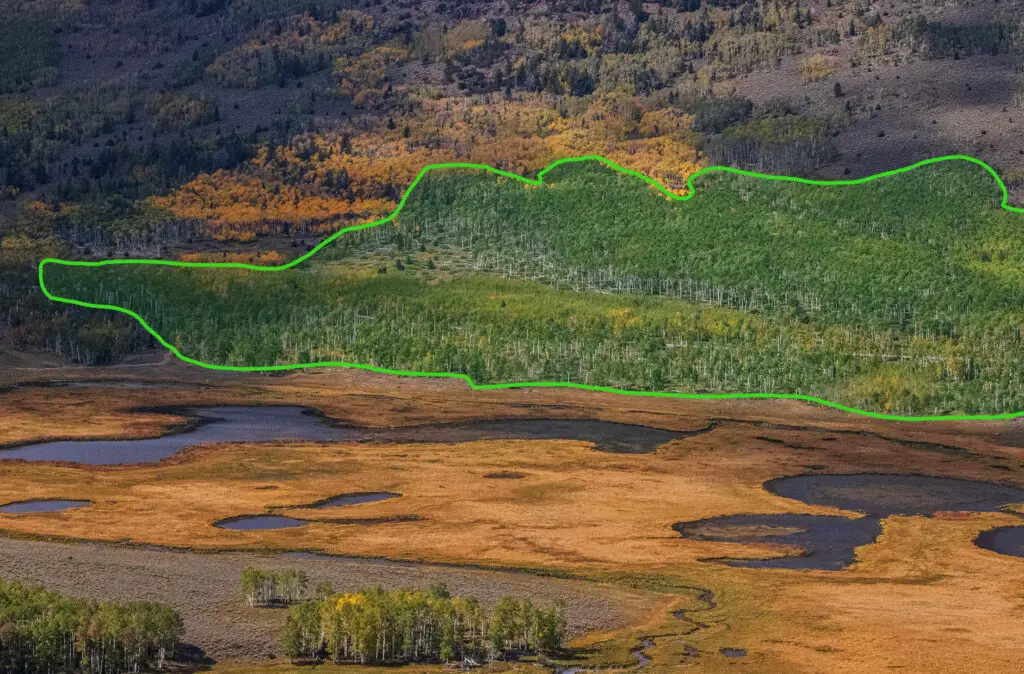
Deep in the heart of Utah stands a marvel of nature so immense, it has earned the nickname “the 106-acre monster.” This is Pando, a sprawling colony of quaking aspen trees that appears to be a forest but is, in truth, a single living organism. Covering an astonishing 106 acres, Pando is not only one of the largest but also one of the oldest living things on Earth. Its sheer scale and ancient roots have captivated scientists and nature lovers alike, sparking endless curiosity about its mysterious origin and resilience.
1. Meet Pando: The Trembling Giant
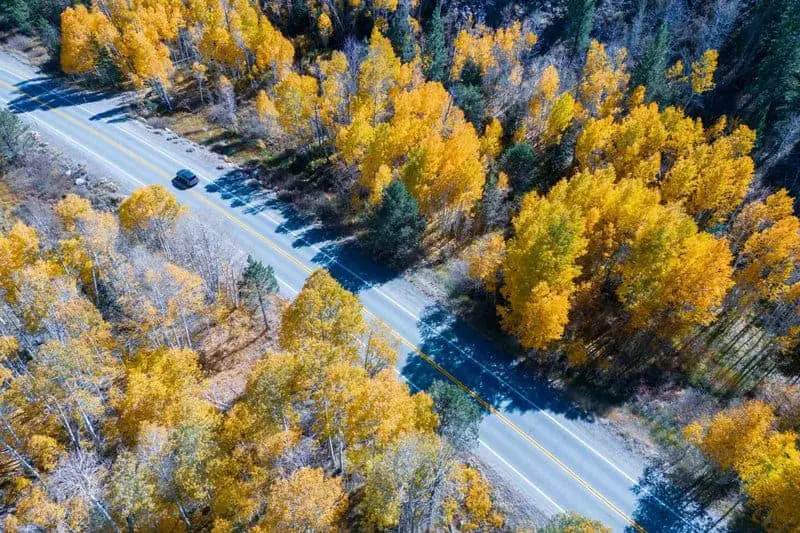 A sprawling grove of golden aspens in Utah’s Pando, all connected by a single massive underground root system. | Photo by Zetong Li on Pexels
Nestled within Utah’s Fishlake National Forest, Pando is unlike any other forest on earth. What looks like a dense grove of aspen trees is actually over 40,000 stems—all genetically identical and joined by a vast, ancient root system. This unique structure makes Pando the largest and heaviest known living organism on the planet, a natural wonder hiding in plain sight among the trembling leaves.
2. How One Tree Became Many
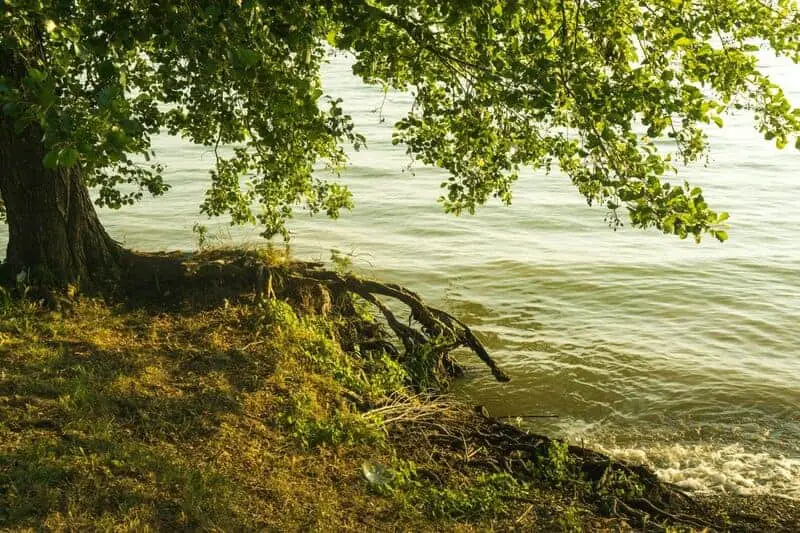 Young aspen shoots emerge in a dense cluster, all connected by a hidden network of intertwining tree roots from a single clonal colony. | Photo by Valentin on Pexels
Unlike typical forests, Pando’s growth is a marvel of nature. Instead of sprouting from seeds, Pando regenerates by sending up new stems directly from its vast root network. Over thousands of years, this process—known as vegetative reproduction—has produced a forest’s worth of trees, all part of a single, interconnected organism that has quietly expanded across the landscape.
3. Estimated Age: Ancient Beyond Imagination
 Towering old aspens stand side by side in an ancient forest, their silvery bark whispering centuries of history. | Photo by Karel Drozda on Pexels
Pando’s roots stretch far back in time. Scientists believe this organism is at least 8,000 years old, with some estimates reaching up to 14,000 years. This incredible lifespan places Pando among the oldest living entities on the planet, silently witnessing millennia of Earth’s changing climate and landscapes. Smithsonian Magazine
4. The Weight of a Forest
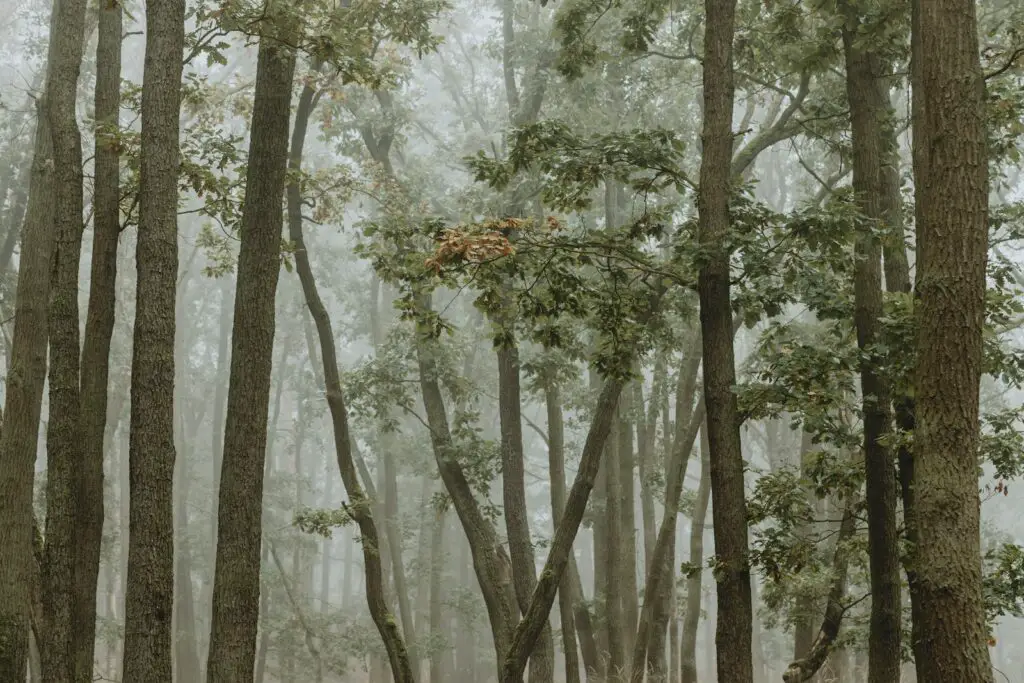
 A sprawling forest of towering trees reveals the hidden mass of the world’s heaviest living organism. | Photo by Veronika Andrews on Pexels
Pando’s sheer mass is astonishing: it weighs an estimated 13 million pounds, surpassing even the mightiest sequoias and blue whales. Its incredible biomass makes it the heaviest known living organism on Earth—an organic giant unrivaled in the natural world. BBC Earth
5. Where Is Pando?
 Golden aspens blanket the rolling hills of Fishlake National Forest, creating a vibrant autumn tapestry in the Utah wilderness. | Photo by Alex Moliski on Pexels
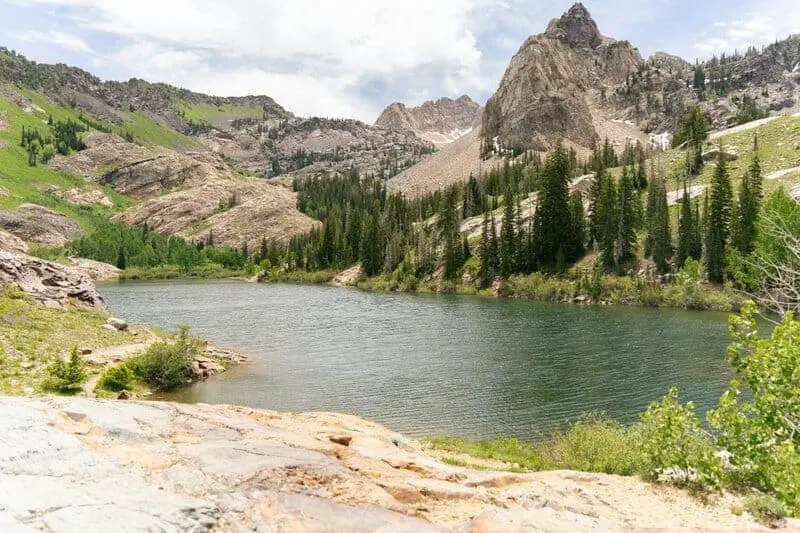
Pando calls central Utah its home, thriving near the shores of Fish Lake. The region’s semi-arid climate shapes Pando’s growth, fostering a distinct ecosystem where wildlife, plants, and soil interact in harmony with this ancient, living giant.
6. Clonal Colonies: Nature’s Multipliers
 A sprawling seagrass bed thrives underwater, its roots intertwined with a hidden network of fungi forming a vast clonal colony. | Photo by Tomas Hudolin on Pexels
Pando is a remarkable example of a clonal colony—where countless individuals, all genetically identical, spring from a single ancestor. Nature repeats this strategy in surprising ways, from sprawling fungi beneath forests to vast beds of seagrass, proving that life finds extraordinary ways to multiply and endure.
7. A Forest That Regenerates Itself
 Bright green aspen shoots emerge from the forest floor, showcasing nature’s resilience and the promise of new growth. | Photo by Alfo Medeiros on Pexels
When older stems die, Pando’s root system quickly responds by sending up new shoots, seamlessly replacing what’s lost. This natural cycle of regeneration grants Pando remarkable resilience, allowing it to persist through fires, droughts, and disease. Nature Conservancy
8. The Science Behind the Roots
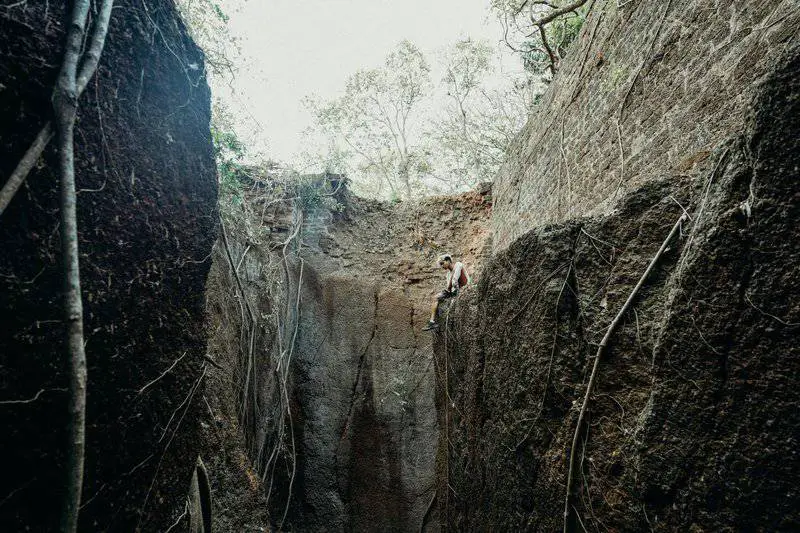 A tangled network of aspen roots weaves beneath the soil, forming an intricate underground forest hidden from view. | Photo by cottonbro studio on Pexels
Pando’s underground root network is both immense and intricate, stretching for miles beneath the soil to connect every stem. This living web enables the colony to share nutrients and signals among its parts—functioning much like the “wood wide web” found in other forests. National Geographic
9. Genetic Uniformity: All Trees Are One
 A scientist examines a genetic test result beside stylized DNA trees, exploring the secrets of plant genetics. | Photo by Google DeepMind on Pexels
Genetic studies reveal that every aspen stem in Pando carries identical DNA.
Unlike typical forests filled with diverse genes, this uniformity links Pando’s fate as a single organism—making it remarkably cohesive, but also potentially vulnerable to disease and changing conditions.
Live Science
10. Wildlife Dependence
 A graceful deer wanders through a lush aspen grove, surrounded by the vibrant biodiversity of the forest. | Photo by Aneta Hartmannová on Pexels
Pando serves as a critical sanctuary for wildlife, hosting everything from birds and pollinating insects to large mammals such as deer and elk. The health of this ancient colony directly shapes the wellbeing of countless species, weaving Pando into the heart of the region’s ecosystem. Utah Division of Wildlife Resources
11. The Threat of Over-Browsing
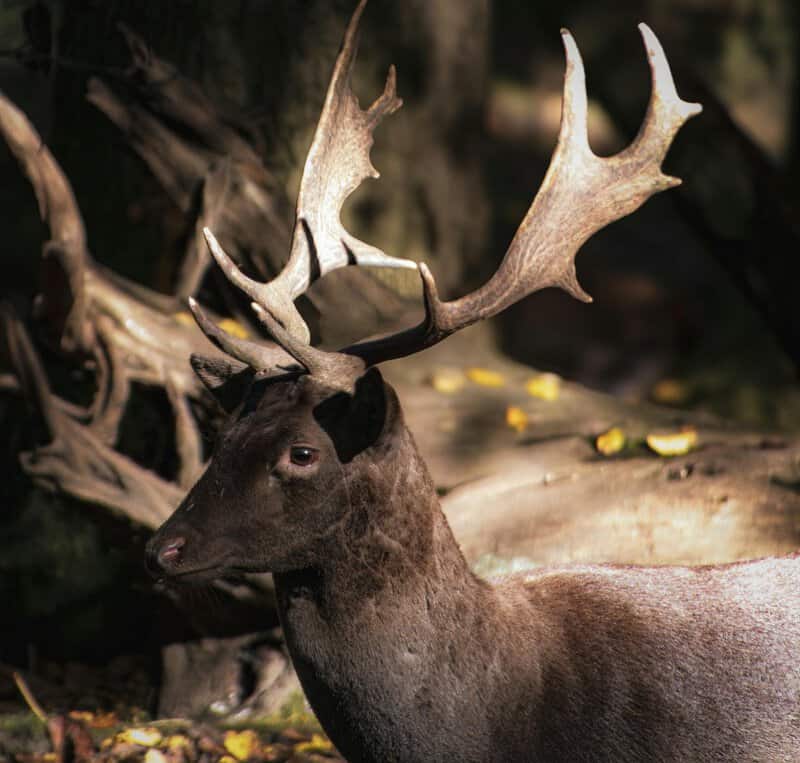 A gentle deer grazes nearby as young trees protected by wire fencing stand tall along the forest edge. | Photo by Jimmy K on Pexels
Pando faces serious challenges from over-browsing as deer and elk feed on its tender new shoots. Without enough natural predators to keep these populations in check, regeneration stalls and the colony’s future is put at risk. Conservationists have begun using fencing and wildlife management strategies to shield young growth and help Pando recover. Yale Environment 360
12. Drought and Climate Change
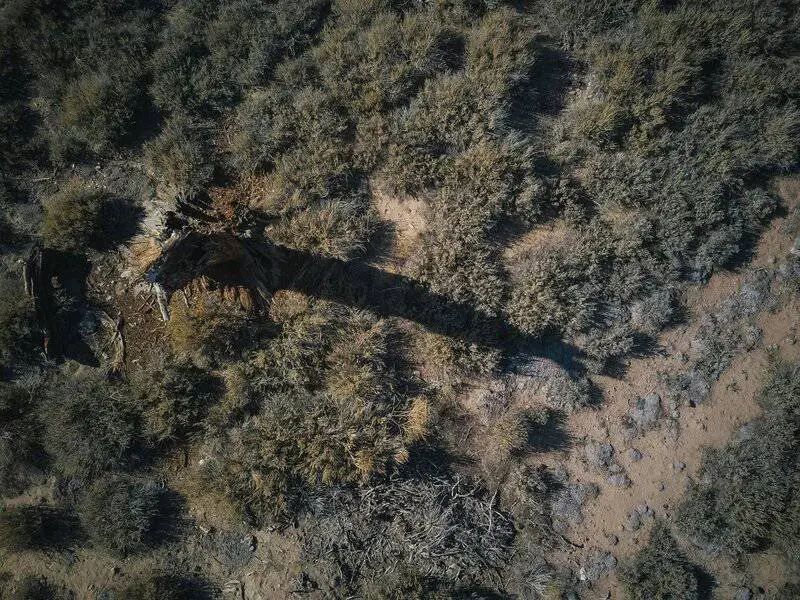 Parched aspen trees stand with wilted leaves in a drought-stricken forest, revealing the stress of climate change. | Photo by Kindel Media on Pexels
Rising drought and unpredictable climate patterns are placing new pressures on Pando, affecting both its growth and ability to regenerate. Scientists are closely monitoring these changes, using their findings to better understand the challenges ahead and to help guide efforts to safeguard this ancient organism. New York Times
13. Fire: Friend or Foe?
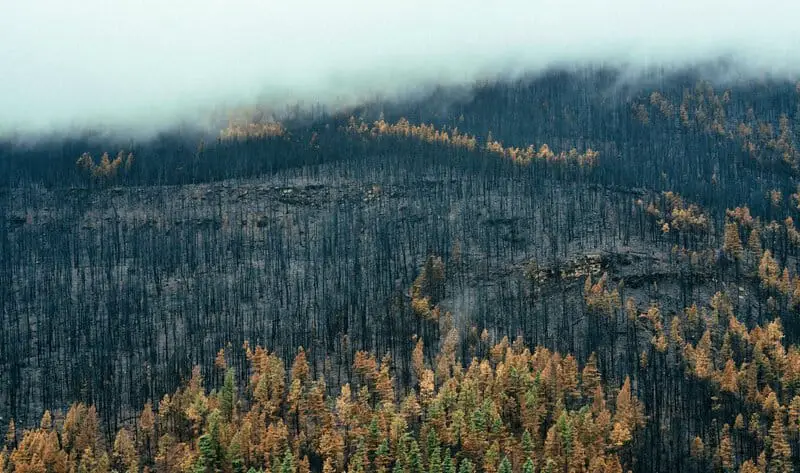
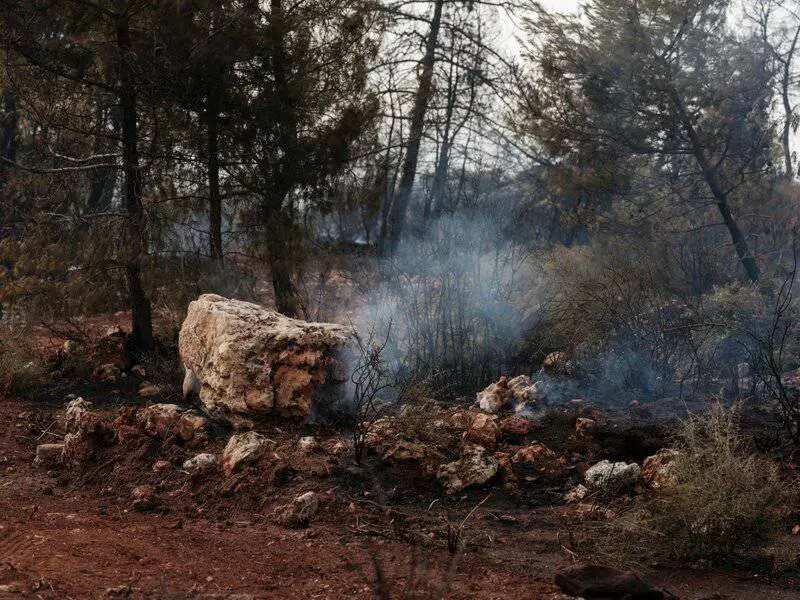 Golden aspen trees begin to recover amid charred trunks and smoldering ground after a controlled burn in the forest. | Photo by Engin Akyurt on Pexels
Fire poses a complex challenge for Pando. While flames may destroy older stems, they also clear the way for vigorous new shoots to emerge from the resilient root system.
In fact, controlled burns are sometimes used by forest managers to stimulate healthy regeneration in aspen colonies.
US Forest Service
14. Human Impact and Conservation
 Volunteers carefully plant young saplings in a cleared woodland, illustrating dedicated conservation efforts to restore and protect vital forests. | Photo by Ron Lach on Pexels
Human presence—whether through land development or recreation—poses risks to Pando’s delicate ecosystem.
Conservationists are working to balance public access with preservation, ensuring that this living wonder can endure for future generations.
The Nature Conservancy
15. Pando in Popular Culture
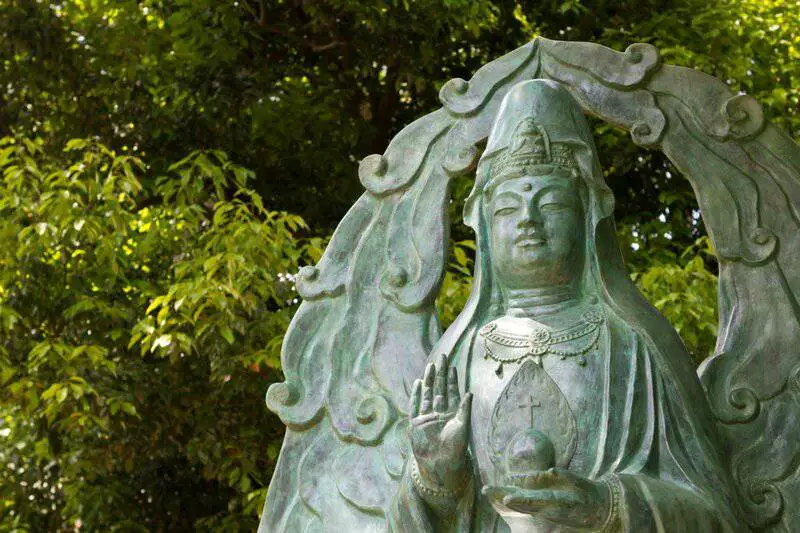 A sweeping grove of intertwined aspen trees symbolizes unity in a Pando-inspired art installation, evoking documentary storytelling. | Photo by Rev. Lisa j Winston on Pexels
Pando’s story has inspired artists, writers, and filmmakers alike, turning it into a symbol of resilience and connection. Documentaries and books celebrate its unique legacy, bringing the mysterious “Trembling Giant” to audiences worldwide. PBS
16. Scientific Discoveries and Ongoing Research
 A team of scientists examines aspen trees in a sun-dappled forest, gathering data for an ongoing ecological study. | Photo by Yaroslav Shuraev on Pexels
Scientists are delving into Pando’s genetics, ecology, and resilience to better understand how clonal organisms survive and adapt.
This ongoing research sheds light on forest health, management, and the unique challenges faced by ancient colonies.
Insights from these studies directly inform conservation efforts.
University of Utah
17. How Pando Compares Globally
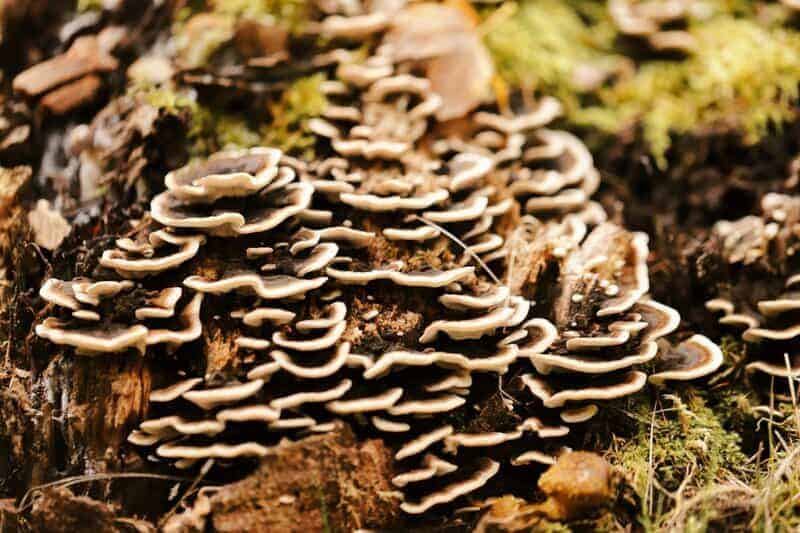 Golden clusters of Armillaria fungus spread across the forest floor in Oregon, highlighting one of Earth’s largest living organisms. | Photo by Christina & Peter on Pexels
Pando’s title as the world’s largest organism is often challenged by the Armillaria fungus in Oregon.
While the fungus spans a larger area underground, Pando remains heavier and more visually striking, standing above ground as a living forest—an unparalleled natural marvel.
18. What Makes Pando Unique
 A mesmerizing aspen landscape reveals the unique forest of Pando, where countless golden trunks share a single ancient root system. | Photo by cottonbro studio on Pexels
What sets Pando apart is its remarkable visibility and accessibility; you can walk among its ancient stems and witness its grandeur firsthand.
Its immense size, incredible age, and vital ecological role make it a standout among clonal colonies worldwide.
Science News
19. Visiting Pando
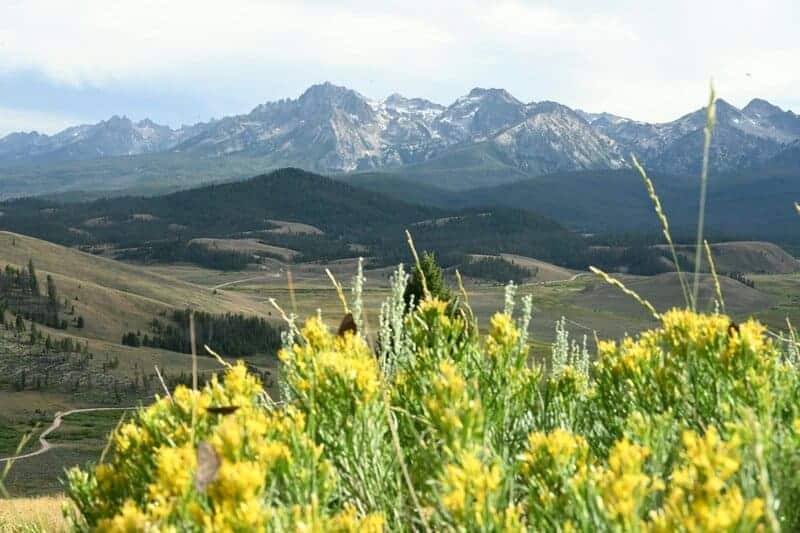 Hikers wander along winding aspen trails beneath Pando’s ancient canopy, experiencing the magic of Utah’s famed forest tourism. | Photo by Jenny Uhling on Pexels
Pando welcomes visitors year-round, inviting them to hike, photograph, and learn amid its ancient stems.
To help safeguard this living treasure, guests are encouraged to respect the land and stay on designated trails.
Visit Utah
20. Lessons from the Trembling Giant
 A group of children gathers around an aspen tree, learning about interconnected roots and environmental stewardship in the forest. | Photo by Mike Murray on Pexels
Pando stands as a living lesson in resilience and interdependence, showing how life thrives when nature’s balance is respected.
Its ongoing story urges us to value conservation and mindful stewardship, ensuring that wonders like the Trembling Giant endure for generations to come.
Mongabay
21. Can Pando Be Saved?
 Volunteers plant young aspens beneath towering trees, taking conservation action to help Pando’s ancient forest recover. | Photo by cottonbro studio on Pexels
Conservationists and scientists are joining forces to protect Pando, using strategies like fencing, controlled burns, and wildlife management to encourage new growth.
Though challenges remain, their combined efforts offer hope for Pando’s future, keeping the world’s largest living organism alive for generations to witness.
Science Magazine
22. The Legacy of a Living Forest
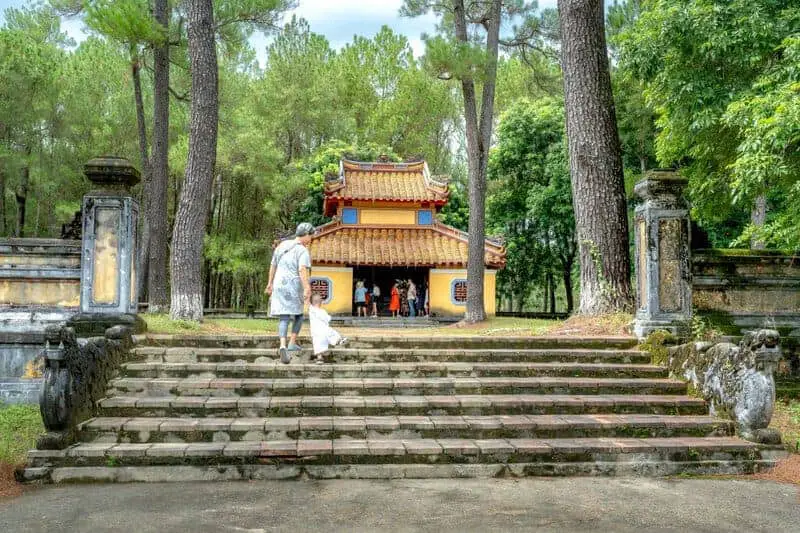 Towering ancient trees stand together in a legacy forest, showcasing the enduring beauty of Pando preservation efforts. | Photo by Quang Nguyen Vinh on Pexels
Pando’s story is a testament to the wonders and mysteries of our natural world. Its ancient roots and enduring presence inspire awe, while reminding us of what’s at stake when unique ecosystems are threatened. As we deepen our understanding of Pando, let it be a call to protect not only this living giant, but all the remarkable organisms that shape our planet. National Geographic

Vielleicht interessiert es Sie:
13 Extraordinary Giants Ready to Blow Your Mind! 🌍
10 Chonky Oddities That Will Leave You Speechless! 🤯
9 Unbelievable Absolute Units That Will Leave You Speechless! 🌟
10 Colossal Creatures That Will Leave You Speechless! 🐻
12 Shocking Absolute Units You’ll Have to See! 😲
12 Epic Absolute Units That Will Challenge Your Perceptions! 🔥
Uncover the 11 Ultimate Massive Oddities That Awe! 🌍
9 Unbelievable Oddities That Redefine ‚Massive‘! 🐉💎