
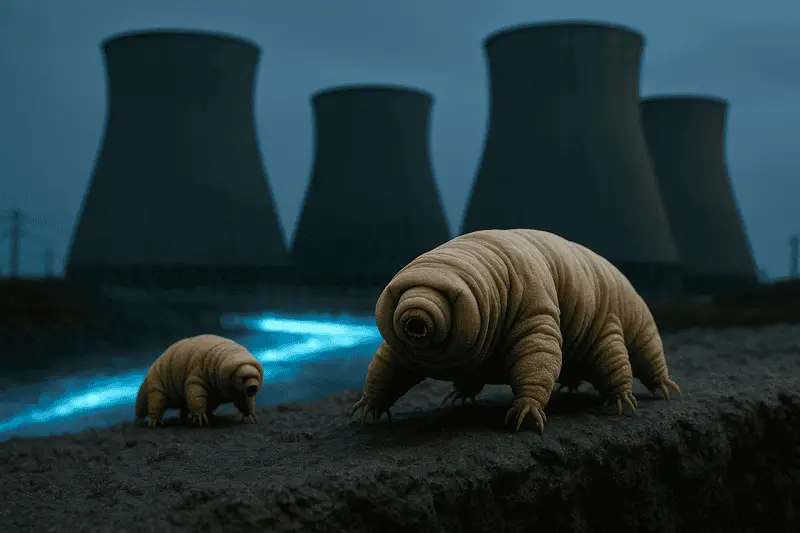
Nuclear reactors are some of the most hostile environments on Earth. Within their concrete walls, radiation levels soar high enough to destroy most forms of life in seconds. Yet, against all odds, a tiny animal managed the impossible—it not only survived, but thrived after exposure. This astonishing feat captured the attention of scientists worldwide, challenging everything we thought we knew about resilience. How could any organism withstand such extremes? The story of this animal’s survival is more than just incredible—it’s a glimpse into nature’s most extraordinary adaptations.
1. Tardigrades: Nature’s Tiny Survivors
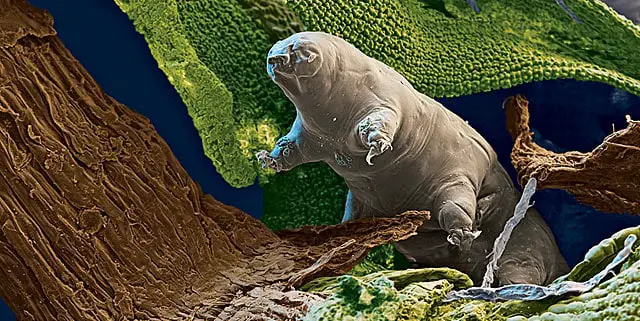 A close-up view of a resilient tardigrade, the microscopic animal famed for surviving the harshest environments on Earth. | Photo by makeupscience.blogspot.com
Meet the tardigrade, also known as the “water bear.” These microscopic creatures are legendary for their toughness, surviving where almost nothing else can. Extreme heat, freezing cold, intense pressure—even the deadly radiation found in nuclear reactors—poses little threat to them. Tardigrades owe their survival to extraordinary biological tricks, like entering a state called cryptobiosis, which makes them nearly indestructible. Their resilience has made them a focus of scientific fascination and a symbol of life’s tenacity. Learn more
2. Why Nuclear Reactors are Deadly
 A glowing nuclear core surrounded by warning signs and hazmat suits highlights the intense danger of a radiation meltdown. | Photo by flickr.com
Inside a nuclear reactor, danger lurks everywhere. Intense radiation bombards anything living, breaking down DNA in seconds. Temperatures soar to unimaginable heights, and the environment is toxic to nearly all organisms. Disasters like Chernobyl and Fukushima left vast zones barren of life. Few species can even approach such places, let alone survive inside. These lethal conditions make the survival of any animal—especially something as small as a tardigrade—even more astonishing. Read more
3. How Tardigrades Survive Radiation
 A microscopic view reveals a tardigrade surrounded by glowing protective proteins entwined with its resilient DNA strands. | Photo by Edward Jenner on Pexels
Tardigrades possess remarkable defenses against radiation’s deadly effects. One of their secrets is a unique protein called Dsup (“damage suppressor”), which shields their DNA from harm. They also have advanced DNA repair mechanisms, quickly fixing any breaks caused by radiation exposure. Compared to other radiation-resistant organisms, like Deinococcus radiodurans, tardigrades stand out for their dual approach: protection and repair. This combination lets them shrug off doses that would obliterate most life forms. Science Daily
4. The Experiment: Exposing Tardigrades to Nuclear Reactors
 A scientist examines a resilient tardigrade under a microscope during a laboratory experiment testing its resistance to radiation. | Photo by roberto carrafa on Pexels
Scientists have put tardigrades to the ultimate test, placing them in or near nuclear reactors to measure their survival. Amazingly, many tardigrades not only endured the intense radiation but emerged unaffected—even after doses lethal to almost all other animals. Some even showed signs of recovery after extreme exposure. These experiments stunned researchers and highlighted just how extraordinary tardigrade biology truly is. Nature
5. Cryptobiosis: The Tardigrade’s Secret Weapon
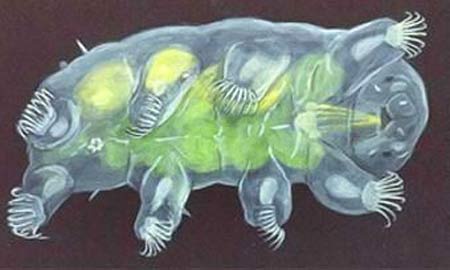 A tiny tardigrade curled into its cryptobiotic, dried-up form, showcasing its remarkable survival state against harsh conditions. | Photo by makeupscience.blogspot.com
Tardigrades escape death through cryptobiosis, a suspended animation where their metabolism nearly stops.
In this state, they lose almost all water and curl into a tiny, indestructible “tun.”
This lets them survive for years without food, water, or even air—and makes them nearly immune to radiation and heat.
Other animals, like brine shrimp and nematodes, use forms of cryptobiosis, but none match the tardigrade’s resilience.
Smithsonian Magazine
6. DNA Shield: The Dsup Protein
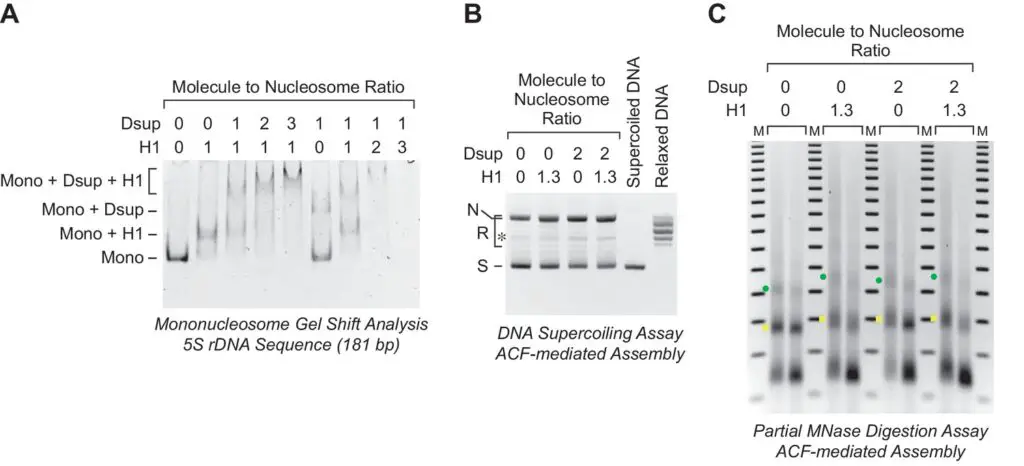 A detailed 3D rendering shows a protective protein structure tightly wrapped around a vibrant double helix of DNA. | Photo by elifesciences.org
A major reason for the tardigrade’s toughness is the Dsup protein, which acts as a molecular shield for their DNA.
This remarkable protein minimizes genetic damage from radiation, making tardigrades almost invulnerable.
Scientists are now exploring ways to use Dsup in human medicine, hoping it could one day protect our own DNA during cancer treatments or space travel.
BBC News
7. Generating Stronger Offspring
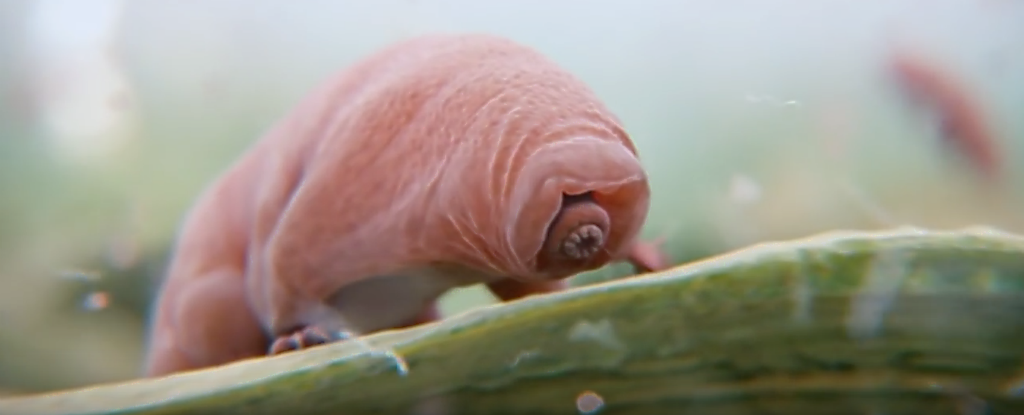 A cluster of tardigrade eggs nestles among moss fibers, showcasing the remarkable adaptation of these resilient offspring. | Photo by sciencealert.com
Researchers have discovered that tardigrades exposed to extreme radiation can sometimes produce offspring with even greater resilience.
This suggests a rapid, generational adaptation at work—where surviving stress may trigger new genetic strengths.
Such findings not only amaze scientists but also offer clues into how life evolves to conquer the harshest environments.
Live Science
8. Lessons from Chernobyl Wildlife
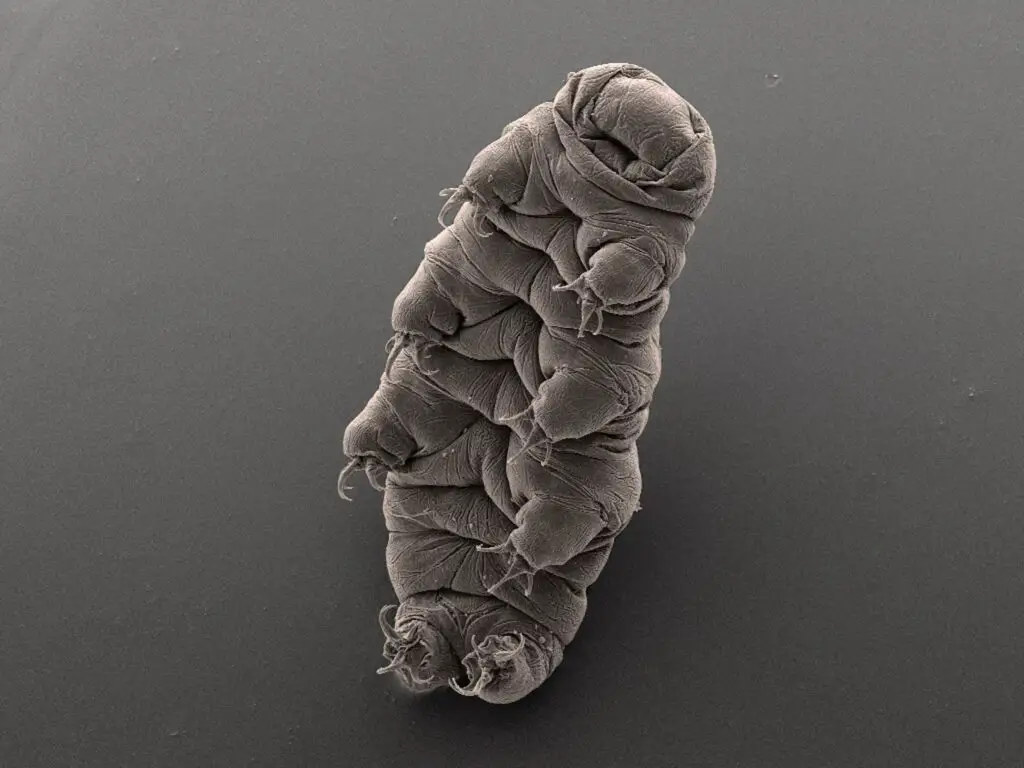 A mossy patch teems with resilient wildlife in Chernobyl, providing a thriving microhabitat for tardigrades. | Photo by washingtonpost.com
Remarkably, tardigrades and other resilient species have managed to colonize radioactive zones like Chernobyl.
These creatures offer scientists a living laboratory to study survival in hazardous environments over generations.
Observing wildlife in these regions reveals how nature adapts, rebounds, and even thrives where humans cannot.
Such research deepens our understanding of evolution, resilience, and the potential for life in extreme conditions.
National Geographic
9. Tardigrades vs. Other Radiation-Resistant Life
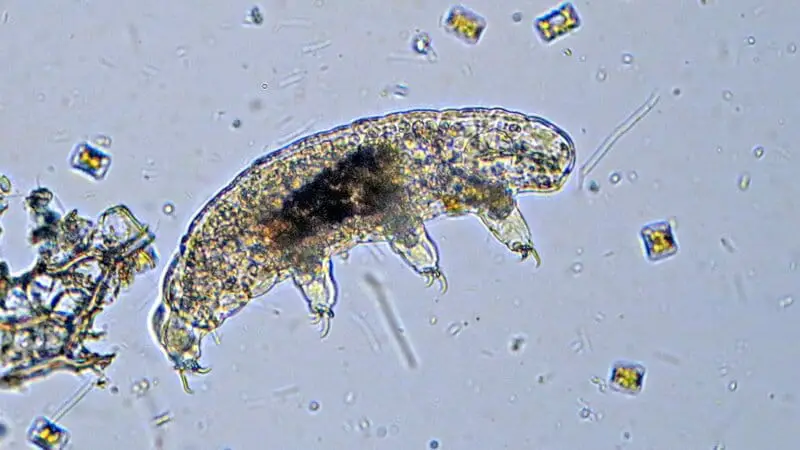 A close-up view compares a resilient tardigrade and clusters of bacteria, highlighting their remarkable extremophile adaptations. | Photo by Openverse
While bacteria like Deinococcus radiodurans are famous for surviving radiation, tardigrades remain the undeniable champions among animals.
Their combination of cryptobiosis, DNA repair, and the Dsup protein sets them apart.
Tardigrades endure conditions that would obliterate nearly every other animal, earning them a unique place in the pantheon of nature’s survivors.
New Scientist
10. The Potential for Space Travel
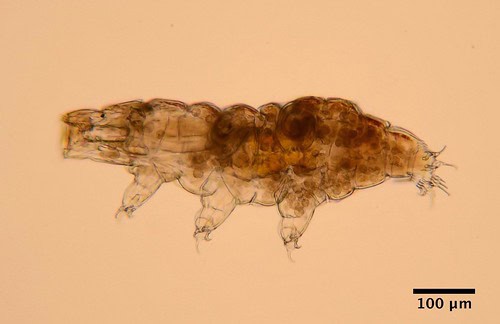 A microscopic tardigrade floats against a starry backdrop, enduring cosmic radiation as part of a groundbreaking space experiment. | Photo by flickr.com
Tardigrades’ legendary resilience has made them the subject of experiments beyond Earth.
Scientists have launched them into space, where they survived the vacuum and intense cosmic radiation—conditions fatal to most life.
Their success in orbit suggests that life could persist in the harshest corners of our universe.
These findings inspire researchers exploring the possibilities of interplanetary travel and the search for life on distant worlds.
NASA
11. Medical Applications: Learning from Tardigrades
 A scientist in a lab coat carefully pipettes a protein solution, highlighting advances in medical research and technology. | Photo by Pixabay on Pexels
The unique proteins that protect tardigrades from radiation are sparking new breakthroughs in human medicine.
Researchers hope to harness these molecules, like Dsup, to shield human cells during cancer radiation therapy or keep astronauts safe from cosmic rays.
If successful, these discoveries could revolutionize how we approach radioprotection and open new frontiers in healthcare and space exploration.
Nature
12. Tardigrades in Pop Culture
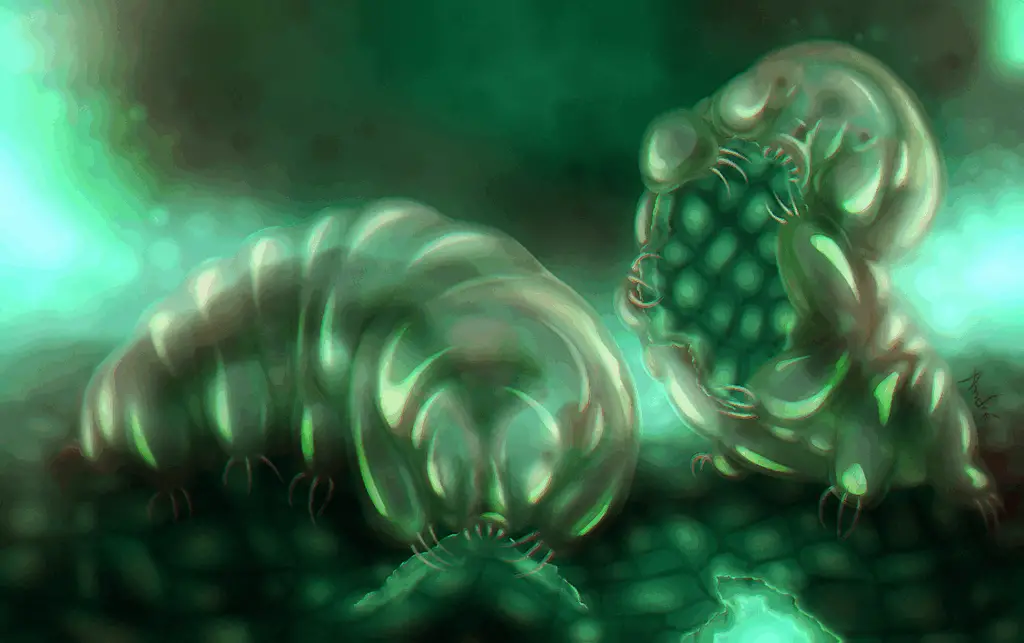 A whimsical illustration of a tardigrade, inspired by popular culture, showcases the tiny creature in a playful, cartoon style. | Photo by deviantart.com
Tardigrades have captured the public imagination, becoming icons of resilience in documentaries, popular science shows, and even science fiction.
Often called “invincible animals,” they’re celebrated for their ability to survive conditions that would defeat any other creature.
Their fame continues to grow, inspiring curiosity about the extremes of life on Earth—and beyond.
BBC
13. Studying Genetic Adaptations
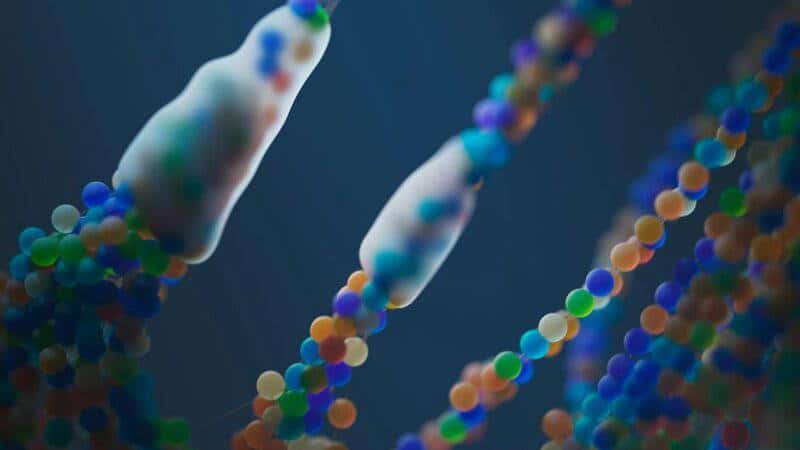 A vibrant illustration of a tardigrade is overlaid with colorful strands representing its uniquely resilient genetic code and DNA sequence. | Photo by Google DeepMind on Pexels
Unlocking the secrets of tardigrade survival starts with their genome.
Scientists have identified genes that code for remarkable abilities—like DNA repair, antioxidant production, and the iconic Dsup protein.
This groundbreaking research paves the way for genetic engineering, with hopes of transferring some of these traits to other species.
By studying these genetic adaptations, we gain powerful insights into resilience and the possibilities of biotechnology.
Science
14. How Tardigrades Repair Their DNA
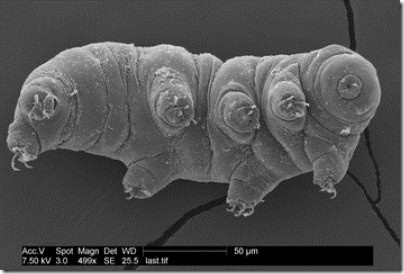 A close-up view of tardigrade cells reveals intricate molecular structures involved in their remarkable DNA repair mechanisms. | Photo by runblogger.com
Tardigrades possess highly advanced DNA repair systems that activate after radiation damage.
These mechanisms swiftly detect and mend broken genetic strands, preventing harmful mutations and ensuring survival.
This rapid repair, combined with their protective proteins, allows tardigrades to recover from conditions that would devastate other animals.
Their sophisticated approach to cellular repair continues to intrigue geneticists worldwide.
Cell Reports
15. Survival in Extreme Temperatures
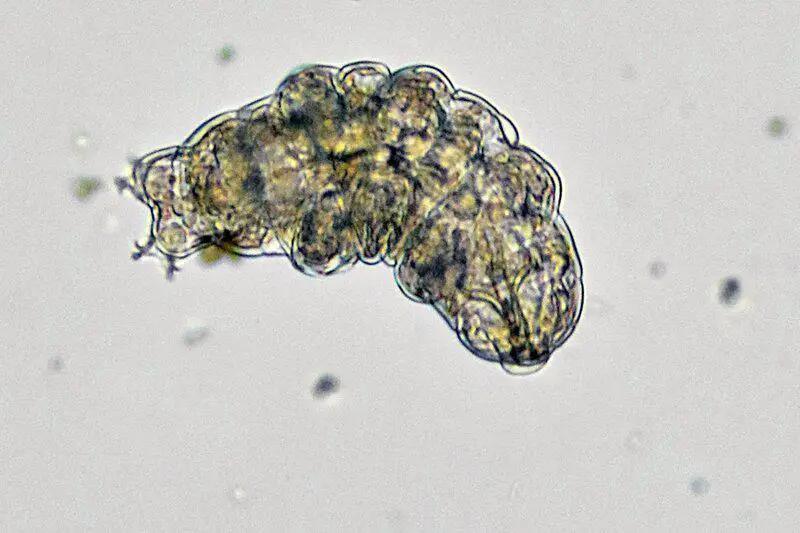 A tiny tardigrade lies frozen in crystal-clear ice, enduring temperature extremes and surviving intense heat stress. | Photo by flickr.com
Tardigrades aren’t just radiation-proof—they also withstand boiling heat and freezing cold.
These “extreme generalists” can survive temperatures from just above absolute zero to over 300°F (149°C).
This ability makes them some of the most versatile survivors on the planet, capable of enduring nearly every environmental challenge imaginable.
Scientific American
16. The Role of Water Bears in Ecosystems
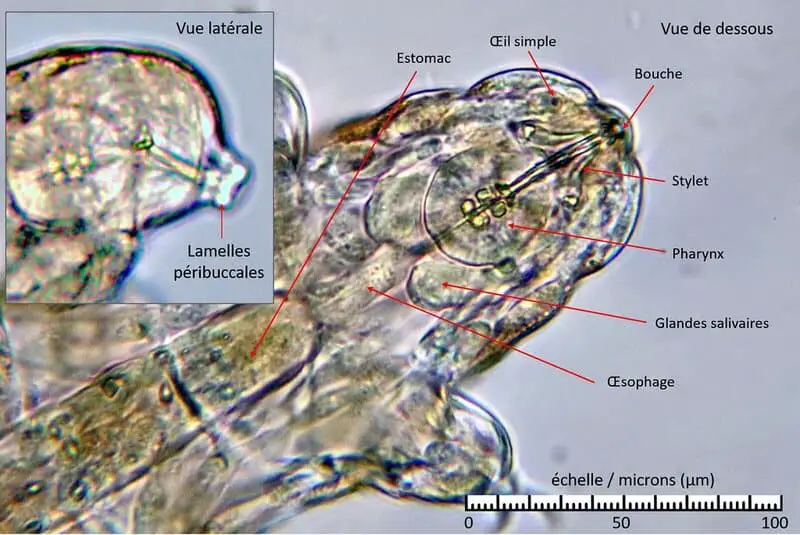 A magnified view reveals a water bear nestled among moss and lichen, thriving in its miniature ecosystem habitat. | Photo by flickr.com
Despite their microscopic size, water bears play an important role in ecosystems.
Tardigrades break down organic matter and contribute to nutrient cycling in soil and mosses.
Their astonishing abundance—found from mountaintops to ocean depths—shows just how adaptable and essential these tiny creatures are to the planet’s health.
Encyclopedia Britannica
17. How Scientists Track Tardigrades After Exposure
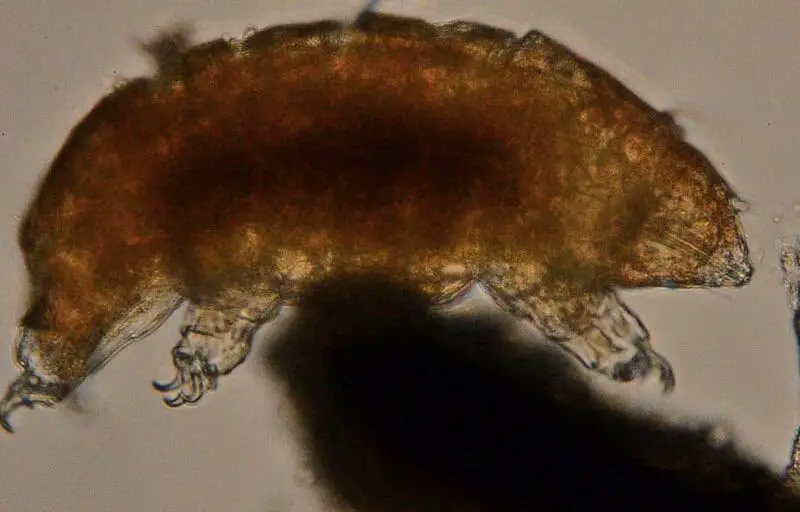 A scientist observes a tardigrade through a microscope, using advanced tracking software to monitor its movements in the lab. | Photo by flickr.com
Researchers use advanced imaging and genetic sequencing to monitor tardigrades after radiation exposure.
Techniques like fluorescence microscopy help visualize cellular damage, while genomic analysis reveals how their DNA changes or repairs itself.
These methods allow scientists to unravel the mysteries behind tardigrade resilience and adaptation, shedding light on potential applications for human health.
Nature Methods
18. Future Research: Engineering Human Resilience
 A scientist uses advanced biotechnology techniques to transfer genetic material into a magnified human cell in the laboratory. | Photo by Yaroslav Shuraev on Pexels
One of the most exciting frontiers is engineering human resilience using tardigrade genes.
Scientists have already inserted Dsup into human cells in the lab, resulting in dramatically reduced DNA damage from radiation.
Continued research could lead to breakthroughs in medicine, astronaut safety, and disaster recovery, potentially making aspects of tardigrade resilience part of our own biology.
Science News
19. Tardigrades as Environmental Indicators
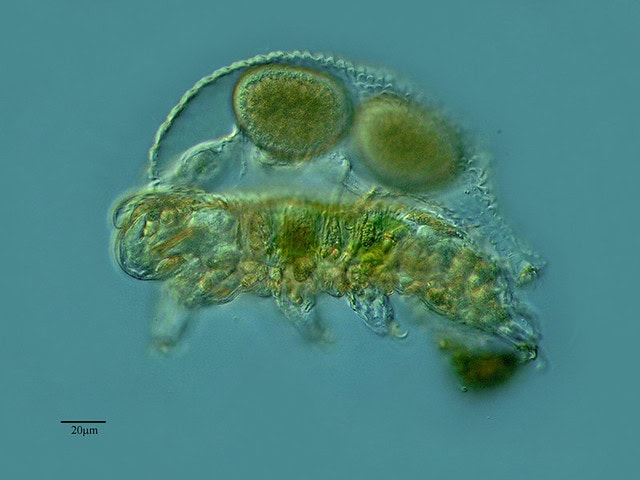 A close-up view of mossy terrain teeming with water droplets, highlighting the vital habitat of tardigrade bioindicators for environmental monitoring. | Photo by flickr.com
Thanks to their resilience, tardigrades serve as valuable environmental indicators.
Scientists study changes in tardigrade populations to monitor pollution, habitat quality, and broader ecological shifts.
Their adaptability to diverse conditions makes them a reliable signal of environmental health and a useful tool for tracking the impact of human activity.
Frontiers in Environmental Science
20. What We Can Learn from the Toughest Animal
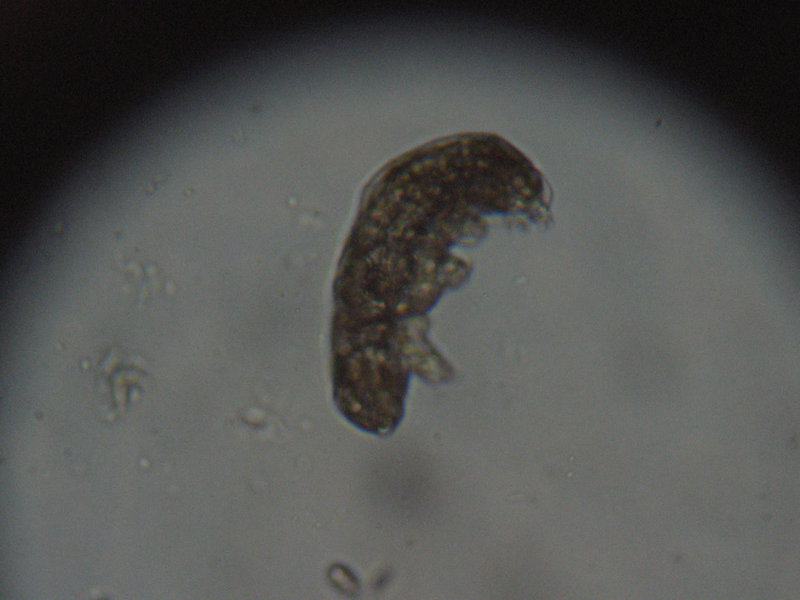 A magnified tardigrade drifts among microscopic debris, symbolizing exciting new frontiers in scientific discovery and future research. | Photo by flickr.com
Tardigrades offer us more than just a marvel of survival—they open new doors in science and technology.
Their unique biology inspires advances in medicine, such as radioprotection and genetic engineering.
They also shape our understanding of environmental resilience and guide the search for life on other planets.
Ultimately, studying these tiny survivors teaches us about adaptation, innovation, and the boundless possibilities of life.
Smithsonian Magazine
Conclusion
 A magnified view of a tardigrade showcases the tiny creature’s remarkable resilience, captivating science enthusiasts everywhere. | Photo by 浪 郭 on Pexels
The story of the tardigrade—an animal that walked into a nuclear reactor and came out stronger—reminds us of nature’s astonishing ingenuity.
These microscopic marvels not only defy the deadliest environments but also inspire breakthroughs in medicine, biotechnology, and our understanding of evolution.
Their resilience challenges us to rethink the limits of life itself.
As we continue to unlock their secrets, let’s embrace curiosity and invest in exploring the wonders that even the tiniest creatures have to offer.

Vielleicht interessiert es Sie:
13 Extraordinary Giants Ready to Blow Your Mind! 🌍
10 Chonky Oddities That Will Leave You Speechless! 🤯
9 Unbelievable Absolute Units That Will Leave You Speechless! 🌟
10 Colossal Creatures That Will Leave You Speechless! 🐻
12 Shocking Absolute Units You’ll Have to See! 😲
12 Epic Absolute Units That Will Challenge Your Perceptions! 🔥
Uncover the 11 Ultimate Massive Oddities That Awe! 🌍
9 Unbelievable Oddities That Redefine ‚Massive‘! 🐉💎