
Every year, thousands of people suffer severe harm—or even lose their lives—due to dangerous drug interactions.
While most of us trust our pharmacists to spot these hidden dangers, the reality is far more alarming.
Busy pharmacies, rushed consultations, and information gaps mean that many life-threatening combinations slip through the cracks.
These aren’t rare mistakes—they’re a disturbingly common and preventable problem.
Understanding the risks of drug interactions and the critical role pharmacists play is the first step in protecting yourself and your loved ones.
1. Warfarin and NSAIDs
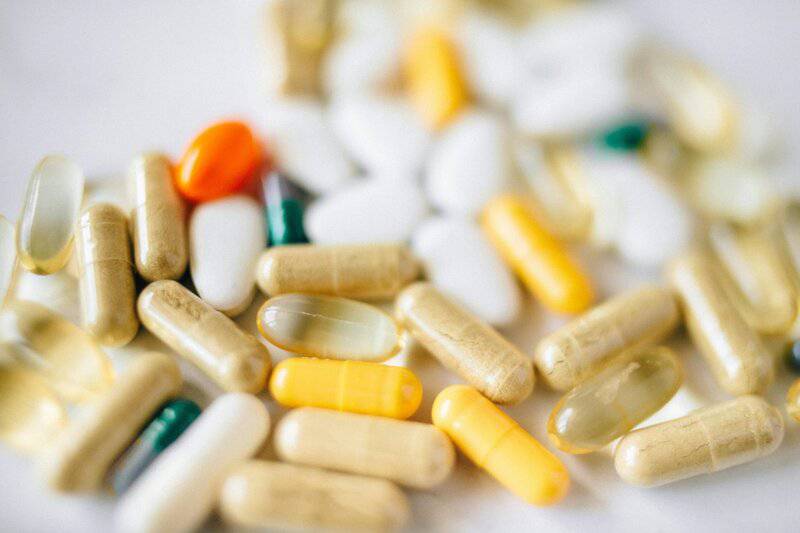 Warfarin pills and ibuprofen tablets are displayed side by side, highlighting the increased risk of bleeding when combined. | Photo by Nataliya Vaitkevich on Pexels
Combining warfarin, a powerful blood thinner, with common NSAIDs like ibuprofen or naproxen can be a recipe for disaster.
This interaction greatly increases the risk of internal bleeding, sometimes with fatal consequences.
Even one dose of an NSAID can tip the balance, especially in older adults.
Real-world cases have shown that patients, unaware of the risk, landed in emergency rooms with serious complications.
Clinical guidelines from the Mayo Clinic urge extreme caution and stress close monitoring if these drugs must be used together.
2. ACE Inhibitors and Potassium Supplements
 A bottle of lisinopril, potassium tablets, and a heart monitor are neatly arranged on a clinical countertop. | Photo by Photo By: Kaboompics.com on Pexels
People prescribed ACE inhibitors like lisinopril for high blood pressure often don’t realize the danger of combining them with potassium supplements or potassium-sparing diuretics.
This mix can trigger hyperkalemia—dangerously high potassium levels—which can stop the heart without warning.
Numerous case studies detail patients rushed to hospitals due to overlooked interactions.
As highlighted by the Cleveland Clinic, even small increases in potassium can become life-threatening, especially in those with kidney problems.
3. Statins and Certain Antibiotics
 A close-up of statin pills and antibiotic capsules scattered beside a note reading “muscle pain” on a table. | Photo by ready made on Pexels
Mixing popular cholesterol drugs like statins (such as simvastatin or atorvastatin) with certain antibiotics—most notably clarithromycin—can lead to serious harm.
These antibiotics block the body’s ability to break down statins, causing dangerously high levels in the blood.
The result? A much higher risk of rhabdomyolysis, a condition where muscle tissue breaks down, releasing toxins that can damage the kidneys.
The FDA has issued warnings about this deadly combination, urging prescribers and pharmacists to double-check before dispensing.
4. SSRIs and MAO Inhibitors
 A concerned doctor examines a patient in a hospital emergency room after an adverse reaction to antidepressant medications. | Photo by Anna Shvets on Pexels
Combining SSRIs (such as fluoxetine or sertraline) with MAO inhibitors creates a high risk of serotonin syndrome—a potentially fatal condition marked by agitation, fever, seizures, and even coma.
Shockingly, both types of drugs are prescribed for depression, so this interaction can be easily overlooked.
The National Institutes of Health stress that these medications should never be taken together and that a strict washout period is essential to avoid catastrophic consequences.
5. Opioids and Benzodiazepines
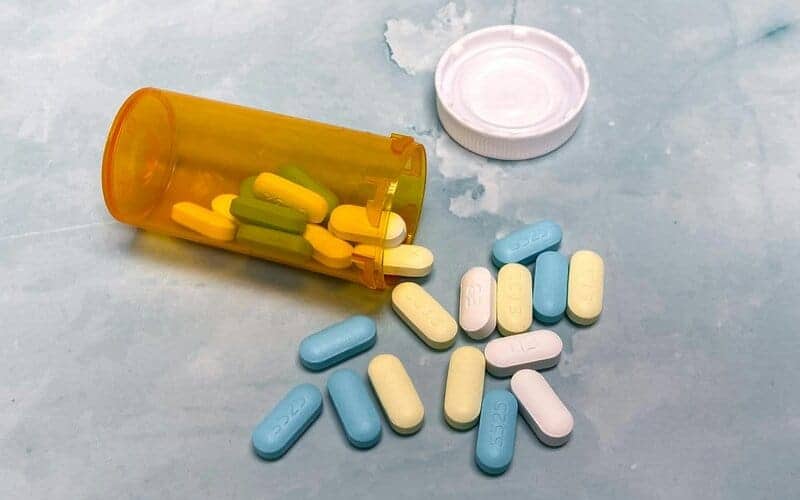 A close-up of opioid pills and benzodiazepine tablets scattered on a table, highlighting the risk of respiratory depression. | Photo by Etatics Inc. on Pexels
Taking opioids (such as oxycodone or hydrocodone) together with benzodiazepines (like diazepam or alprazolam) is a dangerously common—and often lethal—combination.
Both drug classes can severely suppress breathing, dramatically increasing the risk of fatal overdose.
According to the CDC, thousands of overdose deaths each year are linked to this deadly duo.
Many people end up with both prescriptions, unaware of the risks, making it critical for pharmacists to intervene before tragedy strikes.
6. Digoxin and Amiodarone
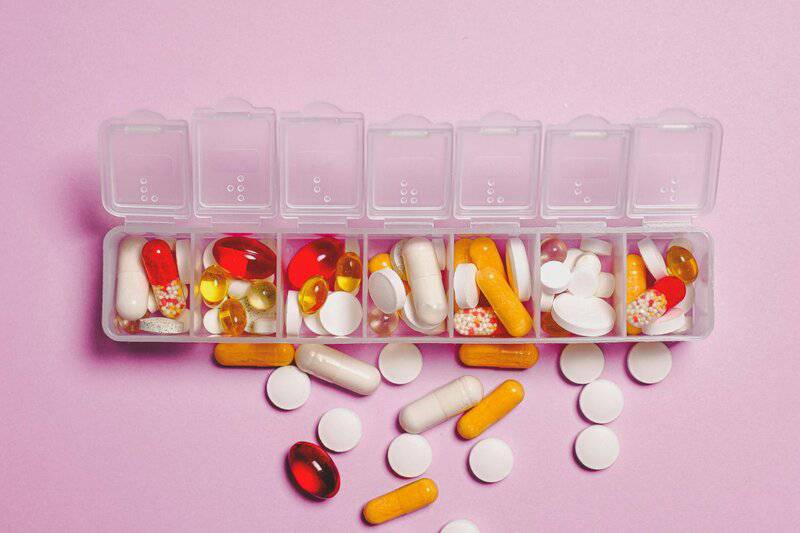 A close-up of digoxin and amiodarone pills next to an active EKG monitor displaying heart rhythms. | Photo by Anna Shvets on Pexels
Pairing digoxin, used to treat heart failure, with amiodarone can be hazardous.
Amiodarone significantly increases digoxin levels in the blood, risking digoxin toxicity—which can cause dangerous heart rhythms, nausea, and vision changes.
The American Heart Association recommends careful clinical management and close monitoring of digoxin levels whenever these drugs are used together to help avoid life-threatening complications.
7. Methotrexate and Trimethoprim
 A methotrexate bottle and trimethoprim tablets are displayed beside a detailed diagram of the human kidney. | Photo by Maksim Goncharenok on Pexels
When methotrexate, a chemotherapy and autoimmune drug, is taken with the antibiotic trimethoprim, the result can be devastating.
This combination can severely suppress bone marrow, leading to infections and bleeding, or even cause kidney failure.
According to the BMJ, these adverse effects often occur because the interaction is overlooked, particularly in outpatient settings.
Extreme care and vigilant monitoring are required whenever these drugs are prescribed together.
8. Antacids and Levothyroxine
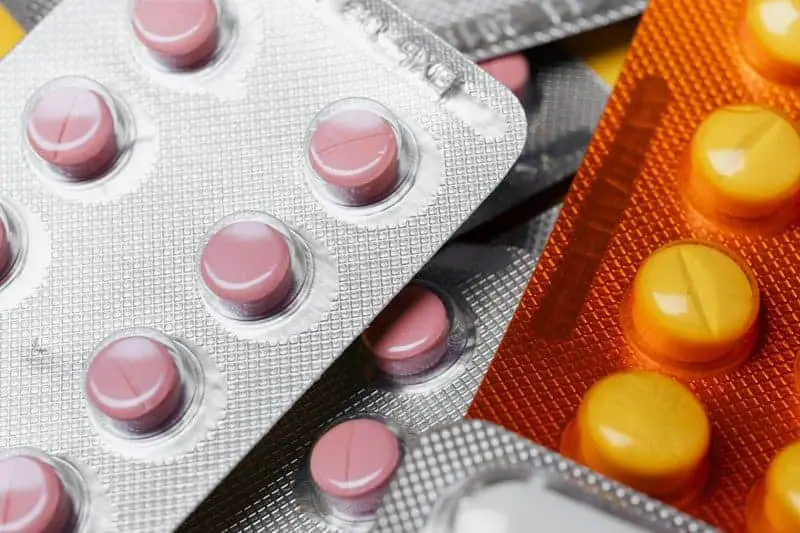 A close-up shows levothyroxine pills and antacid tablets beside a detailed model of the thyroid gland. | Photo by Photo By: Kaboompics.com on Pexels
Patients taking levothyroxine for thyroid disorders often don’t realize that common antacids containing calcium or iron can block its absorption.
This seemingly harmless combination can undermine thyroid treatment, leading to persistent fatigue, weight gain, and other symptoms of underactive thyroid.
The American Thyroid Association recommends spacing doses by several hours to avoid this problem—something pharmacists should always highlight during consultations.
9. Sildenafil and Nitrates
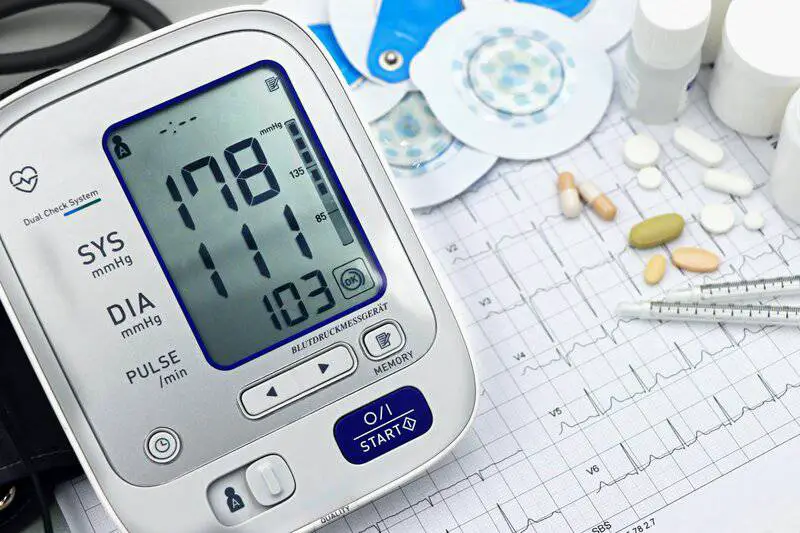 A close-up of sildenafil pills beside nitrate medication bottles, highlighting the risk of dangerously low blood pressure when combined. | Photo by Marta Branco on Pexels
Combining sildenafil (Viagra) or similar erectile dysfunction medications with nitrates prescribed for chest pain can have catastrophic results.
This pairing causes blood pressure to plummet to dangerous, even fatal, levels.
Patients may not always mention both drugs to their healthcare providers, not realizing the risk.
The Mayo Clinic strongly warns against ever mixing these medications, as the consequences can be immediate and deadly.
Pharmacists should always screen for this critical interaction.
10. Lithium and Diuretics
 A close-up of lithium tablets and diuretic pills side by side, highlighting the risk of lithium toxicity when combined. | Photo by Pixabay on Pexels
Mixing lithium, a mood stabilizer, with diuretics (water pills) can be extremely dangerous.
Diuretics can cause lithium to build up in the body, leading to toxicity that affects the brain, heart, and kidneys.
Warning signs include confusion, tremors, irregular heartbeat, and nausea.
The National Institutes of Health advises close monitoring and frequent blood tests for anyone prescribed both drugs, emphasizing the importance of pharmacist oversight.
11. Clopidogrel and Proton Pump Inhibitors
 Blister packs of clopidogrel tablets and omeprazole pills lay side by side, highlighting heart attack prevention medications. | Photo by Tara Winstead on Pexels
Patients taking clopidogrel (a blood thinner) for heart health may unknowingly reduce its effectiveness when they also use certain proton pump inhibitors (PPIs) like omeprazole.
This interaction can blunt clopidogrel’s ability to prevent blood clots, raising the risk of heart attack and stroke.
The FDA cautions against combining these drugs unless absolutely necessary, and pharmacists should alert patients to this hidden risk.
12. Calcium Channel Blockers and Grapefruit Juice
 A glass of fresh grapefruit juice sits beside a bottle of calcium channel blocker pills, highlighting a blood pressure interaction. | Photo by Engin Akyurt on Pexels
Few people realize that something as simple as grapefruit juice can dangerously amplify the effects of calcium channel blockers (used for blood pressure and heart issues).
This interaction can cause blood pressure to drop too low and trigger abnormal heart rhythms.
According to the FDA, pharmacists should always warn patients about avoiding grapefruit and related citrus while on these medications.
13. Metformin and Contrast Dye
 A close-up of metformin tablets placed beside a vial of contrast dye, ready for a medical imaging procedure. | Photo by Anna Shvets on Pexels
Combining metformin, a common diabetes medication, with contrast dyes used in imaging tests can set the stage for lactic acidosis—a rare but potentially fatal condition.
This risk is highest in those with reduced kidney function.
The American Diabetes Association recommends temporarily stopping metformin before and after procedures involving contrast dye to protect patients from harm, a crucial step pharmacists should reinforce.
14. Antidepressants and St. John’s Wort
 A selection of antidepressant pills is displayed alongside a bottle of St. John’s Wort herbal medicine on a table. | Photo by Pixabay on Pexels
Mixing prescription antidepressants with the popular herbal remedy St. John’s Wort can be a dangerous gamble.
This combination may trigger serotonin syndrome, a potentially life-threatening condition, or it may reduce the effectiveness of antidepressant medications.
The NIH Office of Dietary Supplements warns that patients often don’t mention herbal use to their pharmacist—making vigilance and open communication essential for safety.
15. Fluoroquinolones and Corticosteroids
 A close-up of fluoroquinolone antibiotic capsules and corticosteroid tablets beside a medical diagram highlighting a tendon injury. | Photo by cottonbro studio on Pexels
Taking fluoroquinolone antibiotics (like ciprofloxacin or levofloxacin) with corticosteroids significantly increases the risk of tendon rupture, particularly in older adults and those with kidney problems.
This dangerous side effect can occur suddenly and may require surgery or long-term rehabilitation.
The FDA urges providers and pharmacists to carefully review medication histories and warn patients about this rare but serious interaction.
16. Antipsychotics and QT-Prolonging Drugs
 A cluster of antipsychotic pills rests beside a printed EKG graph highlighting signs of heart arrhythmia. | Photo by Photo By: Kaboompics.com on Pexels
Combining antipsychotics (such as haloperidol or quetiapine) with other drugs that prolong the QT interval—like certain antibiotics, antidepressants, or heart medications—can set off dangerous heart arrhythmias.
One such arrhythmia, torsades de pointes, can be rapidly fatal if not treated immediately.
The American Heart Association highlights the need for careful medication review and monitoring to avoid this potentially deadly interaction, especially in people with underlying heart conditions.
17. Insulin and Beta Blockers
 A neatly arranged set of an insulin syringe, beta blocker tablets, and a blood sugar monitor on a clean surface. | Photo by Artem Podrez on Pexels
For those using insulin, adding beta blockers (commonly prescribed for heart conditions) can be risky.
Beta blockers may mask the typical warning signs of hypoglycemia—like rapid heartbeat—making low blood sugar episodes harder to recognize and treat in time.
The Mayo Clinic cautions patients and healthcare providers alike to be vigilant and adjust monitoring routines accordingly.
18. Carbamazepine and Macrolide Antibiotics
 Carbamazepine tablets and blister packs of macrolide antibiotics placed side by side, highlighting a potential drug interaction. | Photo by Michelle Leman on Pexels
Mixing carbamazepine—a medication for seizures and mood disorders—with macrolide antibiotics like erythromycin can dramatically raise carbamazepine levels in the blood.
This can lead to toxicity, with symptoms such as dizziness, blurred vision, unsteadiness, and even confusion.
The NIH recommends close monitoring and possibly adjusting the carbamazepine dose if these medications must be used together, underscoring the importance of pharmacist oversight.
19. Theophylline and Quinolone Antibiotics
 A close-up of theophylline tablets alongside quinolone antibiotics, highlighting their combination and potential risk for seizures. | Photo by Anna Shvets on Pexels
Pairing theophylline (used for asthma and COPD) with quinolone antibiotics like ciprofloxacin can dangerously increase theophylline levels in the body.
This interaction has been linked to seizures and life-threatening heart arrhythmias, as documented in several case reports.
The FDA recommends close monitoring and, if possible, choosing alternative antibiotics when patients are already taking theophylline.
20. Oral Contraceptives and Rifampin
 A pack of oral contraceptive pills and a bottle of rifampin rest beside a marked calendar, highlighting medication schedules. | Photo by Nataliya Vaitkevich on Pexels
A lesser-known but critical interaction occurs when oral contraceptives are taken with the antibiotic rifampin.
Rifampin speeds up the breakdown of hormones in birth control pills, drastically reducing their effectiveness and raising the risk of unexpected pregnancy.
The CDC recommends using alternative or additional non-hormonal contraception while on rifampin, a detail pharmacists and prescribers should always communicate clearly.
21. Methadone and SSRIs
 A bottle of methadone liquid and SSRI tablets rest beside an active ECG monitor displaying a patient’s heart rhythm. | Photo by fauxels on Pexels
Combining methadone (used for pain or opioid dependence) with SSRIs (such as fluoxetine or paroxetine) can cause methadone levels to rise dangerously.
This interaction increases the risk of heart rhythm disturbances—specifically QT prolongation—and even overdose.
The NIH stresses the importance of careful monitoring and dose adjustments when these medications are prescribed together, highlighting the need for pharmacist vigilance.
22. Anticoagulants and Herbal Supplements
 A bottle of anticoagulant pills sits beside herbal supplements, with a warning sign and drops of blood nearby. | Photo by Nataliya Vaitkevich on Pexels
People taking anticoagulants like warfarin often don’t realize that certain herbal supplements—including ginkgo biloba, garlic, and even ginger—can significantly increase bleeding risk.
These supplements can amplify the blood-thinning effects or interfere with the drug’s action, making minor injuries potentially dangerous.
The American Heart Association urges patients to always discuss supplement use with their pharmacist to avoid life-threatening complications.
23. Allopurinol and Azathioprine
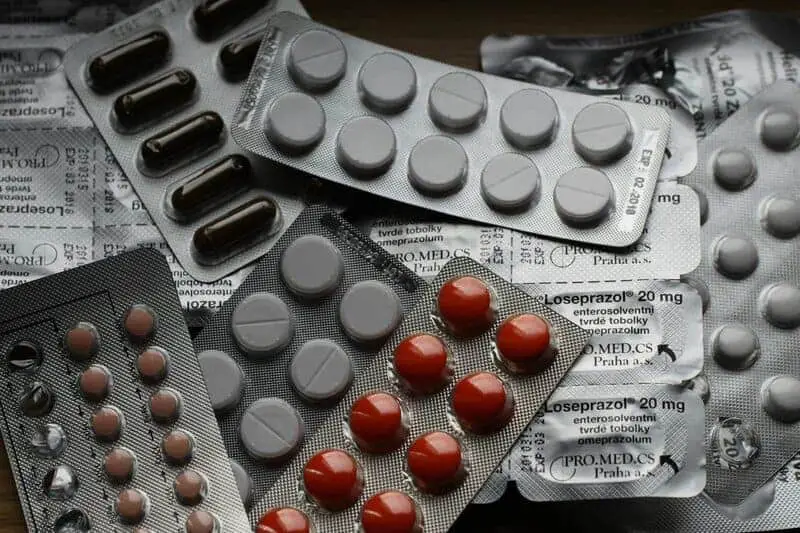 Allopurinol pills and azathioprine tablets are arranged beside a diagram highlighting the vital role of bone marrow. | Photo by Pixabay on Pexels
Pairing allopurinol (used for gout) with azathioprine (an immunosuppressant) can dramatically increase the risk of severe bone marrow suppression.
This interaction may cause dangerous drops in white blood cells, leading to infection, fatigue, or easy bruising.
The NIH recommends close monitoring or switching to alternative therapies if possible, and pharmacists should always alert patients to the warning signs of this potentially life-threatening reaction.
24. Monoamine Oxidase Inhibitors and Tyramine-Rich Foods
 A bottle of MAOI pills sits beside a wedge of aged cheese and a blood pressure monitor on a kitchen table. | Photo by Towfiqu barbhuiya on Pexels
Taking monoamine oxidase inhibitors (MAOIs) while eating foods high in tyramine—such as aged cheese, cured meats, and certain wines—can trigger a hypertensive crisis.
This sudden and severe spike in blood pressure can lead to stroke or heart attack, as seen in numerous real-life cases.
The Mayo Clinic stresses the importance of strict dietary precautions for anyone on MAOIs, advice pharmacists must echo at every prescription.
25. Phenytoin and Folic Acid
 Phenytoin tablets and folic acid pills are neatly arranged side by side, highlighting essential seizure management medications. | Photo by ready made on Pexels
Combining phenytoin, a medication used to control seizures, with folic acid supplements can reduce phenytoin’s effectiveness.
This interaction may lead to breakthrough seizures in patients who were previously well-controlled.
The Epilepsy Foundation recommends careful monitoring and dose adjustments if folic acid is needed, emphasizing the pharmacist’s role in patient education and safety.
26. Antihistamines and Alcohol
 A glass of amber-colored alcohol sits beside a pack of antihistamine tablets, highlighting the risk of drowsiness. | Photo by Marcelo Jaboo on Pexels
Mixing antihistamines (for allergies or colds) with alcohol can greatly increase drowsiness and impair motor skills.
This combination makes driving or operating machinery especially hazardous, significantly raising the risk of accidents and injuries.
According to the CDC, even small amounts of alcohol can intensify the sedative effects of antihistamines—an important warning pharmacists should always share.
27. Chemotherapy and Live Vaccines
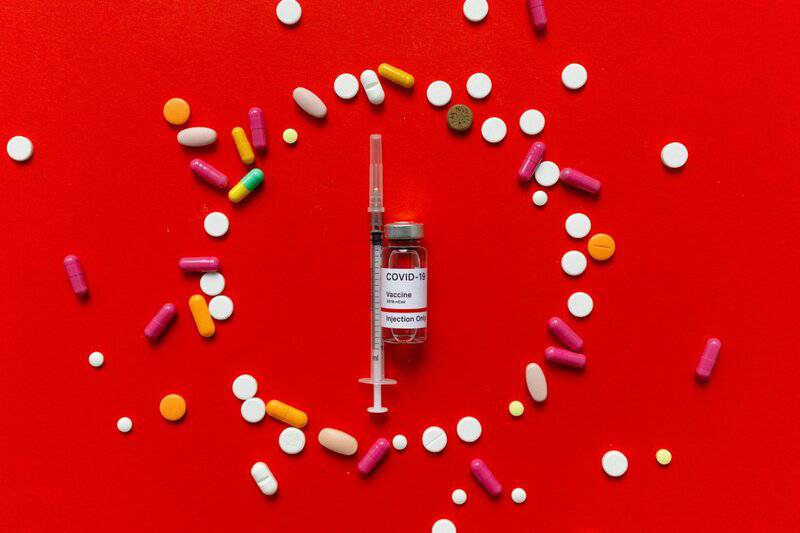 A nurse prepares a chemotherapy infusion beside a vaccine vial, symbolizing the fight to boost the immune system. | Photo by Maksim Goncharenok on Pexels
Administering live vaccines to patients undergoing chemotherapy can have dangerous consequences.
Because chemotherapy suppresses the immune system, the body is unable to safely handle even weakened viruses, leading to severe or uncontrolled infections.
The CDC strongly advises against giving live vaccines to anyone receiving active cancer treatment, making it essential for pharmacists to double-check immunization status and medication regimens.
Disclaimer
 A bold medical disclaimer appears on a digital screen, urging viewers to consult a doctor before following health advice. | Photo by Ivan Samkov on Pexels
This article is for informational purposes only and is not a substitute for professional medical advice, diagnosis, or treatment.
Always consult your doctor or pharmacist before starting, stopping, or combining medications.
Your health and safety depend on open communication with your healthcare providers—never hesitate to ask questions or seek clarification.

Vielleicht interessiert es Sie:
13 Extraordinary Giants Ready to Blow Your Mind! 🌍
10 Chonky Oddities That Will Leave You Speechless! 🤯
9 Unbelievable Absolute Units That Will Leave You Speechless! 🌟
10 Colossal Creatures That Will Leave You Speechless! 🐻
12 Shocking Absolute Units You’ll Have to See! 😲
12 Epic Absolute Units That Will Challenge Your Perceptions! 🔥
Uncover the 11 Ultimate Massive Oddities That Awe! 🌍
9 Unbelievable Oddities That Redefine ‚Massive‘! 🐉💎