

As we age, our bodies undergo changes that can make us more sensitive to certain medications.
Older adults often experience increased side effects or complications from drugs that are otherwise well tolerated by younger people.
To address these unique risks, experts have developed the Beers Criteria.
This widely respected guideline identifies medications that may pose more harm than benefit for those over 65.
Understanding these risks is essential for safer healthcare as we grow older.
1. Anticholinergic Medications
 An elderly person looks uncertain while holding a Benadryl box, surrounded by scattered antihistamine pills on the table. | Photo by SHVETS production on Pexels
Anticholinergic drugs, such as diphenhydramine (Benadryl), are commonly used for allergies or sleep.
However, in adults over 65, these medications can trigger confusion, constipation, and urinary retention, all of which increase the risk of dangerous falls.
Other examples include oxybutynin (for bladder control) and certain antidepressants like amitriptyline.
Safer alternatives are often available, such as loratadine for allergies or melatonin for sleep issues.
Choosing these options can help minimize side effects and support healthy aging.
2. Benzodiazepines
 A few benzodiazepine tablets rest beside a glass of water, offering relief for a senior coping with anxiety. | Photo by Gustavo Fring on Pexels
Benzodiazepines like diazepam (Valium) and lorazepam (Ativan) are often prescribed for anxiety or sleep problems.
Yet, for older adults, these sedatives can increase the risk of cognitive impairment, delirium, and falls.
Even short-term use may cause confusion or excessive drowsiness, leading to potentially serious injuries.
Non-drug therapies, such as cognitive-behavioral therapy or improved sleep hygiene, are recommended as safer alternatives for managing anxiety and insomnia in the elderly.
These approaches can reduce risks and support better health.
3. Non-Benzodiazepine Hypnotics
 A box of Ambien sleeping pills sits on a bedside table, offering relief for elderly insomnia sufferers. | Photo by Miguel Á. Padriñán on Pexels
Non-benzodiazepine hypnotics, such as zolpidem (Ambien), are frequently prescribed for insomnia and are often seen as safer than traditional sedatives.
However, older adults remain at high risk for side effects, including falls, fractures, and next-day drowsiness.
These drugs can also contribute to confusion and memory issues.
Instead, behavioral sleep interventions—like maintaining a regular sleep schedule or limiting screen time before bed—are proven to be safer and more effective in the long term for those over 65.
4. Tricyclic Antidepressants
 A prescription bottle spills antidepressant pills onto a table, highlighting the struggle of elderly depression and hope for relief. | Photo by Pixabay on Pexels
Tricyclic antidepressants, like amitriptyline and imipramine, can be especially risky for people over 65.
These medications have strong anticholinergic effects that may lead to low blood pressure, confusion, and dizziness.
Such side effects significantly increase the chance of falls and hospitalizations.
Newer antidepressants, including SSRIs such as sertraline or escitalopram, are generally safer and better tolerated by older adults, offering effective treatment with fewer dangerous complications.
5. Antipsychotics
 A nursing home caregiver gently offers antipsychotic medication pills to an elderly dementia patient seated at a table. | Photo by Michelle Leman on Pexels
Antipsychotic medications like haloperidol and risperidone are sometimes prescribed to manage behavioral symptoms in older adults, especially those with dementia.
However, these drugs can increase the risk of stroke, confusion, and even mortality in this population.
Because of these dangers, experts recommend non-pharmacologic strategies such as creating a calm environment, using structured routines, and providing reassurance for managing behavioral symptoms.
These approaches can help reduce distress without exposing older adults to significant health risks.
6. Sliding Scale Insulin
 An elderly person carefully prepares an insulin syringe beside a glucose meter, managing their diabetes with attentive care. | Photo by Nataliya Vaitkevich on Pexels
The use of sliding scale insulin—adjusting insulin doses based solely on current blood sugar readings—can be dangerous for older adults.
This practice often leads to unpredictable blood sugar swings and increases the risk of severe low blood sugar episodes (hypoglycemia), which may cause confusion, falls, or even hospitalization.
Instead, more stable diabetes management methods, such as consistent dosing and individualized nutrition plans, are recommended for seniors to help maintain safe and steady blood sugar levels.
7. Sulfonylureas
 An elderly person with diabetes checks their blood sugar beside a pack of sulfonylurea tablets on the table. | Photo by Artem Podrez on Pexels
Sulfonylureas, such as glyburide and glimepiride, are oral diabetes medications that can be particularly risky for adults over 65.
These drugs have a high risk of causing hypoglycemia (dangerously low blood sugar), which can lead to confusion, dizziness, or falls.
Safer alternatives—like metformin or DPP-4 inhibitors—are often preferred for seniors, as they provide effective blood sugar control while greatly reducing the risk of hypoglycemic episodes.
8. NSAIDs (Nonsteroidal Anti-Inflammatory Drugs)
 A bottle of NSAID pain relief pills sits beside a pair of elderly hands, offering comfort for aching joints. | Photo by Anna Shvets on Pexels
Common NSAIDs like ibuprofen and naproxen are widely used for pain relief, but for older adults, they carry serious risks.
These medications can cause stomach bleeding, kidney damage, and increased blood pressure, especially with prolonged use.
Instead of relying solely on these drugs, seniors are encouraged to explore non-drug pain management options such as physical therapy, gentle exercise, or heat and cold therapy to help manage chronic pain and reduce potential medication-related complications.
9. Muscle Relaxants
 An elderly person receives muscle relaxant pills from a caregiver, preparing for a physical therapy session to ease muscle pain. | Photo by Towfiqu barbhuiya on Pexels
Muscle relaxants such as cyclobenzaprine and carisoprodol are often prescribed for muscle spasms, but they can be problematic for older adults.
These medications frequently cause sedation, confusion, and dizziness, greatly increasing the risk of falls and injuries.
Because their benefits are limited and side effects substantial, physical therapy is recommended as a safer and more effective alternative for managing muscle pain or stiffness in seniors, promoting both safety and improved mobility.
10. Antihypertensives (Certain Types)
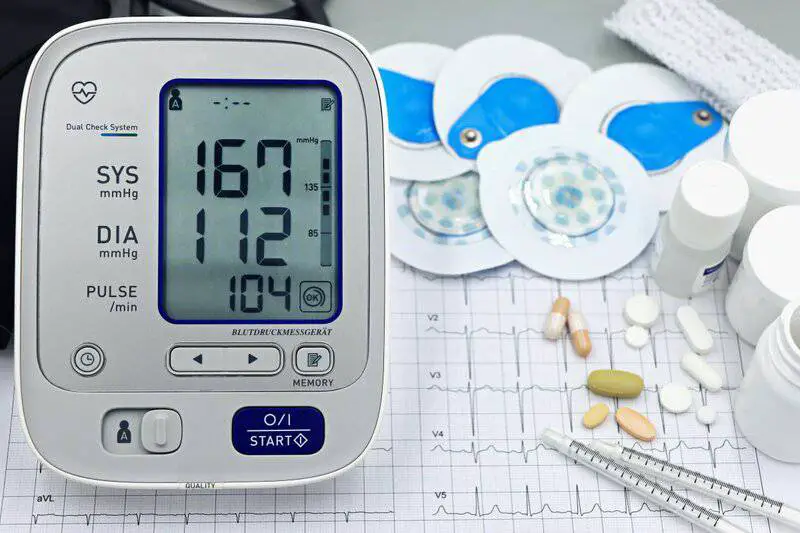 An elderly person sits with a blood pressure cuff on their arm, alpha-blocker pills nearby, looking slightly dizzy. | Photo by Marta Branco on Pexels
Some antihypertensive drugs, especially alpha-blockers like doxazosin and centrally acting agents such as clonidine, can cause dangerous drops in blood pressure for older adults.
These sudden changes may lead to dizziness, fainting, or falls.
For seniors, it’s essential to carefully monitor blood pressure and consider alternative medications with a lower risk of causing these complications.
Regular check-ins with a healthcare provider can help ensure blood pressure is managed safely and effectively.
11. Digoxin (High Dose)
 A close-up of digoxin tablets beside a heart monitor, highlighting essential medication in elderly cardiac care. | Photo by Towfiqu barbhuiya on Pexels
Digoxin is used to treat heart failure and certain irregular heartbeats, but doses higher than 0.125 mg/day can be risky for older adults.
Such doses significantly increase the risk of toxicity, confusion, and heart rhythm problems in seniors, whose bodies process medications more slowly.
It’s important for those taking digoxin to have regular monitoring of blood levels and kidney function, ensuring the medication remains both safe and effective for heart health.
12. First-Generation Antihistamines
 An elderly woman sits slumped in an armchair, an open antihistamine box nearby, her expression drowsy from allergies. | Photo by Yan Krukau on Pexels
First-generation antihistamines, such as chlorpheniramine and diphenhydramine, are known for their strong anticholinergic effects.
In older adults, these drugs can cause pronounced drowsiness, confusion, and dry mouth, which raises the risk of falls and cognitive problems.
Newer antihistamines such as loratadine or cetirizine are considered safer alternatives for allergy relief, offering effective symptom control with a much lower risk of these troublesome side effects.
13. Barbiturates
 Source: Unsplash
Barbiturates such as phenobarbital and secobarbital were once commonly used for anxiety, sleep disorders, and seizures.
However, in older adults, these drugs carry a high risk of overdose, dependence, and cognitive side effects.
The narrow margin between a therapeutic dose and a toxic dose makes them especially hazardous.
Today, safer alternatives for seizure management—like levetiracetam or lamotrigine—are generally preferred, providing effective control with a much lower risk profile for seniors.
14. Meperidine
 A meperidine vial and assorted opioid pills are arranged on a tray, highlighting options in elderly pain management. | Photo by Pietro Jeng on Pexels
Meperidine (also known as Demerol) is an opioid painkiller that poses significant risks for older adults.
This medication can lead to seizures, confusion, and agitation due to the way it is metabolized in the aging body.
Because of these dangers, meperidine is rarely recommended for seniors.
Other pain management options—such as acetaminophen for mild pain or carefully monitored use of other opioids—are considered much safer choices for effective and responsible pain control in those over 65.
15. Antispasmodics
 A hand arranges antispasmodic tablets next to a glass of water, emphasizing digestive health support for elderly constipation. | Photo by Kampus Production on Pexels
Antispasmodic medications such as hyoscyamine and dicyclomine are sometimes prescribed for gastrointestinal issues like irritable bowel syndrome.
However, in older adults, these drugs can worsen constipation, confusion, and urinary retention due to their strong anticholinergic effects.
Given these risks, newer treatments—including dietary changes, fiber supplements, and medications specifically targeted for gastrointestinal conditions—are often safer alternatives that provide relief without the significant side effects associated with traditional antispasmodics.
16. Estrogens (Oral and Patch Forms)
 An elderly woman compares a pack of hormone pills with an estrogen patch, considering her options for treatment. | Photo by Polina Tankilevitch on Pexels
Estrogen therapy, whether taken orally or via skin patches, is linked to an increased risk of stroke, blood clots, and certain types of cancer in older adults.
These risks often outweigh the potential benefits for most women over 65.
Healthcare providers now recommend discussing non-hormonal treatment options for managing menopausal symptoms or osteoporosis.
These alternatives can provide relief and support bone health, while avoiding the significant complications associated with prolonged estrogen use in seniors.
17. Androgens
 An elderly man carefully applies testosterone gel to his arm as part of his daily hormone replacement routine. | Photo by Kampus Production on Pexels
Androgen supplements, such as testosterone, are sometimes used to address fatigue or low libido in older men.
However, these medications can worsen heart disease, promote fluid retention, and increase the risk of prostate problems.
There is also growing concern about the misuse of testosterone for anti-aging purposes, which may lead to harmful side effects without proven long-term benefits.
Older adults should consult their healthcare provider and carefully weigh the risks before considering androgen therapy.
18. Proton Pump Inhibitors (Long-Term Use)
 An elderly person holds a PPI pill next to a glass of water, ready to ease digestive discomfort. | Photo by cottonbro studio on Pexels
Proton pump inhibitors (PPIs), such as omeprazole and esomeprazole, are effective for treating acid reflux and ulcers.
However, long-term use in older adults has been linked to bone fractures, kidney disease, and increased risk of infections like C. difficile.
Experts recommend that seniors regularly review the necessity and duration of PPI therapy with their healthcare provider, using the lowest effective dose for the shortest possible time to minimize these serious side effects.
19. Antithrombotics (Certain Types)
 A close-up of an elderly hand holding blood thinner pills, highlighting essential stroke prevention for seniors. | Photo by Nataliya Vaitkevich on Pexels
Antithrombotic agents such as ticlopidine were once prescribed to prevent strokes and blood clots.
However, in older adults, these drugs can significantly increase the risk of bleeding without providing clear additional benefit.
Because of these dangers, newer anticoagulants and antiplatelet agents—like clopidogrel or direct oral anticoagulants—are generally preferred options.
These alternatives offer effective protection with a more favorable safety profile for seniors who require blood-thinning medications.
20. Skeletal Muscle Relaxants
 Boxes of muscle relaxant medication rest beside a physical therapist’s hand, highlighting support for elderly patients at risk of falls. | Photo by Pixabay on Pexels
Skeletal muscle relaxants, including methocarbamol and tizanidine, are often prescribed for muscle spasms or pain.
However, in older adults, these medicines can cause sedation, confusion, and a heightened risk of falls.
The side effects often outweigh any potential benefits, especially for seniors who are already vulnerable to injury.
Physical therapy and gentle stretching are recommended over medication, as they effectively address muscle issues while minimizing risks to cognitive and physical health.
21. Peripheral Alpha-1 Blockers
 An elderly man sits on the edge of his bed, clutching a bottle of alpha blocker medication and looking dizzy. | Photo by Vlada Karpovich on Pexels
Peripheral alpha-1 blockers such as doxazosin and prazosin are sometimes used to treat high blood pressure or prostate enlargement in older adults.
However, these drugs can cause sudden drops in blood pressure, leading to fainting, dizziness, and increased risk of falls.
For managing hypertension in seniors, alternative medications like ACE inhibitors or low-dose thiazide diuretics are generally safer and more effective, helping to protect both heart health and overall mobility.
22. Oral Decongestants
 A selection of decongestant tablets and nasal spray sits beside an elderly person experiencing cold symptoms and seeking relief. | Photo by SHVETS production on Pexels
Oral decongestants such as pseudoephedrine and phenylephrine are commonly used for nasal congestion.
In older adults, these medications can raise blood pressure and worsen existing heart conditions, posing serious health risks.
Because of these concerns, non-drug options like saline nasal sprays or humidifiers are often recommended for relieving congestion.
These gentle alternatives offer symptom relief without the cardiovascular dangers associated with oral decongestants in seniors.
23. Antiemetics (Certain Types)
 A close-up of antiemetic pills beside a glass of water, highlighting nausea relief options and elderly medication risks. | Photo by Gustavo Fring on Pexels
Certain antiemetics, including promethazine and prochlorperazine, are sometimes used to manage nausea and vomiting.
In older adults, these medications can cause confusion, sedation, and abnormal muscle movements such as tremors or rigidity.
Because of these risks, healthcare providers often recommend safer anti-nausea options like ondansetron, which is less likely to cause cognitive or movement-related side effects in seniors who need relief from nausea.
24. Metoclopramide
 A box of metoclopramide digestive medication sits on a table, highlighting concerns about adverse effects in the elderly. | Photo by Kampus Production on Pexels
Metoclopramide is prescribed to treat gastrointestinal issues like nausea or gastroparesis.
However, in older adults, this medication can lead to serious movement disorders (such as tremors or uncontrollable muscle movements) as well as confusion and drowsiness.
Because these side effects are more common and severe in seniors, experts recommend that metoclopramide should only be used for short periods if absolutely necessary, and always under close medical supervision.
25. Nitrofurantoin
 A close-up view of nitrofurantoin capsules, a commonly prescribed antibiotic for urinary tract infections in elderly patients. | Photo by cottonbro studio on Pexels
Nitrofurantoin is an antibiotic often prescribed for urinary tract infections.
In older adults, especially those with reduced kidney function, this medication may not work effectively and can build up in the body, leading to lung problems, nerve damage, and other serious side effects.
Because of these risks, healthcare providers usually recommend alternative antibiotics or treatment options for seniors who need urinary tract infection management, ensuring both safety and effectiveness.
Disclaimer
 A doctor in a white coat points to an information icon beside a bold medical disclaimer on a digital screen. | Photo by Tima Miroshnichenko on Pexels
This list is intended for informational purposes only and should not replace professional medical advice.
Always consult your healthcare provider before making any medication changes or decisions.
Your health and safety deserve personalized, expert guidance every step of the way.

Vielleicht interessiert es Sie:
13 Extraordinary Giants Ready to Blow Your Mind! 🌍
10 Chonky Oddities That Will Leave You Speechless! 🤯
9 Unbelievable Absolute Units That Will Leave You Speechless! 🌟
10 Colossal Creatures That Will Leave You Speechless! 🐻
12 Shocking Absolute Units You’ll Have to See! 😲
12 Epic Absolute Units That Will Challenge Your Perceptions! 🔥
Uncover the 11 Ultimate Massive Oddities That Awe! 🌍
9 Unbelievable Oddities That Redefine ‚Massive‘! 🐉💎