
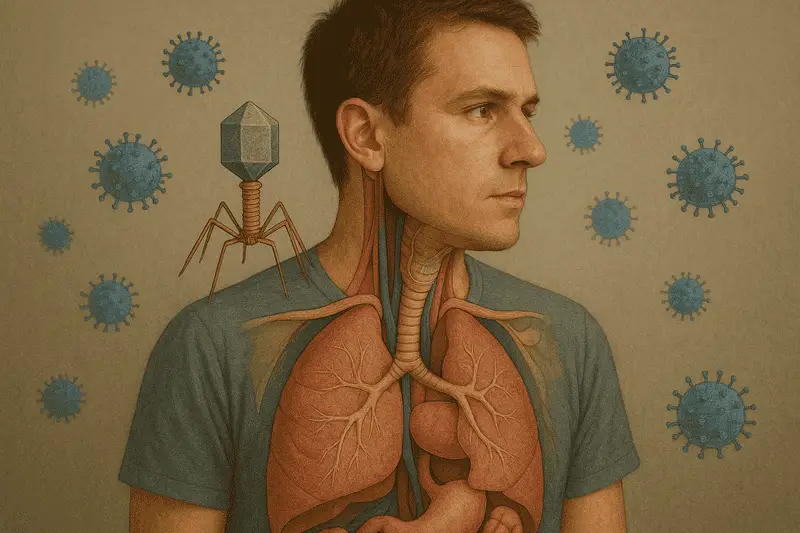
When most people hear the word virus, they think of illness and infection. But what if some viruses are actually essential to your health? Right now, trillions of beneficial viruses—especially a group called bacteriophages—are living inside your body, quietly helping you stay alive. Unlike the notorious germs that make headlines, these hidden allies work behind the scenes to support your well-being. Curious how these microscopic guardians operate? Let’s take a closer look at the crucial roles they play in maintaining your health.
1. Meet the Human Phageome
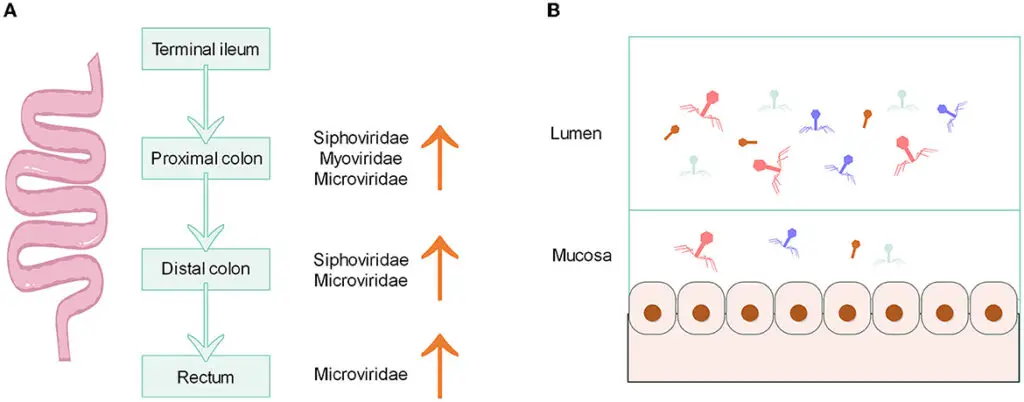 A detailed illustration of a bacteriophage virus interacting with microbes in the gut microbiome, viewed under a microscope. | Photo by frontiersin.orgKeep WatchingRussia pushes ‘Made in Moscow’ Fashion Week amid western isolation and ongoing warKeep WatchingRussia pushes ‘Made in Moscow’ Fashion Week amid western isolation and ongoing war00:00/00:54
The phageome is the vast community of bacteriophages—viruses that infect bacteria—living throughout your body. Remarkably, these tiny entities may outnumber even your own bacterial cells, forming a hidden network within your gut, mouth, and skin. Their primary job? Acting as nature’s regulators, they keep bacterial populations balanced and healthy, ensuring that no single species dominates. Learn more about the human phageome from Nature Reviews Microbiology.
2. Bacteriophages: Bacteria’s Natural Predators
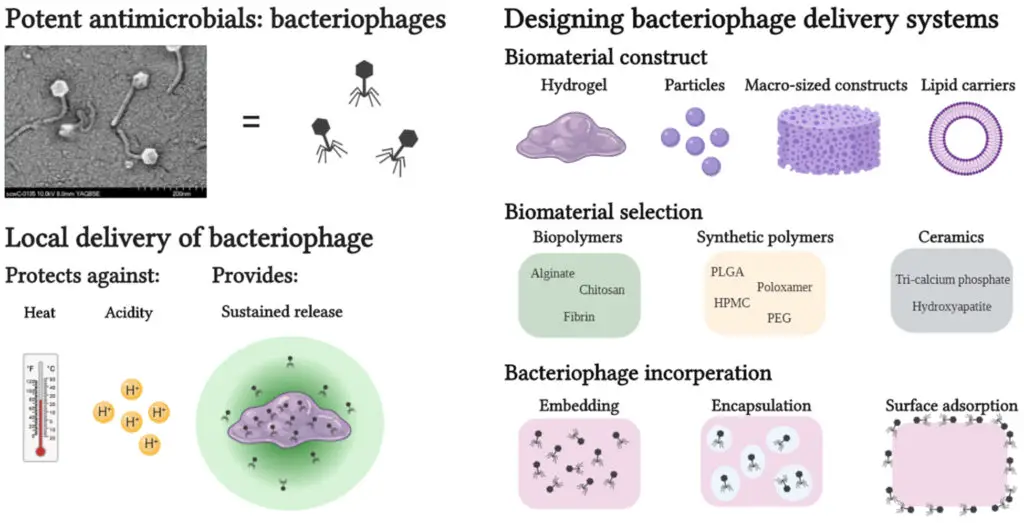 A bacteriophage latches onto bacterial cells, showcasing the potential of phage therapy to combat harmful bacteria. | Photo by frontiersin.org
Bacteriophages are highly specialized viruses that seek out and destroy specific bacteria—including those that can cause disease.
By targeting harmful bacteria, phages help prevent dangerous overgrowths and infections.
This natural predation is crucial for maintaining a healthy microbial balance inside your body.
Scientists at the NIH have found that these viruses act as a first line of defense, protecting us from potential pathogens every day.
3. Guardians of the Gut
 A detailed cross-section of the digestive system highlights the gut lining and thriving microbiome promoting digestive balance. | Photo by frontiersin.org
Inside your digestive system, bacteriophages act as vigilant guardians, shaping the delicate balance of your gut microbiome.
Much like probiotics promote good bacteria, phages help control the population of both helpful and harmful microbes—only with far greater precision.
Each phage targets specific bacterial strains, ensuring that your gut remains diverse and resilient.
According to Cell Press, this targeted regulation supports healthy digestion and can even protect against gastrointestinal disease.
4. Immune System Sidekicks
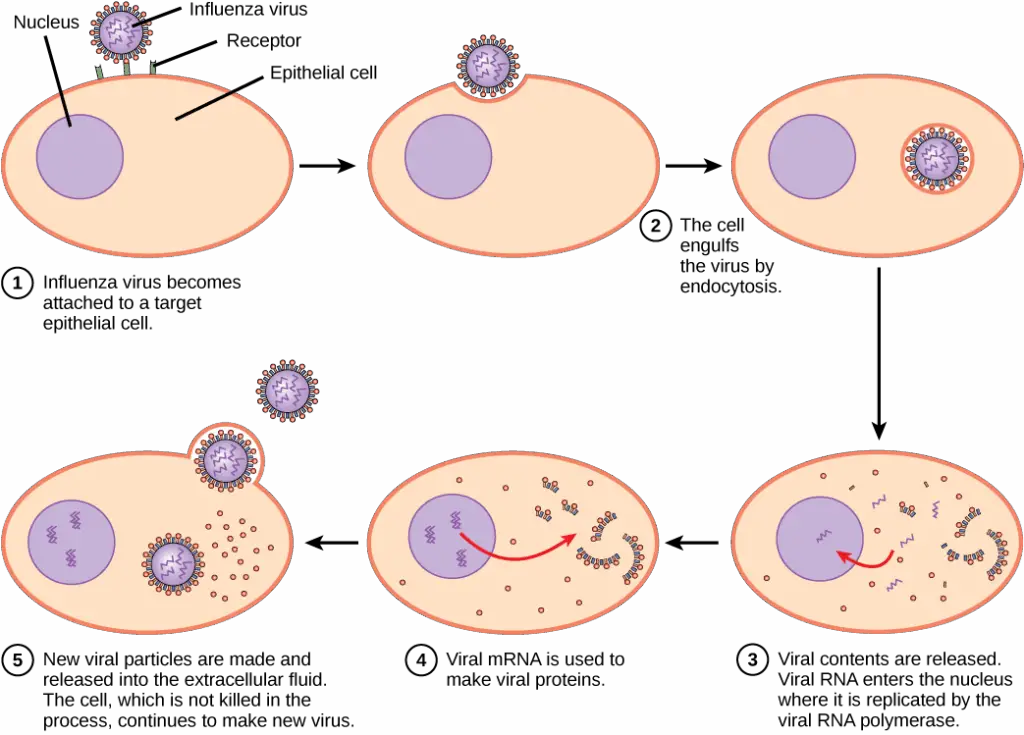 A dynamic scene of immune cells surrounding and attacking invading viruses, showcasing the body’s powerful immune defense in action. | Photo by philschatz.com
Bacteriophages aren’t just silent regulators—they also act as immune system sidekicks.
By interacting with immune cells, phages help stimulate immune responses and train your body to better recognize and eliminate bacterial threats.
Their role is similar to that of natural immune boosters, subtly enhancing your body’s defenses.
Research in Frontiers in Immunology highlights how these viruses support immune balance and resilience.
5. The Phage-Virus Difference
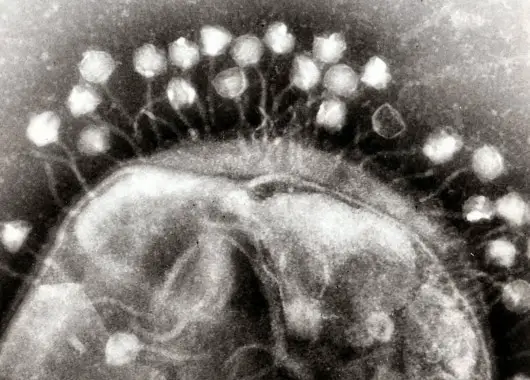 A side-by-side illustration contrasts a bacteriophage attacking a bacterium with a typical virus infecting a host cell. | Photo by microbioblog.es
It’s important to understand that bacteriophages are very different from viruses that infect humans.
While common viruses can cause illness, phages only target bacteria—they can’t infect human cells.
According to the CDC, this key distinction makes phages safe allies, not threats, in our bodies.
6. Keeping Pathogens at Bay
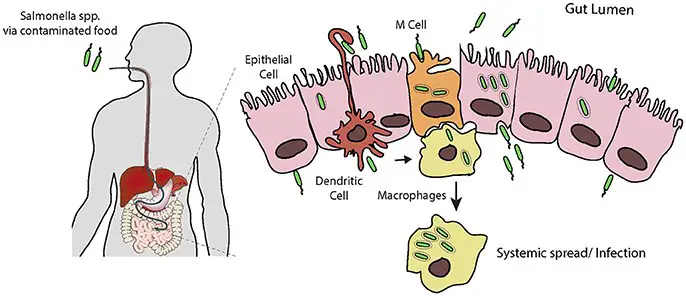 A microscopic view shows a phage attacking Salmonella bacteria, illustrating a cutting-edge approach to disease prevention. | Photo by frontiersin.org
One of the most remarkable powers of phages is their ability to specifically hunt down and destroy disease-causing bacteria, such as Salmonella and E. coli.
By targeting these pathogens, phages act as an internal security force, reducing the risk of infection and maintaining a healthy balance.
Science.org highlights how this natural defense system supports your body’s ongoing battle against harmful invaders.
7. Natural Antibiotic Alternatives
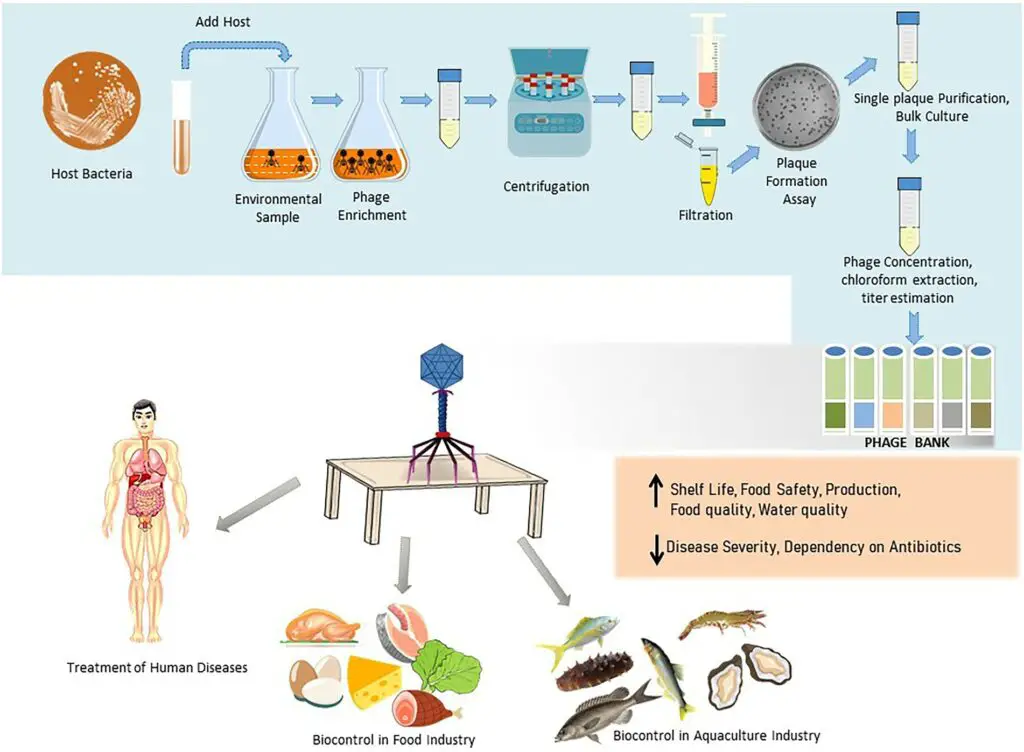 A scientist examines petri dishes under a microscope, exploring phage therapy as a solution to antibiotic resistance. | Photo by frontiersin.org
With antibiotic resistance on the rise, scientists are exploring phage therapy as a promising, natural alternative to traditional antibiotics.
Phages can precisely target harmful bacteria without disturbing beneficial microbes, making them powerful allies in the fight against drug-resistant infections.
The Mayo Clinic is one of many research centers championing this innovative approach.
8. Personalized Protection
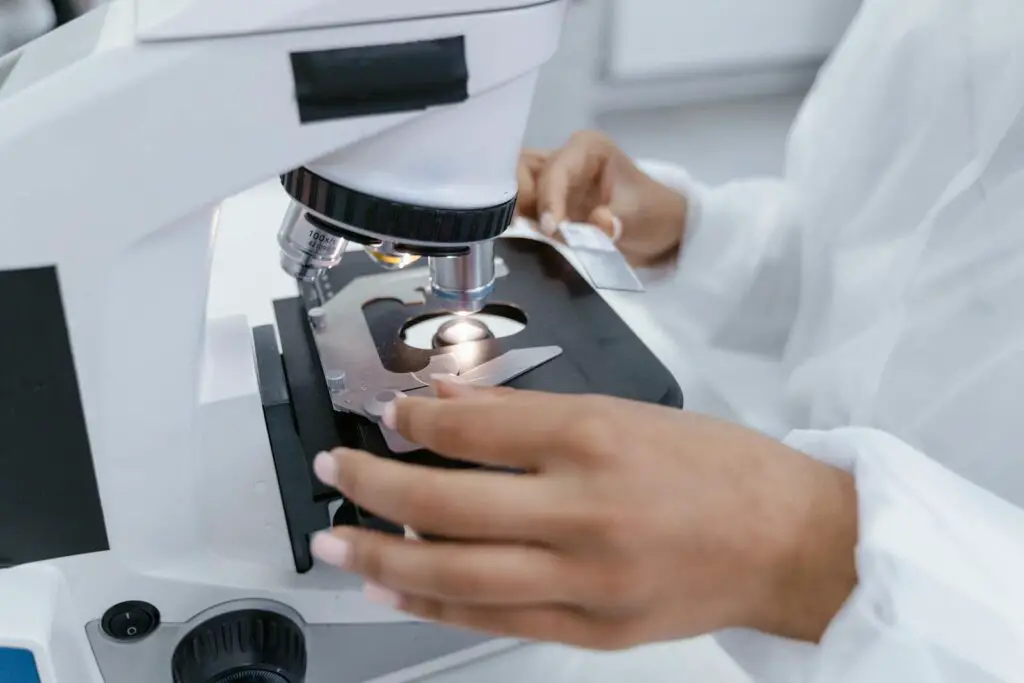 A scientist examines a glowing DNA strand surrounded by colorful microbes, highlighting personalized medicine and individual microbiome protection. | Photo by Tima Miroshnichenko on Unsplash
Fascinatingly, your phageome is as unique as your fingerprint. The specific mix of bacteriophages in your body adapts to your personal microbiome, providing a custom-made layer of protection against unwanted bacteria.
Think of it as your own biological security system, always adjusting to keep you safe.
Nature Microbiology explores how this individualized viral shield helps maintain your health in ways that are tailor-made just for you.
9. Influencing Mood and Brain Health
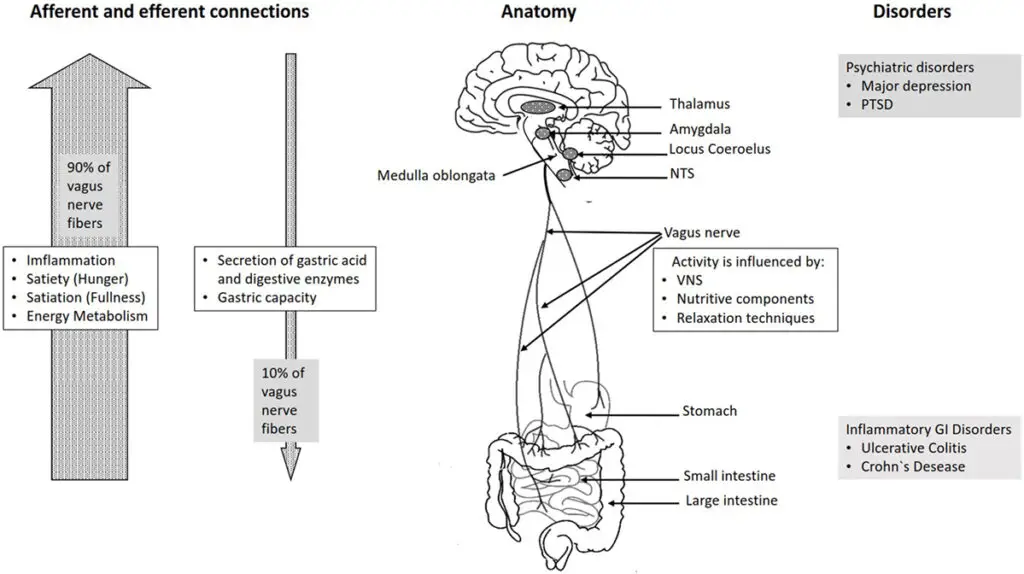 A vibrant illustration shows the brain and gut connected by swirling pathways, highlighting the microbiome’s impact on mental health. | Photo by frontiersin.org
Recent studies suggest that gut phages may have a surprising impact beyond digestion—they could influence your mood and brain health through the gut-brain axis.
Just like gut bacteria, these viruses might play a role in regulating neurotransmitters and mental well-being.
Harvard Health Publishing highlights this emerging area of research, revealing yet another way these microscopic allies may support your overall wellness.
10. Regulating Inflammation
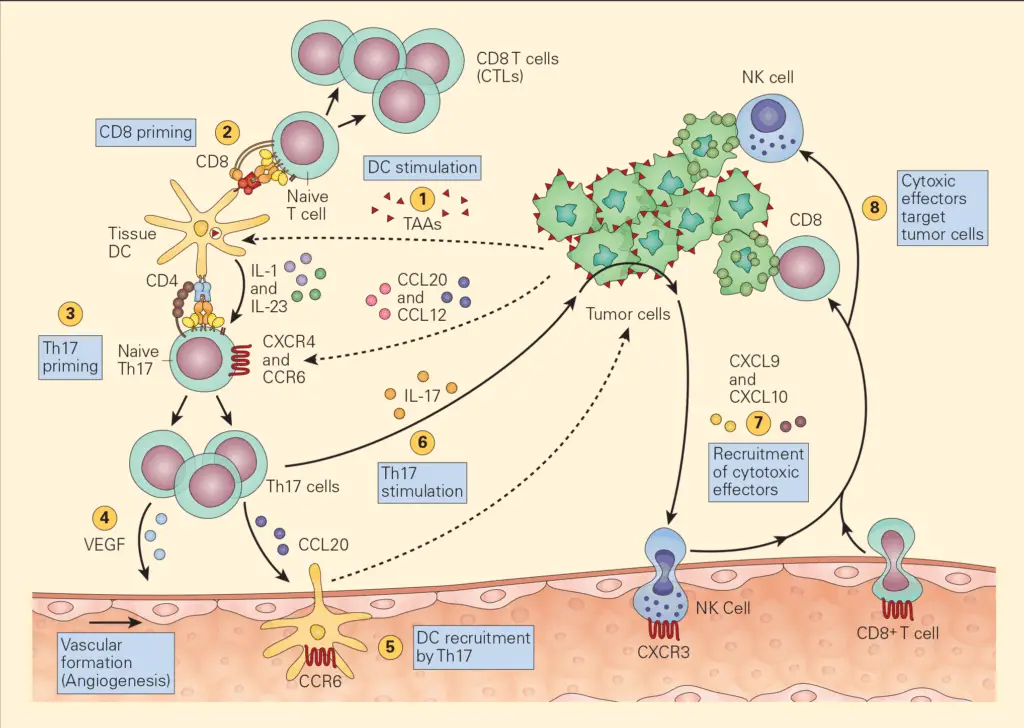 A dynamic scene showing phages interacting with immune cells, illustrating their role in inflammation and immune regulation. | Photo by immunopaedia.org.za
Some bacteriophages offer another important benefit: they may help regulate inflammation in the body.
By keeping harmful bacteria in check, phages can reduce inflammatory triggers, potentially playing a role in managing autoimmune conditions.
ScienceDirect reports that this balancing act might be crucial for those prone to chronic inflammation.
11. Supporting Nutrient Absorption
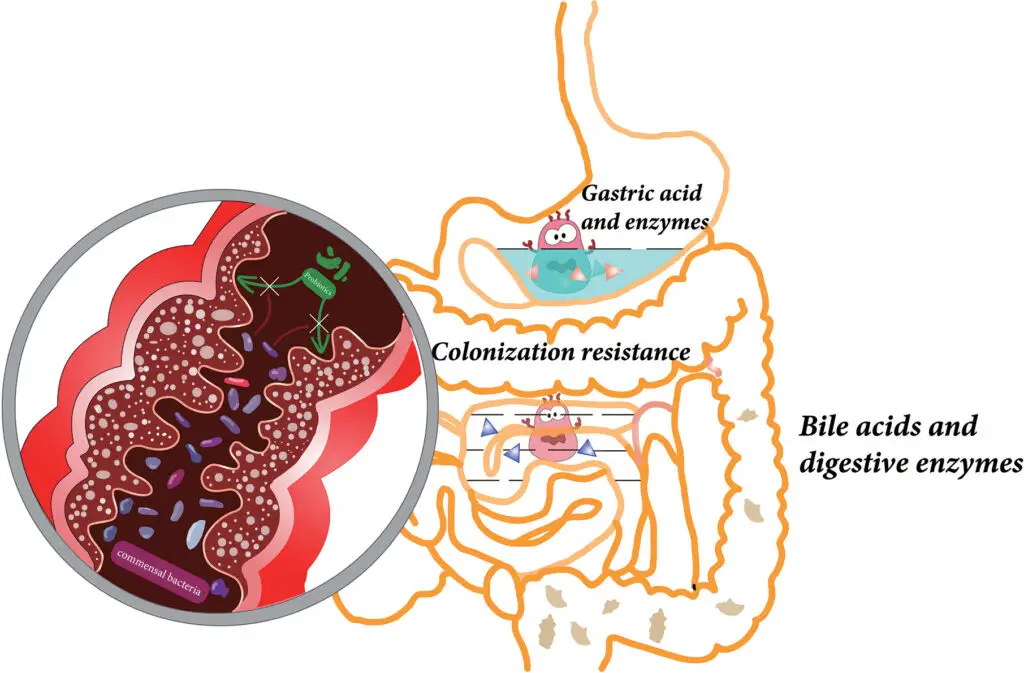 Colorful illustrations of gut phages interact with digestive bacteria along the intestinal lining, highlighting their role in nutrient absorption. | Photo by frontiersin.org
Bacteriophages also play a subtle but important role in ensuring your body gets the nutrients it needs.
By maintaining a balanced bacterial environment, phages help optimize gut function, making it easier to absorb essential vitamins and nutrients from food.
The Gut Microbes Journal highlights how this effect contributes to overall digestive health and vitality.
12. Breaking Down Harmful Biofilms
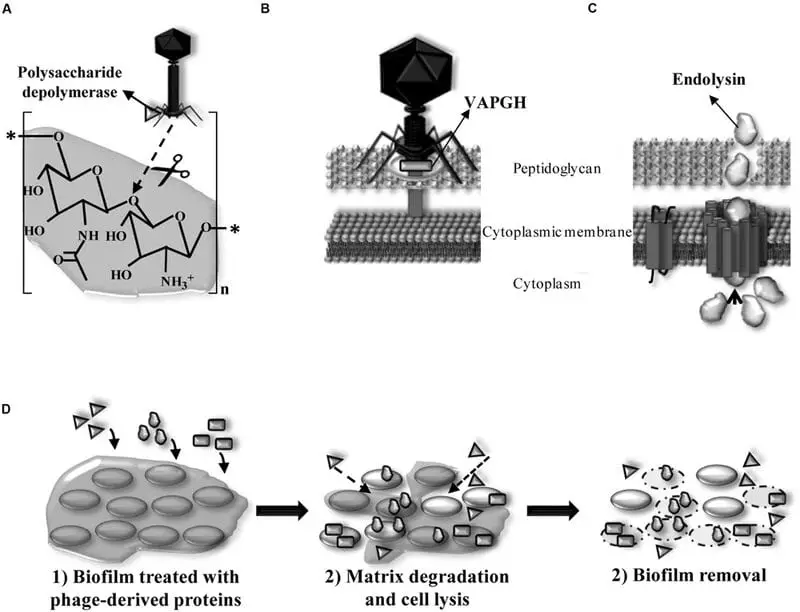 Phages attack and break apart dense bacterial biofilms, revealing disrupted clusters and clear patches on a laboratory surface. | Photo by frontiersin.org
One of the unique strengths of bacteriophages is their ability to break down bacterial biofilms.
These biofilms are tough, protective layers that help harmful bacteria resist antibiotics and immune attacks.
Phages can penetrate and disrupt these barriers, making it easier for your body to clear infections.
Nature Communications details how phages enhance our natural defenses by targeting these stubborn bacterial hideouts.
13. Evolutionary Co-Dependence
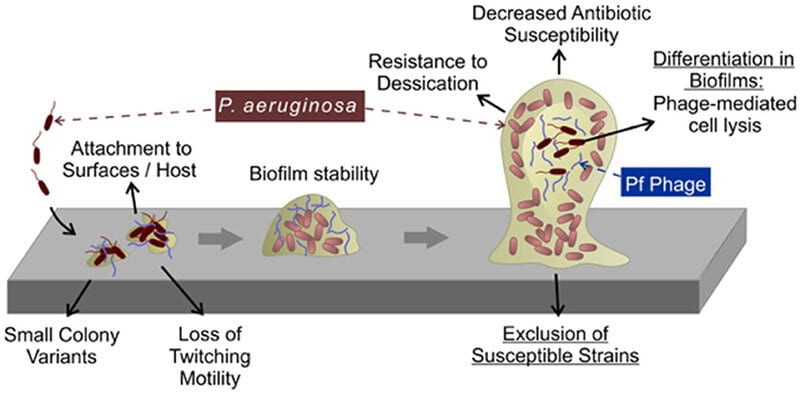 A striking illustration traces human evolution alongside colorful, intricate bacteriophages, highlighting the intertwined journey of humans and viruses. | Photo by frontiersin.org
Humans and bacteriophages have shared a co-evolutionary journey for thousands of years.
Over time, our bodies have learned to harness the protective abilities of phages, while phages thrive in our microbial ecosystems.
PLOS Biology explores this fascinating relationship, highlighting how both humans and phages benefit from this ancient partnership.
14. Limiting Antibiotic Overuse
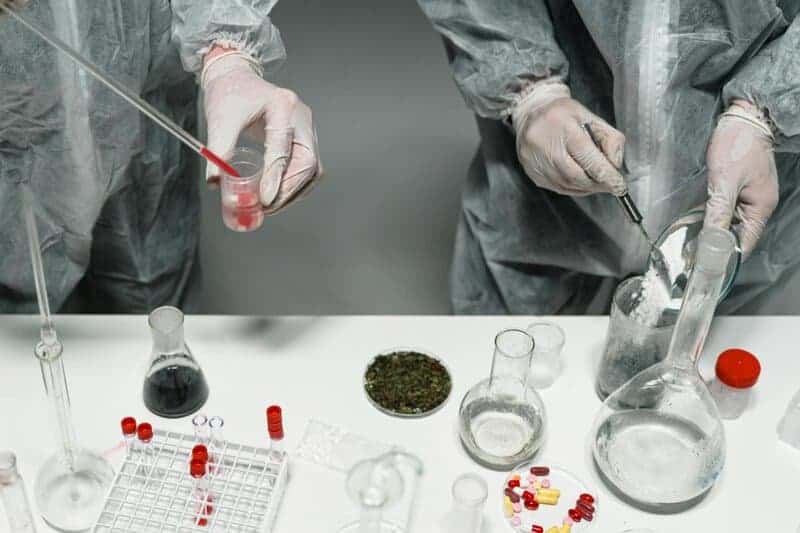 A scientist examines petri dishes illustrating antibiotic overuse, alongside vials of innovative phage therapy under bright lab lights. | Photo by MART PRODUCTION on Pexels
As antibiotic resistance becomes a global concern, the medical field is turning to phages as a smart solution for bacterial infections.
Using phages can help reduce our reliance on traditional antibiotics, preserving their effectiveness for when they’re truly needed.
The World Health Organization points to phage therapy as a promising advance in responsible infection control.
15. Fighting Superbugs
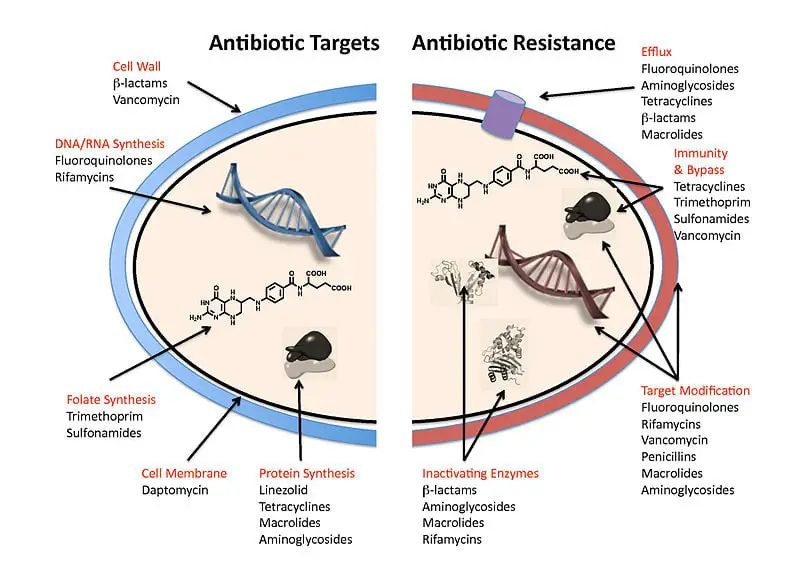 A scientist examines a petri dish where bacteriophages attack antibiotic-resistant superbugs, showcasing alternative therapies in action. | Photo by biol312.opened.ca
The rise of superbugs—bacteria that resist multiple antibiotics—has made phages more important than ever.
Researchers are using phages to target these dangerous pathogens, offering new hope where traditional treatments fail.
According to the CDC, phage therapy could become a critical tool in the global fight against resistant infections, helping protect us from some of today’s most serious health threats.
16. Safe for Human Cells
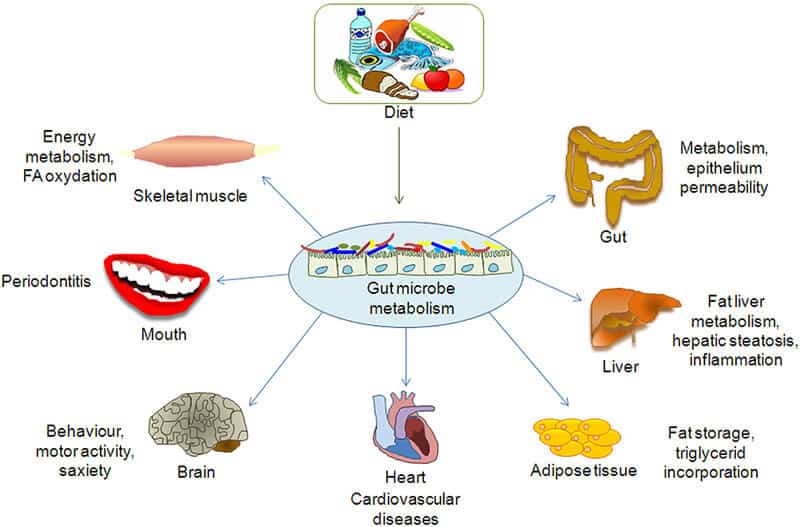 A friendly bacteriophage interacts with a healthy human cell, highlighting the safe relationship between phages and living tissue. | Photo by frontiersin.org
Unlike many chemical treatments, bacteriophages are harmless to human cells and tissues—they exclusively target bacteria.
This remarkable selectivity makes phages a safe option for therapeutic use, reducing the risk of side effects.
As Stat News explains, phages offer a gentle, yet powerful, solution for managing infections.
17. Environmental Cleanup Agents
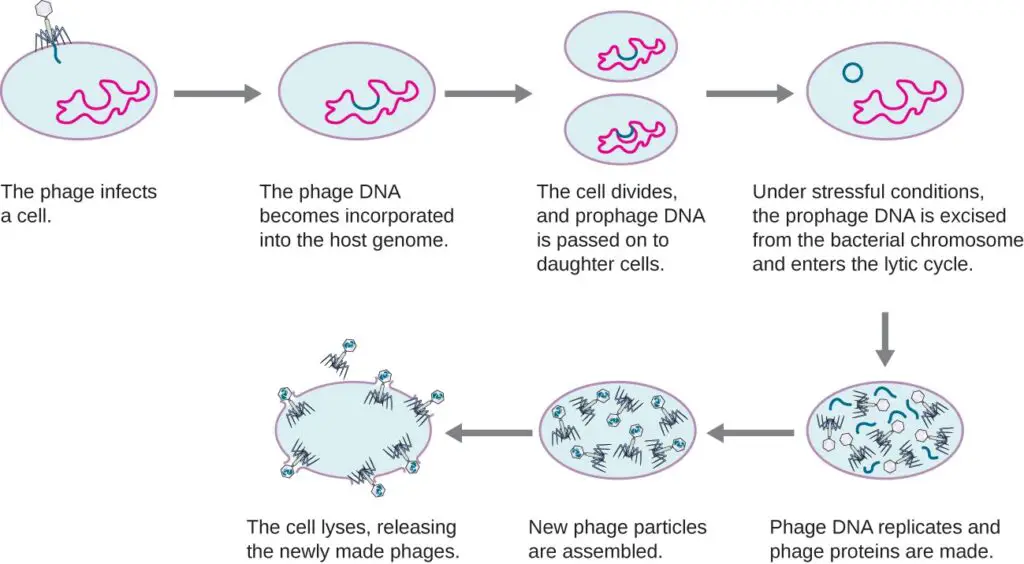 A scientist examines clear vials of water containing phages, highlighting innovative approaches to hospital disinfection and food safety. | Photo by nursinghero.com
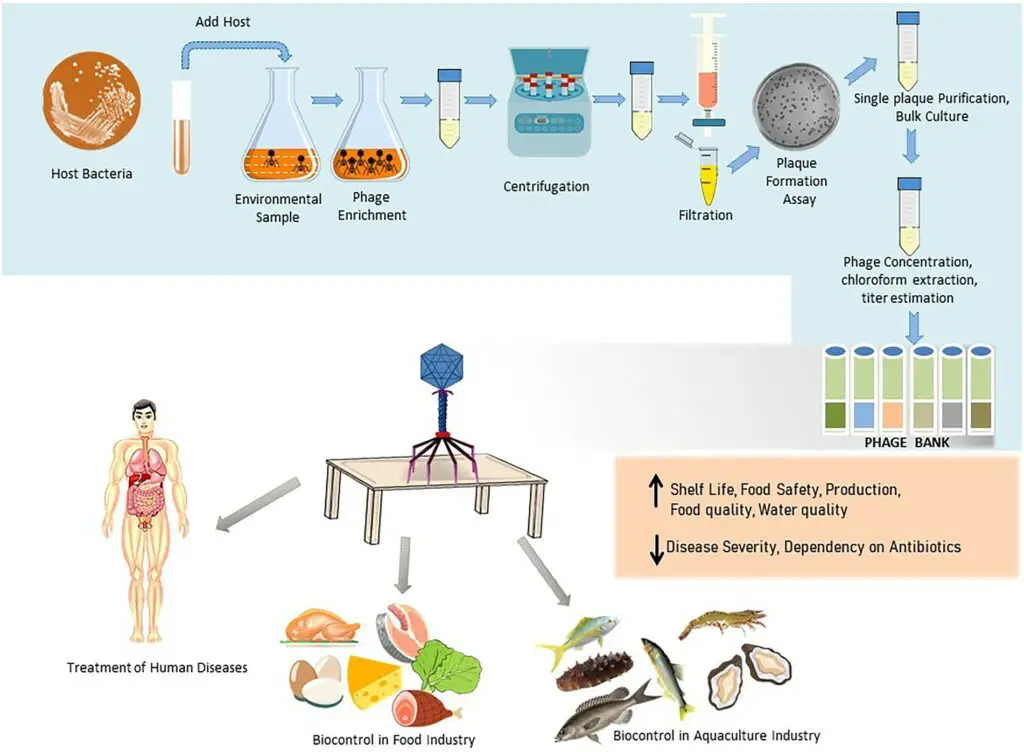
Bacteriophages aren’t just working inside our bodies—they’re also being studied as environmental cleanup agents.
Researchers are exploring how phages can safely eliminate harmful bacteria from food, water supplies, and even hospital surfaces, helping to prevent the spread of infections.
The FDA highlights the growing role of phages in keeping our environments cleaner and safer.
18. Shaping Infant Health
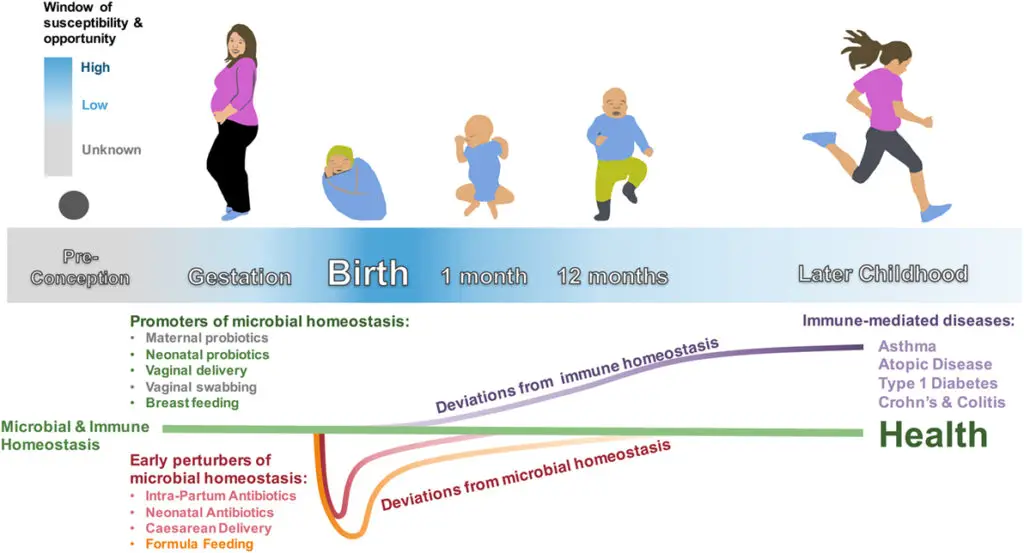 A curious baby smiles while colorful illustrations of gut microbes swirl around, highlighting the foundations of early immunity. | Photo by frontiersin.org
Fascinating research reveals that infants inherit a unique set of bacteriophages from their mothers at birth.
These early viral companions play a crucial role in shaping the newborn’s gut microbiome and supporting the development of a healthy immune system.
According to Nature Medicine, this inherited “starter kit” of phages may influence lifelong gut health and disease resistance.
19. Potential Cancer Fighters
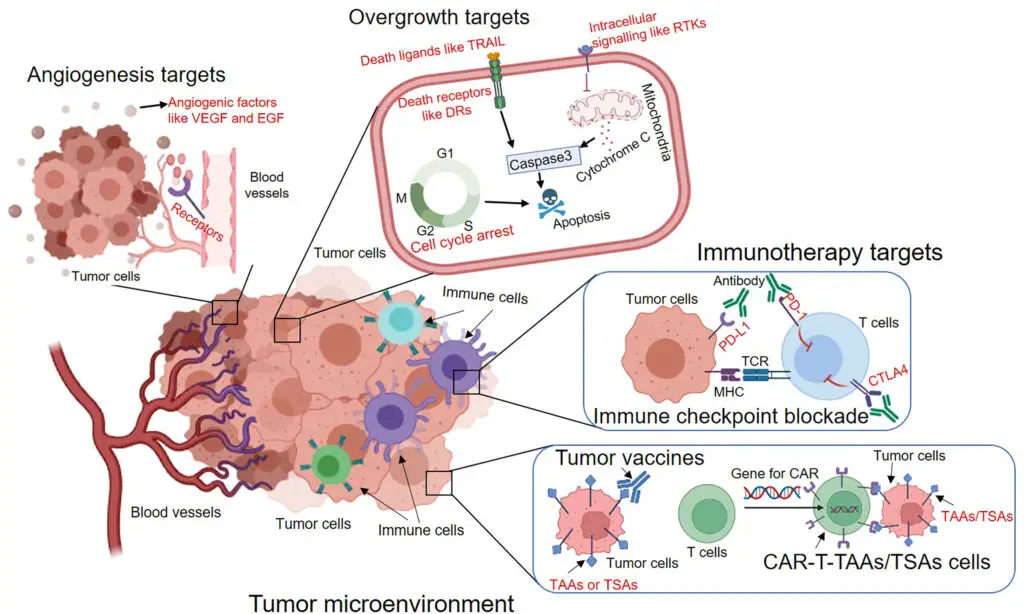 A close-up view of cancer cells being targeted by innovative phage therapy, illustrating a breakthrough in medical treatment. | Photo by frontiersin.org
Exciting new research is exploring how engineered bacteriophages could be harnessed to fight cancer.
Scientists are designing phages to deliver therapeutic agents directly to tumor cells, offering a precise and personalized approach to cancer treatment.
Early results, as reported in Science Translational Medicine, are promising, suggesting that phage-based therapies might one day complement or even transform traditional cancer care.
20. A Hidden World, Vital to Survival
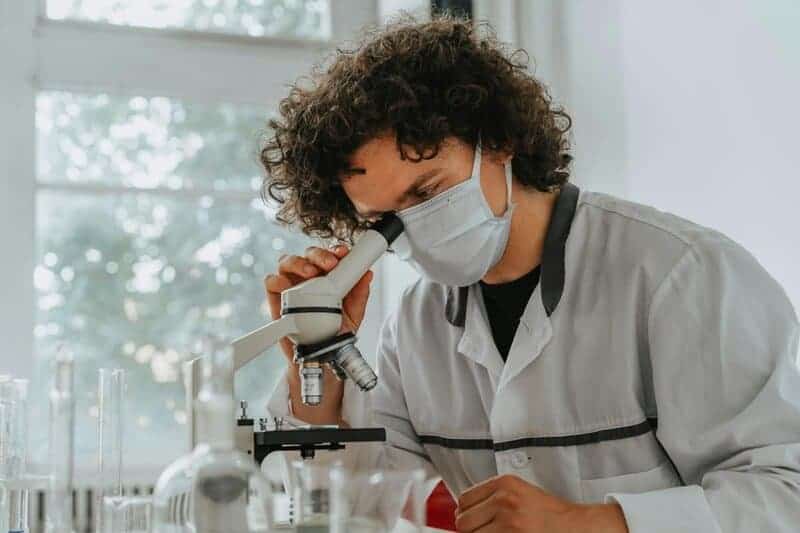 A vibrant, magnified view reveals invisible allies—beneficial microbes working behind the scenes to support human health. | Photo by olia danilevich on Pexels
Beneath the surface, a vast and unseen world of bacteriophages is working tirelessly to protect and nurture us.
These invisible allies are vital for preserving our health, defending against disease, and even influencing the course of human evolution.
As The Scientist Magazine notes, without this intricate viral community, our bodies would be far more vulnerable—reminding us just how essential these hidden helpers truly are.
Conclusion
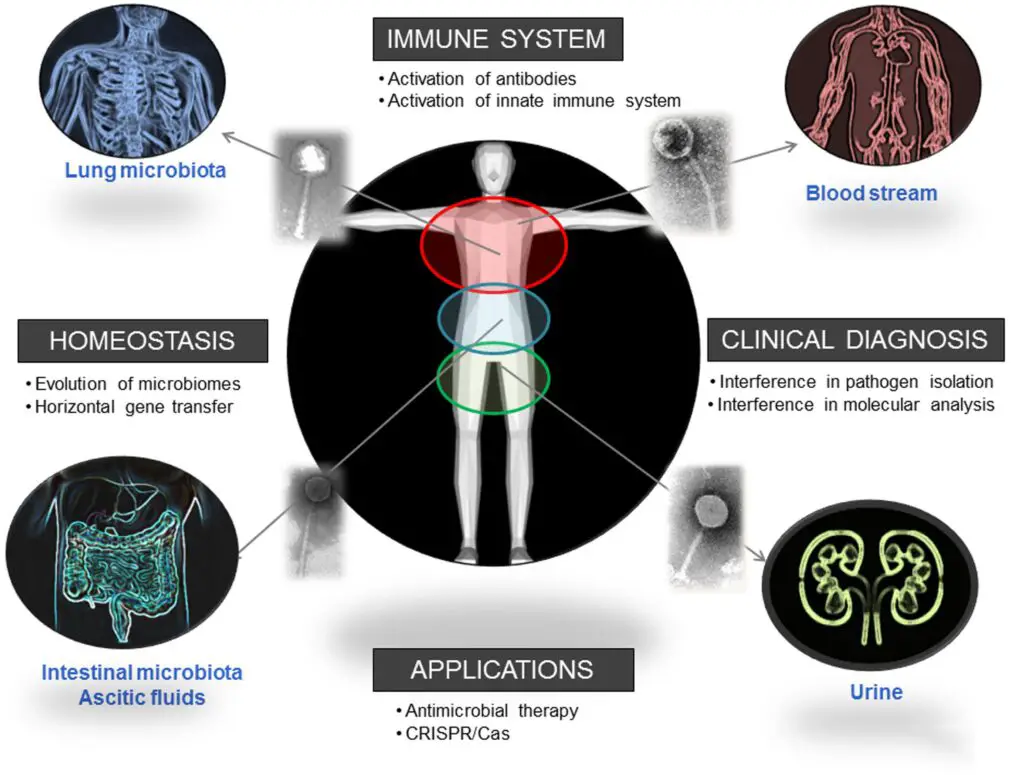 A vibrant illustration summarizes human body health, featuring colorful phages interacting with cells and biological systems. | Photo by frontiersin.org
The next time you think of viruses, remember the remarkable bacteriophages quietly working for your well-being.
These natural protectors help maintain balance, support your immune system, and stand guard against disease—proving that not all viruses are foes.
Ongoing research continues to reveal new benefits and possibilities for these hidden allies.
By appreciating and understanding the phages within us, we open the door to healthier futures and innovative medical advances.
Disclaimer
 A bold health warning and medical disclaimer appear on a white background, alerting readers to important information. | Photo by jackbrummet.blogspot.com
This article is for educational purposes only and is not a substitute for professional medical advice, diagnosis, or treatment.
Always consult a healthcare provider for questions about your health or before considering new therapies.

Vielleicht interessiert es Sie:
13 Extraordinary Giants Ready to Blow Your Mind! 🌍
10 Chonky Oddities That Will Leave You Speechless! 🤯
9 Unbelievable Absolute Units That Will Leave You Speechless! 🌟
10 Colossal Creatures That Will Leave You Speechless! 🐻
12 Shocking Absolute Units You’ll Have to See! 😲
12 Epic Absolute Units That Will Challenge Your Perceptions! 🔥
Uncover the 11 Ultimate Massive Oddities That Awe! 🌍
9 Unbelievable Oddities That Redefine ‚Massive‘! 🐉💎