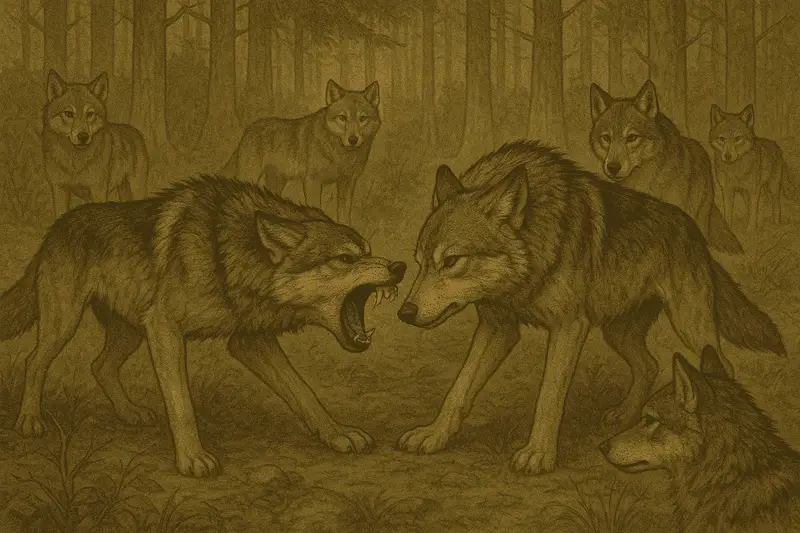
In the wild, alpha individuals are often seen as the backbone of animal packs—leading, protecting, and keeping order within the group.
But what really happens when these dominant figures suddenly vanish?
Driven by curiosity, scientists have begun systematically removing alphas from various animal societies to observe the aftermath.
Their discoveries have shattered old assumptions about hierarchy, revealing a world of surprising adaptations, shifting alliances, and unexpected role reversals.
As we explore these 24 shocking pack dynamics, you’ll see just how complex and unpredictable social life becomes when the alpha is gone.
1. Leadership Vacuum and Initial Chaos
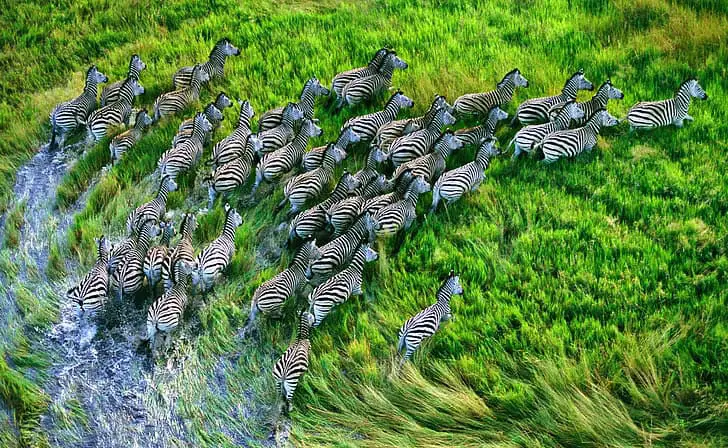 A group of animals stands in disarray, uncertain and restless as leadership struggles fuel the growing chaos. | Photo by wallpaperflare.com
When the alpha is removed, packs often plunge into disarray. Studies on wolves and wild dogs have observed an immediate spike in confusion and open conflict as individuals jostle for dominance or simply struggle to adapt.
Without a guiding presence, the group’s structure destabilizes rapidly, leading to unpredictable skirmishes and shifting alliances.
According to National Geographic, this initial period can be tumultuous, highlighting just how central the alpha’s role is in maintaining order.
2. Emergence of Multiple Sub-Leaders
 A diverse group of leaders and sub-leaders gather around a table, collaborating and sharing ideas in a dynamic meeting. | Photo by RDNE Stock project on Pexels
Rather than a single successor, packs often see the rise of multiple sub-leaders following the alpha’s removal.
This decentralized leadership can create a patchwork of temporary coalitions, with different individuals taking charge of specific activities or decisions.
Research on African wild dogs reveals that these animals may even “vote” on group actions, forming alliances to steer the pack’s direction.
As noted by Smithsonian Magazine, this collaborative model often persists until a new hierarchy stabilizes.
3. Heightened Social Tension and Aggression
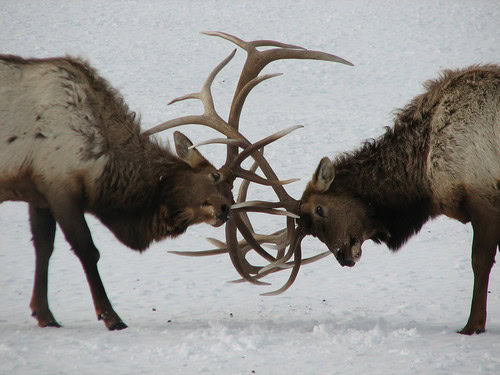 Two powerful animals clash in a fierce display of aggression, each vying for dominance in a dramatic showdown. | Photo by flickr.com
After the alpha’s departure, social tension within the pack often surges.
Aggressive behaviors—such as fights, posturing, and dominance displays—become more frequent as individuals jockey for status or influence.
This spike has been documented not only in wolves but also in primate groups.
According to ScienceDirect, the struggle for new leadership can result in injuries and ongoing unrest, further destabilizing the group’s cohesion.
4. Increased Vocal Communication
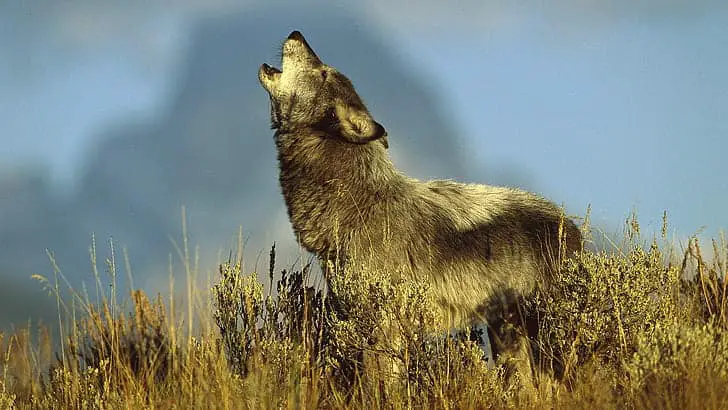 A pack of wolves lifts their heads to the sky, howling together in a powerful display of animal communication. | Photo by wallpaperflare.com
With the alpha gone, packs often experience a surge in vocalizations as members attempt to coordinate movements and assert social status.
Howling, barking, and other calls become more frequent and intense, serving as both rallying cries and challenges.
As documented in wolves and coyotes by BBC Earth, these vocal exchanges help maintain some semblance of order amid the turmoil.
5. Shifts in Pack Cohesion
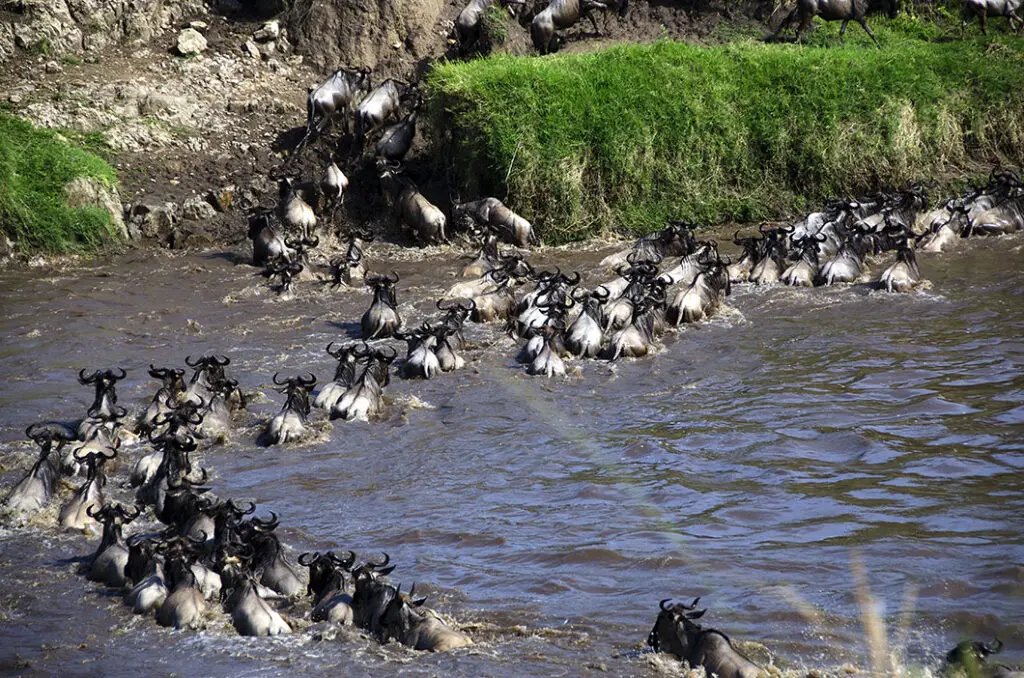 Source: theurgetowander.com
The removal of an alpha can lead to dramatic changes in pack cohesion.
Some groups become fragmented, with individuals or subgroups splintering off to seek independence or new leadership.
Conversely, other packs may draw closer together, seeking comfort and stability through tighter bonds.
Research on wolves and elephants highlights both responses, showing that each group’s reaction depends on its unique social fabric.
As noted by Science Magazine, the alpha’s influence can linger long after their departure.
6. Unexpected Rise of Female Leaders
 A commanding female wolf stands at the forefront, confidently leading her matriarchal pack through the forest. | Photo by fauxels
One of the most unexpected shifts occurs when females step into leadership roles after the alpha’s removal.
In matriarchal species like elephants and spotted hyenas, this transition is more common, yet even in traditionally male-led packs such as wolves, females have been observed guiding group decisions and asserting authority.
These changes challenge long-standing assumptions about gender and dominance in animal societies.
As National Geographic details, the rise of female leadership can bring stability and new strategies to the group.
7. Increased Stress Hormones in Subordinates
 A wide-eyed animal crouches nervously, embodying the effects of stress hormones like cortisol in action. | Photo by Mental Health America (MHA) on Pexels
Removing the alpha doesn’t just impact leadership—it also triggers a spike in stress hormones among subordinate pack members.
Researchers have documented elevated cortisol levels in wolves and primates after such disruptions, suggesting heightened anxiety and uncertainty.
This physiological response reflects the turbulence and unpredictability that follows the loss of a dominant figure.
According to PNAS, these effects can linger, affecting health and social interactions throughout the pack.
8. Breakdown of Hunting Coordination
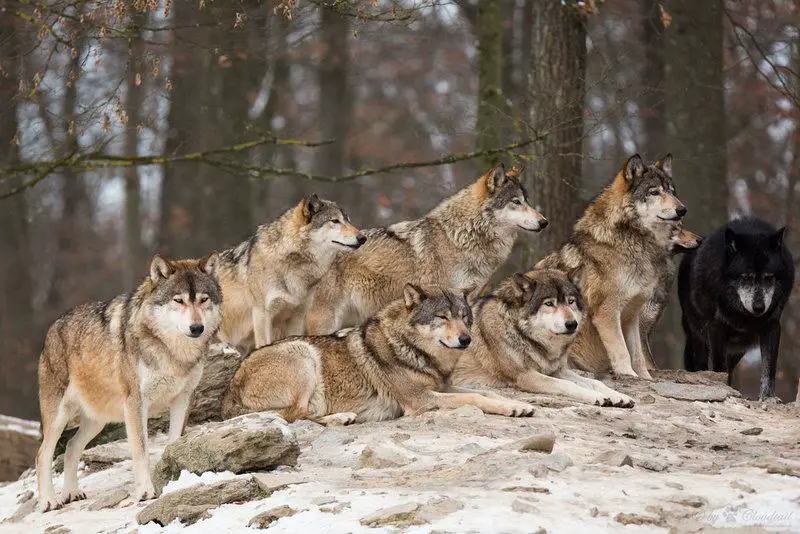 A group of determined wolves regroups in the grass after a cooperative yet unsuccessful chase for prey. | Photo by flickr.com
Without a clear leader, packs frequently experience a breakdown in hunting coordination.
Studies on wolves and African wild dogs have shown that the absence of an alpha disrupts the finely tuned teamwork required for successful hunts.
Members may hesitate, act independently, or miscommunicate, resulting in fewer captures and missed opportunities.
Research published in Nature highlights how this lack of direction can put the entire group’s survival at risk, impacting both food supply and group morale.
9. Delayed Decision-Making
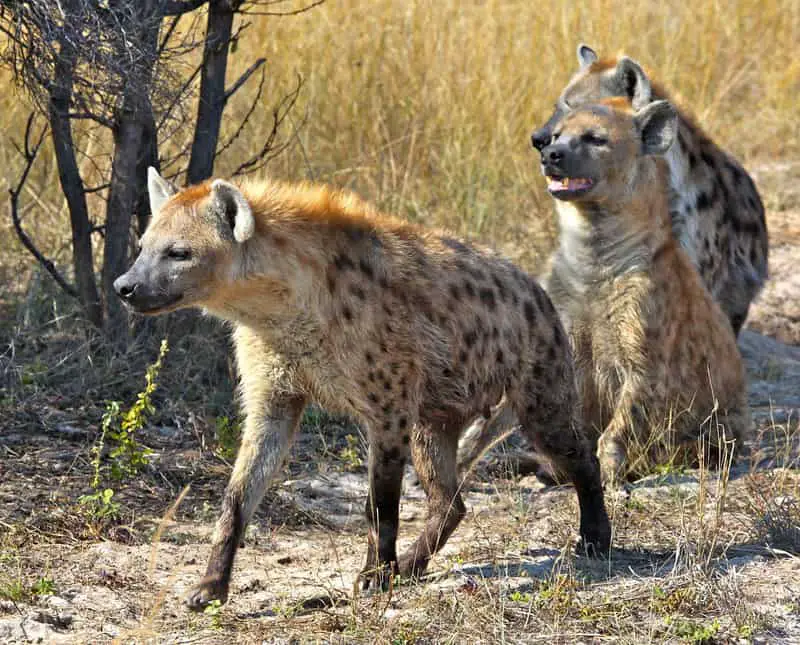 A pack of animals pauses at a forest edge, their hesitant stances revealing a moment of shared indecision. | Photo by flickr.com
In the absence of an alpha, group decisions—such as when and where to move or hunt—often take much longer to reach.
This sluggishness can cause packs to miss prime opportunities for food or safety.
Studies on social carnivores, as discussed in Animal Behaviour, reveal that consensus becomes difficult, with hesitation and debate replacing the alpha’s swift authority.
10. Subordinate Empowerment
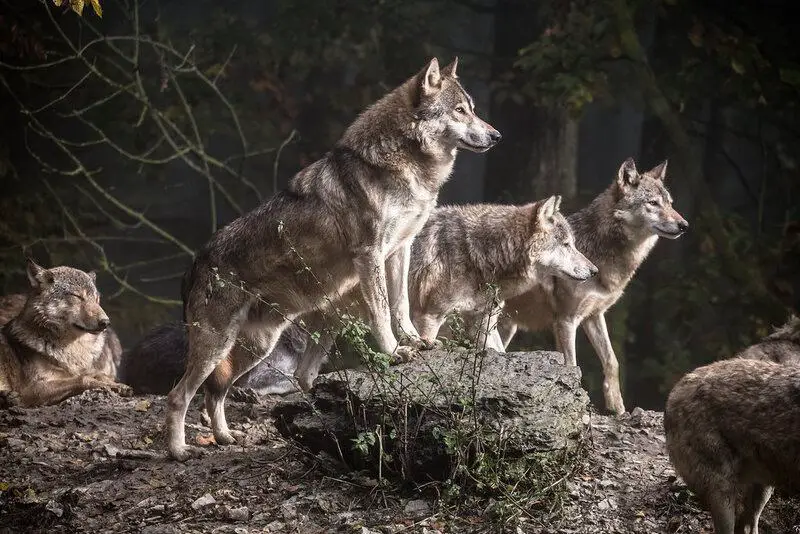 A confident wolf stands tall among the pack, boldly challenging the established order as an active participant. | Photo by flickr.com
The removal of the alpha can trigger a wave of empowerment among subordinates.
Lower-ranking members, once hesitant or overlooked, may gain confidence and take on more active roles within the group.
In some cases, they challenge former social boundaries and help reshape group dynamics.
Examples from both wolf and lion packs show that this newfound assertiveness can foster innovation and adaptability.
As Live Science reports, the absence of a dominant figure invites unexpected voices to the forefront.
11. Shifting Alliances and Social Bonds
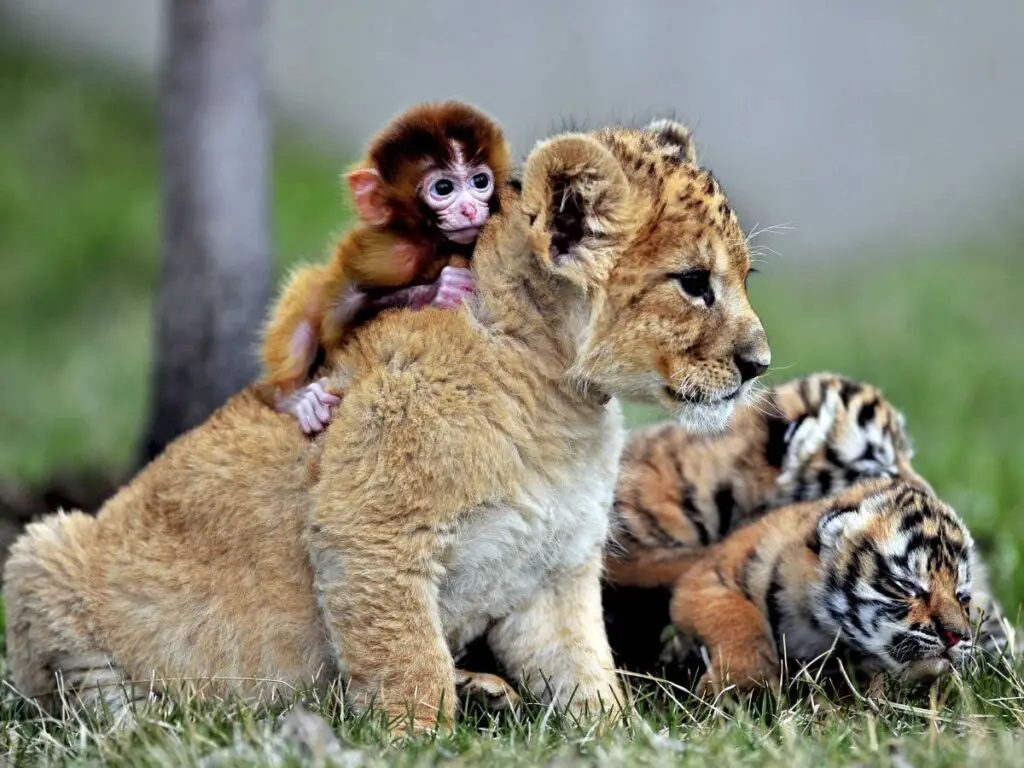 A pair of unlikely animal friends lounge together in the grass, showcasing the power of alliances and social bonds. | Photo by animaljamspirit.blogspot.com
The power vacuum left by the alpha’s removal often sparks a period of fluid alliances and changing social bonds.
Relationships that once seemed solid may dissolve, while new partnerships emerge as individuals seek greater influence or protection.
These shifting connections have been documented in wolves and African wild dogs.
According to Science Advances, this dynamic environment can reshape the entire social landscape of the pack.
12. Increased Risk of Pack Splitting
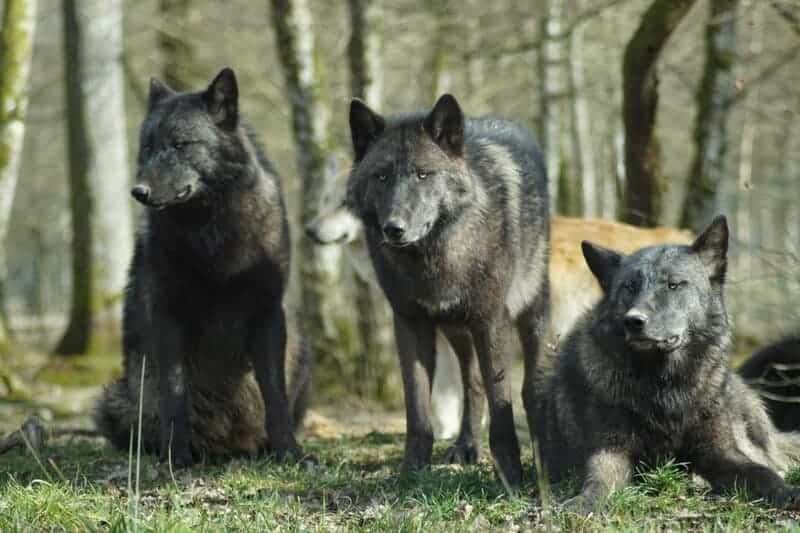 Two rival animal groups move in opposite directions across a grassy plain, marking a dramatic moment of pack splitting and dispersal. | Photo by patrice schoefolt on Pexels
Without a strong central leader, packs face a much higher risk of fragmentation.
The group may split into rival subgroups or individuals may disperse to seek new opportunities elsewhere.
Such splintering has been observed in wild wolf populations, where the absence of the alpha often signals the beginning of internal divisions.
As The Guardian reports, this fracturing can weaken the pack’s survival prospects and disrupt established social bonds.
13. Shifts in Reproductive Success
 A pair of colorful birds engage in a courtship dance, showcasing fascinating mating behavior during the breeding season. | Photo by Annerose Walz on Unsplash
The loss of an alpha often triggers changes in mating dynamics, with more pack members vying for the chance to breed.
This sudden competition can lead to conflict and instability, sometimes reducing overall reproductive success.
Research published in Frontiers in Ecology and Evolution highlights how disrupted social order can result in fewer healthy offspring, ultimately impacting the long-term viability of the group.
14. Increased Risk for Pups and Juveniles
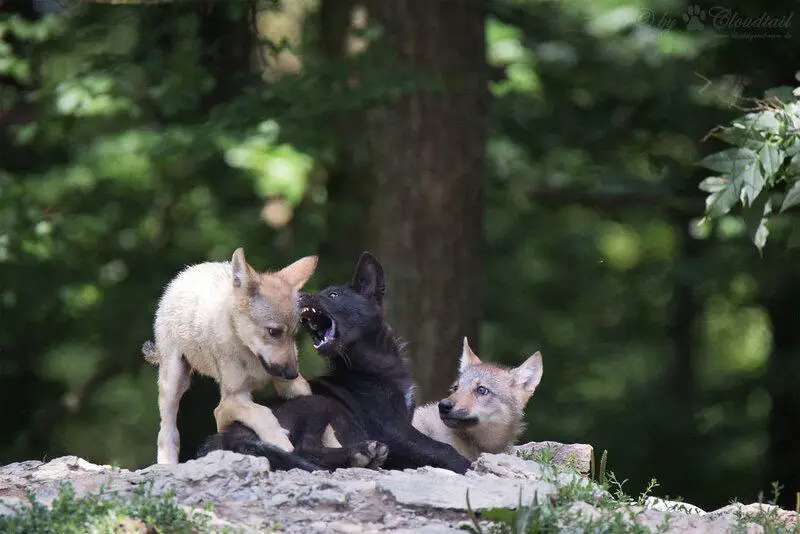 A group of vulnerable wolf pups huddles close together, cared for by attentive adults in their woodland home. | Photo by flickr.com
When the alpha is gone, pups and juveniles face greater dangers.
Protective leadership often declines, leaving young members more exposed to predators and neglect.
Studies of wolf packs have documented a rise in pup mortality under these conditions.
According to Science Daily, the absence of a strong leader can jeopardize the next generation’s survival and overall pack stability.
15. Redistribution of Resources
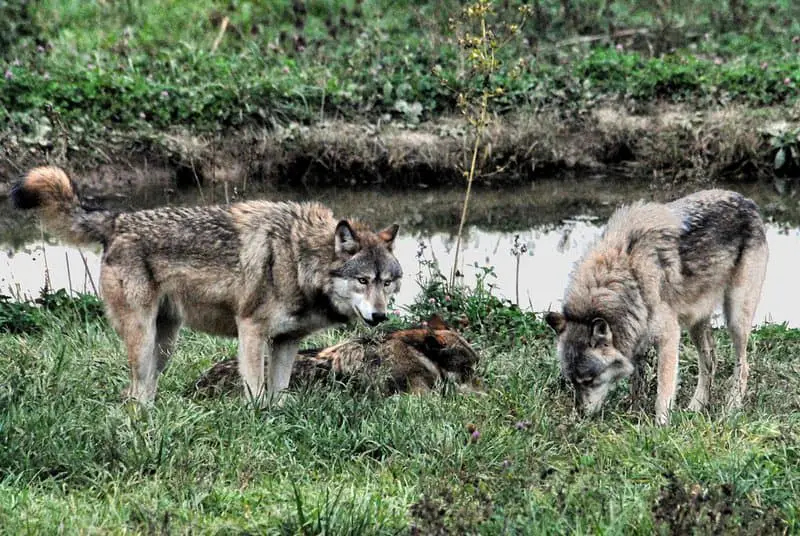 A group of wolves gather around a shared meal, each taking turns in a peaceful display of food equality. | Photo by flickr.com
The absence of an alpha often leads to a shift in resource distribution.
In some groups, sharing becomes more egalitarian, with lower-ranking members gaining better access to food and shelter.
In others, competition intensifies as individuals fight for limited resources.
Primate and canid studies reveal that the outcome depends on the group’s social structure and the environment.
Research in Nature Ecology & Evolution illustrates how resource dynamics can dramatically shift after the loss of a dominant figure.
16. Decrease in Overall Pack Health
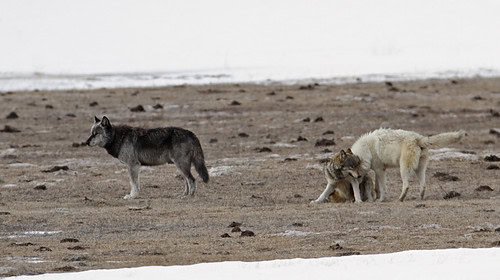 A group of injured animals huddle together, their frail bodies and dull coats showing signs of malnutrition and poor health. | Photo by flickr.com
In the wake of alpha removal, researchers have observed a general decline in pack health.
Injuries from increased fighting become more common, while disrupted hunting and foraging often lead to poorer nutrition.
These factors combine to weaken the group’s resilience and vitality.
Multiple field studies, including those cited by the Journal of Animal Ecology, highlight the lasting impact of lost leadership on group well-being.
17. Reduced Territory Defense
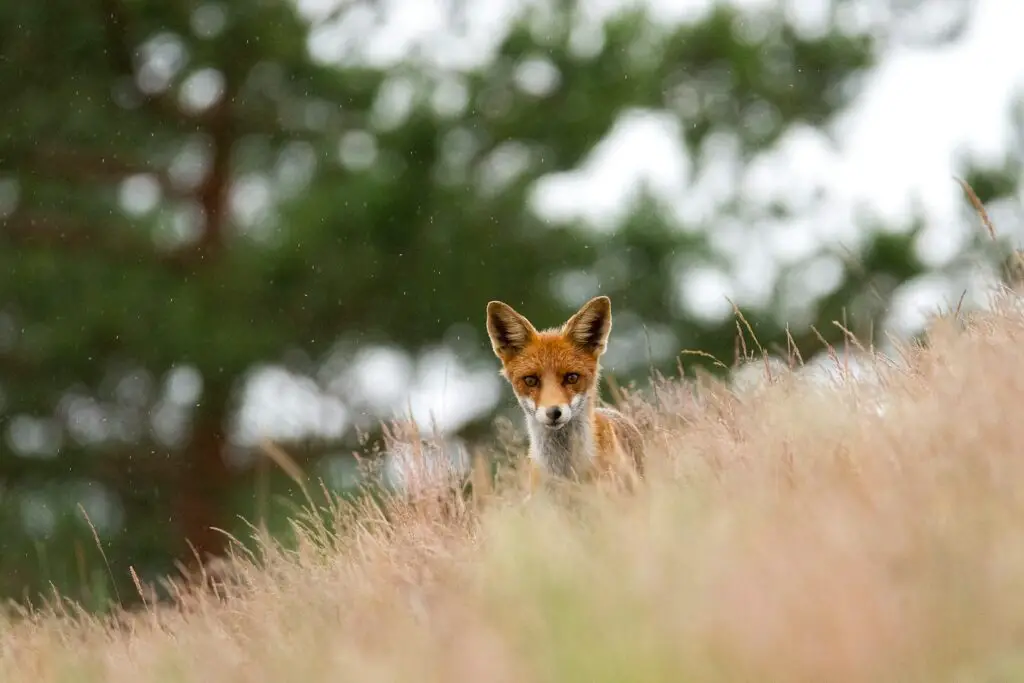 A vigilant fox stands alert at the edge of its woodland territory, eyeing encroaching rivals with steely determination. | Photo by Mindaugas Vitkus on Unsplash
Without a strong leader, packs often struggle to defend their territory effectively.
This vulnerability allows rival groups to encroach, resulting in the loss of vital resources and safe space.
Research on wolves and hyenas confirms that the absence of an alpha leads to more frequent territorial breaches.
According to the Proceedings of the Royal Society B, weakened defense can have cascading effects on pack survival.
18. Fluctuating Pack Size
 A group of friends gathers around a table, their numbers growing while the snack pack in front of them shrinks. | Photo by pexels.com
After the alpha’s removal, pack size can fluctuate dramatically.
Members may leave in search of new groups, others might be ousted, and sometimes outsiders are welcomed in.
This instability is especially notable in wolves and wild dogs.
Research published in Ecology Letters shows that these unpredictable changes in group size further complicate survival and social organization.
19. Altered Migration Patterns
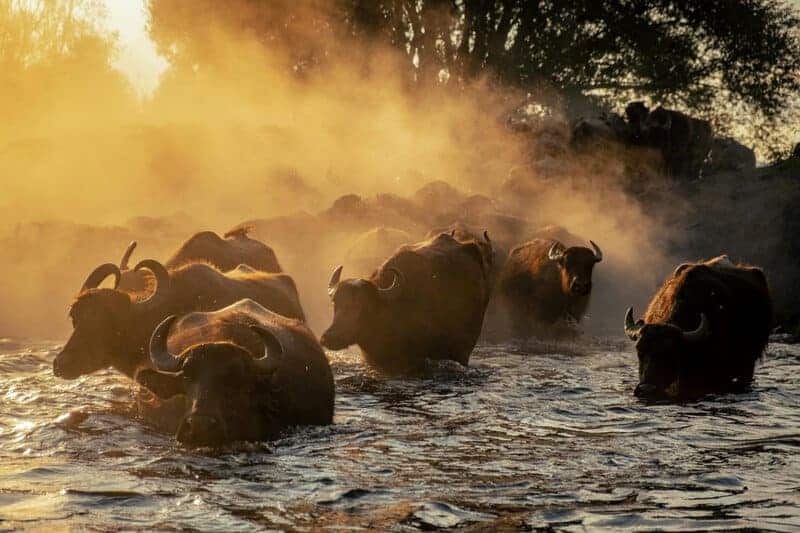 A herd of wildebeest moves cautiously across a misty plain, their migration following an uncertain, winding path ahead. | Photo by Zeynep Sude Emek on Pexels
With no alpha to guide them, migration routes often become less predictable and occasionally more dangerous.
Groups may struggle to form consensus on direction and timing, leading to riskier travel and increased exposure to threats.
Studies in large carnivores confirm that these altered patterns can undermine both safety and resource acquisition.
As shown in Current Biology, leadership loss can fundamentally reshape migration strategies.
20. Increased Vulnerability to Predators
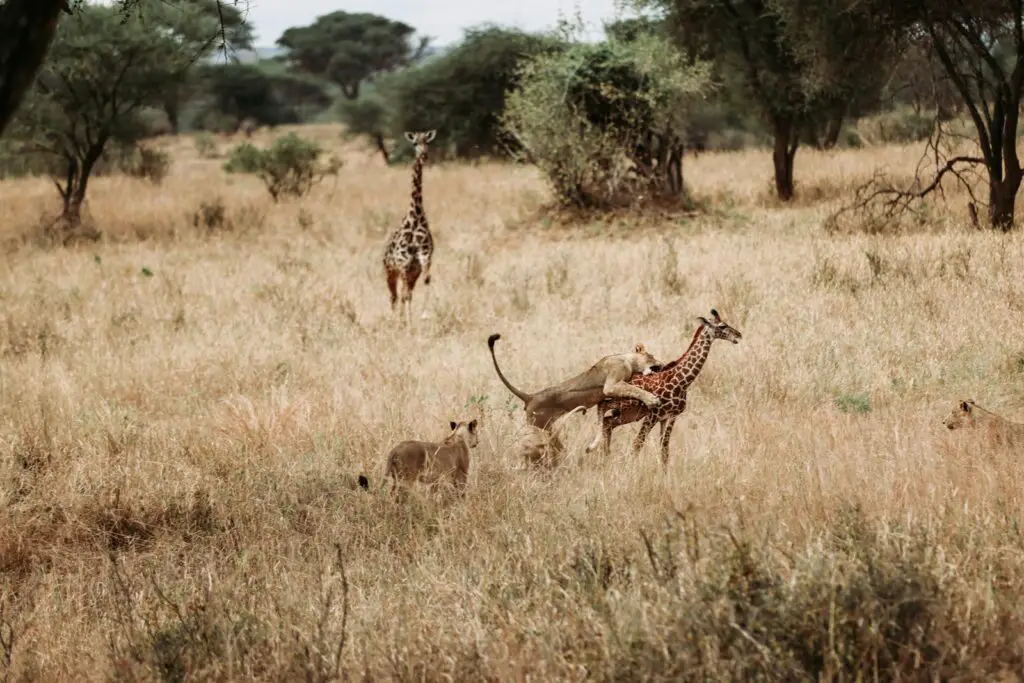 A swift predator lunges toward a group of vulnerable gazelles, who scatter in a desperate bid for safety. | Photo by Karl Fredrickson on Unsplash
Without an alpha to coordinate defense and vigilance, packs become more vulnerable to predators and attacks from rivals.
Field studies have documented spikes in both mortality and territory loss for leaderless groups.
Their reduced ability to mount an organized response makes them prime targets for external threats.
Research published in Oecologia underscores the heightened danger faced by packs lacking strong, centralized leadership.
21. Possibility of New Alpha Emergence
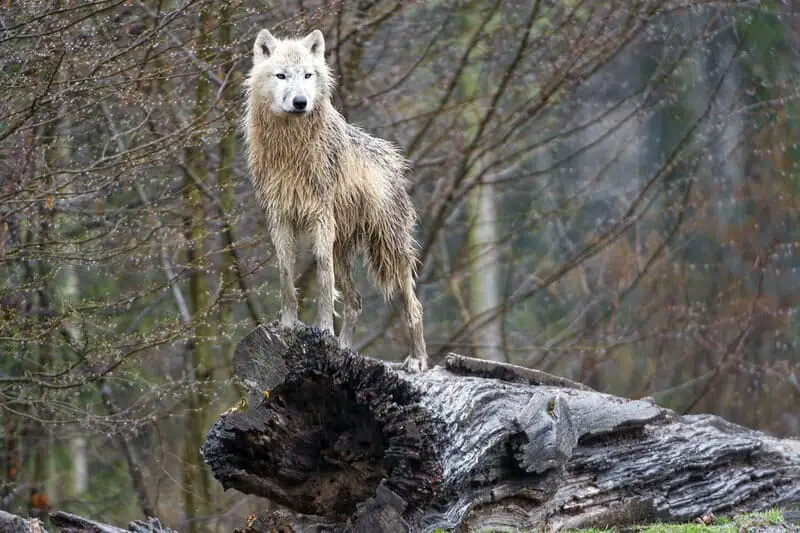 Source: flickr.com
After a turbulent period, packs often see the emergence of a new alpha.
This new leader may come from an unexpected background—sometimes a previously overlooked or lower-ranking member.
Their rise often restores order and a renewed sense of hierarchy.
Such shifts have been observed in wolves, lions, and primates.
According to Science Magazine, the process can reset the social structure entirely.
22. Long-Term Behavioral Adjustments
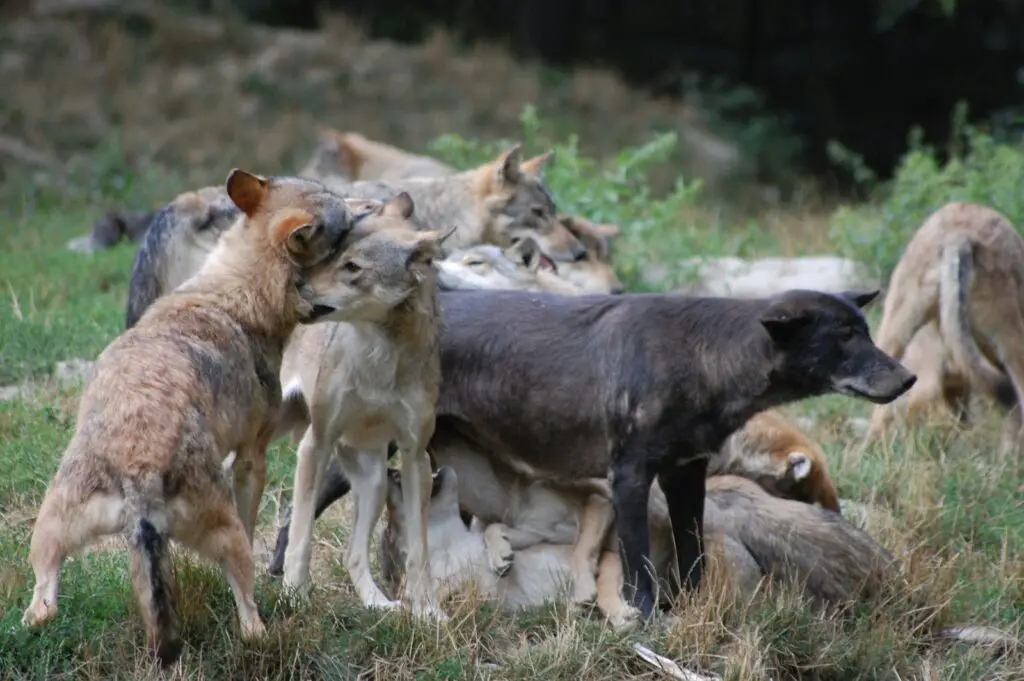 A group of wolves interact closely, subtly shifting positions as they adapt to evolving pack dynamics and social rules. | Photo by Jingyu Wu on Unsplash
In the long run, packs often undergo significant behavioral adjustments after losing an alpha.
Some groups gradually establish new social norms, shifting toward more egalitarian interactions, while others eventually reimpose strict dominance hierarchies.
These adaptations depend heavily on the species, ecological pressures, and the personalities involved.
Research in Animal Behaviour shows that, given time, most packs find new ways to maintain cohesion and functionality.
23. Insights for Conservation and Management
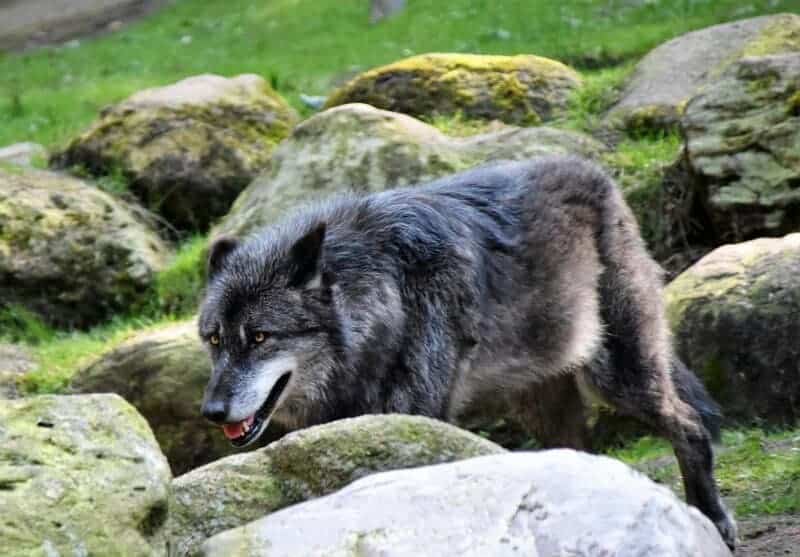 A pair of gray wolves roam through a forest clearing, symbolizing successful wildlife management and ongoing conservation efforts. | Photo by Waldemar on Pexels
Understanding pack dynamics has crucial implications for wildlife conservation.
Disrupting established social structures—such as through culling or the removal of dominant animals—can unintentionally destabilize entire populations.
These insights have shaped approaches to wolf reintroduction and management, with experts now prioritizing intact family groups.
The U.S. Fish & Wildlife Service highlights that successful conservation depends on respecting natural hierarchies and minimizing unnecessary social disruption.
24. Lessons for Human Social Groups
 A diverse team gathers around a conference table as a new leader steps forward, signaling a shift in organizational dynamics. | Photo by Jopwell on Pexels
The turbulence seen in animal packs after an alpha’s departure offers valuable insights for human organizations.
When a strong leader leaves, teams may struggle, adapt, or even flourish depending on their structure and culture.
Cross-species studies reveal striking parallels in how groups cope with change and uncertainty.
According to Harvard Business Review, understanding these dynamics can help us build more resilient, adaptable communities.
Conclusion
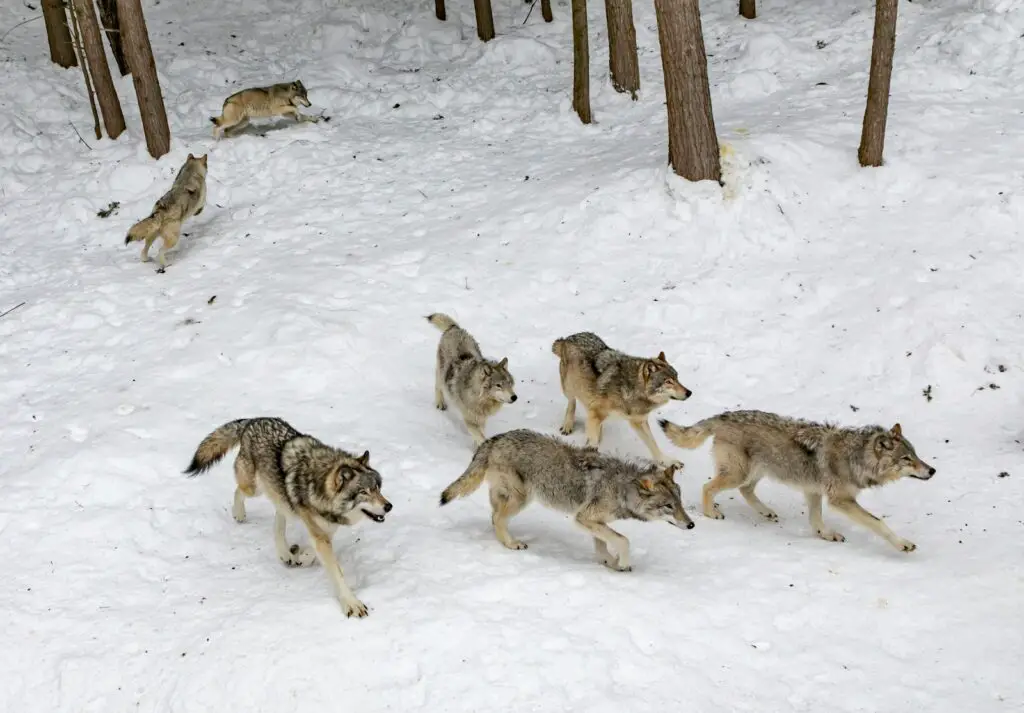 A group of wolves moves through the forest, each member instinctively following the pack’s hierarchy and adaptive roles. | Photo by Eva Blue on Pexels
The removal of an alpha sends shockwaves through animal packs, triggering everything from chaos and shifting alliances to the rise of unexpected leaders and long-term behavioral change.
These 24 discoveries reveal just how complex and adaptive social dynamics can be, with consequences for stability, survival, and group cohesion.
Understanding these processes isn’t just vital for animal conservation—it also offers profound lessons for human societies.
By respecting and studying social structures, we can make smarter decisions for the future of both wildlife and our own communities.

Vielleicht interessiert es Sie:
12 Over-The-Top Absolute Units That Will Take Your Breath Away! 🌟
12 Unforgettable Absolute Units That Will Amaze You! 🌟
20 Extraordinary Beasts That Challenge Our Definition of Big! 🦙
8 Crazy Massive Oddities That Prove Size Matters! 🌍🚀
14 Massive Oddities That Will Challenge Your Perception of Size! 🔍
12 Giant Beasts that Redefine Size Expectations! 🦁
12 Massive Oddities That Will Change Your Perception of Size! 🐻😲
19 Monstrous Marvels That Challenge Your Perception of Size! 🦙🔍