
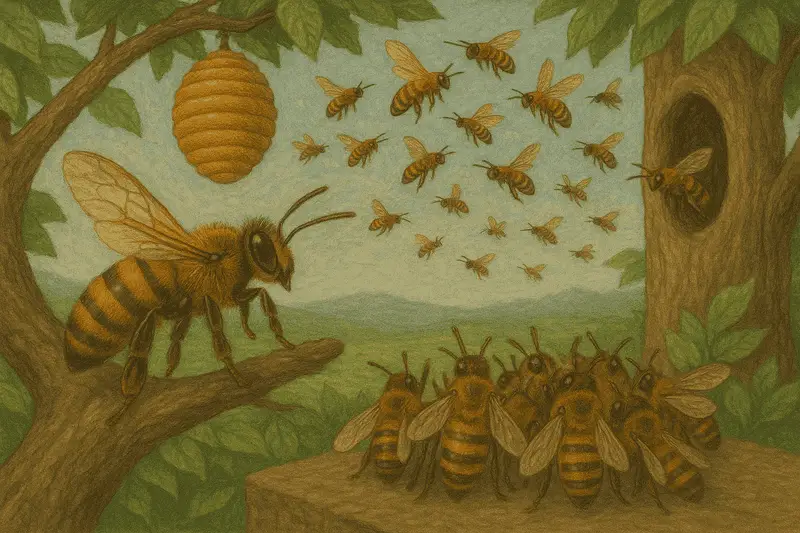
When we imagine democracy, we usually think of bustling polling stations, impassioned debates, and long lines at the ballot box. But in the heart of every honeybee swarm, a remarkable and surprisingly fair voting process is happening—one that puts many human elections to shame.
Honeybees don’t just follow a queen’s command; instead, they use a complex, collective system to choose their next home. Their process is more transparent, participatory, and cooperative than most people realize.
Let’s explore how these tiny creatures outshine us at the polls.
1. Swarming: The Birth of a New Colony
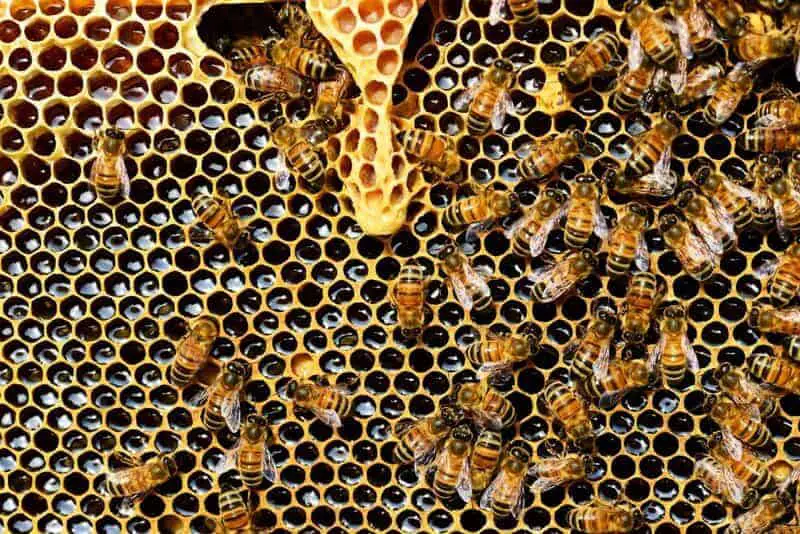 A swirling swarm of bees gathers mid-air as the queen leads her colony out from the hive. | Photo by Pixabay on PexelsKeep WatchingRussia pushes ‘Made in Moscow’ Fashion Week amid western isolation and ongoing warKeep WatchingRussia pushes ‘Made in Moscow’ Fashion Week amid western isolation and ongoing war00:00/00:54
Swarming marks a dramatic turning point for a honeybee colony. When resources are abundant, the old queen and about half the workers leave their original hive in a swirling cloud—a swarm—to start anew.
This mass exodus sets the stage for one of nature’s most fascinating group decisions. The bees must quickly find a safe and suitable home, making their collective choice vital for survival.
Learn more about swarming at
National Geographic.
2. The Scout Bees Take Charge
 A group of scouting bees hovers mid-air, their tiny wings blurred as they search for new nectar sources. | Photo by Jakub Zerdzicki on Pexels
Once the swarm settles temporarily, a select group of scout bees fans out in all directions.
These adventurous individuals search for promising cavities and nooks, each acting as an independent investigator.
They return with detailed reports—delivered through distinctive movements—to inform the rest of the swarm.
Their tireless exploration and communication lay the groundwork for the hive’s unique democratic process.
Discover more in
Smithsonian Magazine.
3. Evaluating Real Estate: Bee Style
 Curious bees gather around the hollow of an old tree, inspecting the inviting cavities within its rough bark. | Photo by Michael Burrows on Pexels
Scout bees don’t just pick any hollow tree or crevice—they’re discerning about their choices.
They evaluate each site based on factors like cavity size, dryness, entrance direction, and protection from predators. A perfect bee home is spacious, dry, and has a small, south-facing entrance.
Only the best locations make the cut, reflecting the bees’ sophisticated standards for safety and survival.
For more details, visit
Science.org.
4. The Waggle Dance: Sharing Findings
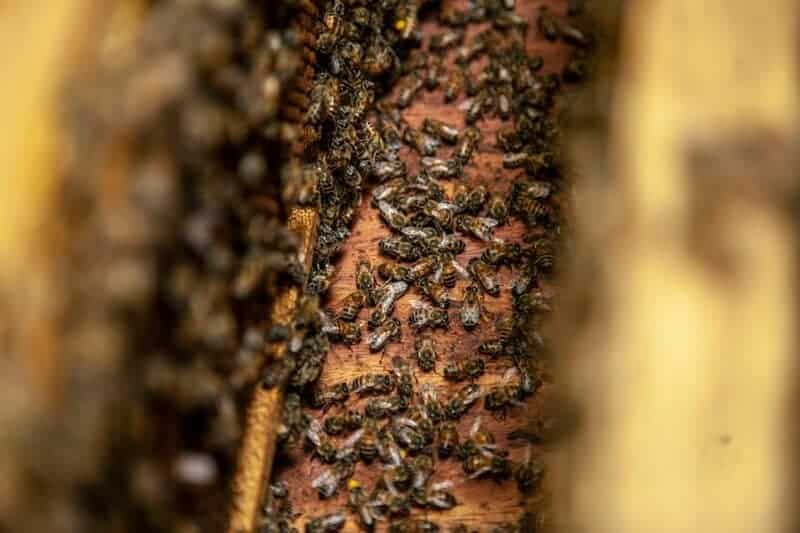 A cluster of dancing bees performs the waggle dance atop golden honeycomb, sharing the secret to nearby nectar. | Photo by FRANK MERIÑO on Pexels
Once a scout bee discovers a promising site, she returns to the swarm and performs the famous waggle dance.
Through intricate movements, she shares vital information about the site’s distance, direction, and overall quality.
The more enthusiastic and persistent the dance, the better the site being advertised.
Other bees observe and interpret these dances, helping the whole swarm weigh the options.
Dive deeper into the waggle dance at
BBC Earth.
5. Recruitment Through Dance
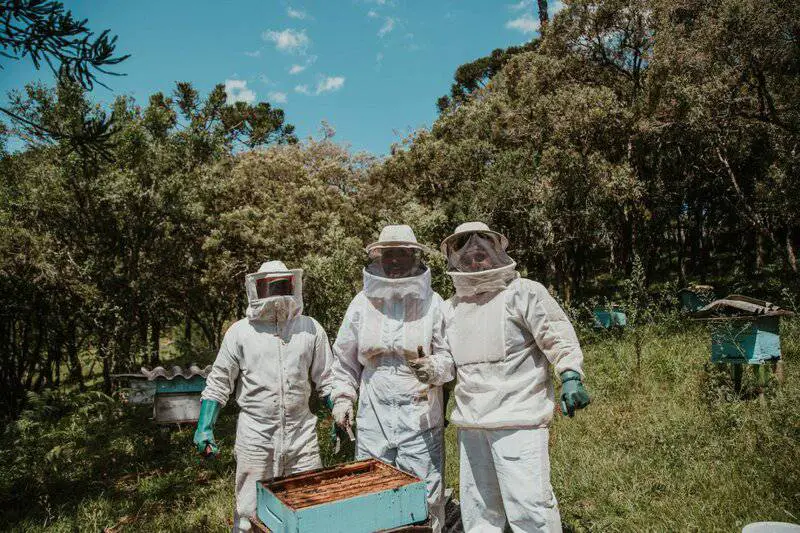 A group of bees intently follows a waggle-dancing scout, decoding its movements to find a new food source. | Photo by Arthur Brognoli on Pexels
The waggle dance doesn’t just inform—it recruits.
The more compelling the dance, the more scout bees it attracts to check out the advertised site themselves.
This creates a dynamic feedback loop: as more bees visit and approve a site, they join in the recruitment, amplifying support.
Read more about this process at
National Library of Medicine.
6. Multiple Options on the Table
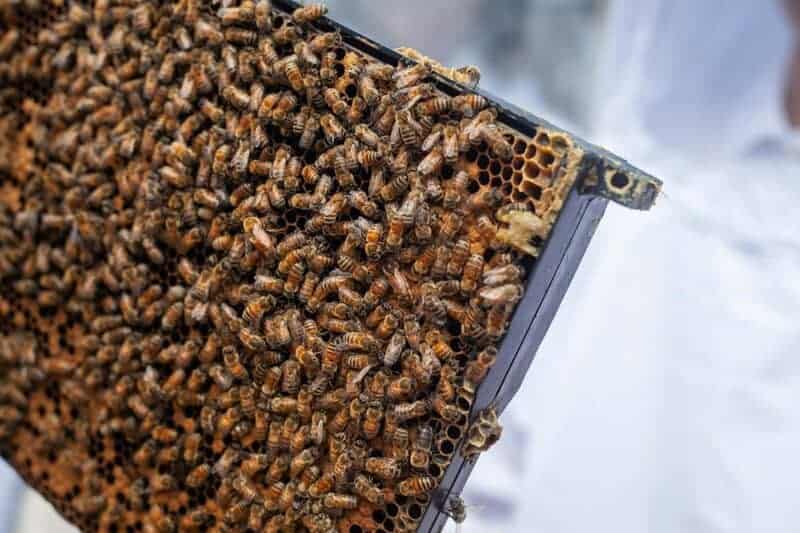 Clusters of bees gather at different locations, weighing their options as they decide on the perfect new home. | Photo by Timothy Paule II on Pexels
At any given time, several potential nest sites are in contention.
Scouts advocate for different locations, and the swarm collectively considers all options—much like a vibrant multi-party election.
Each candidate site gets its moment in the spotlight as bees continuously compare and debate.
Find out more at
Scientific American.
7. Consensus, Not Majority Rule
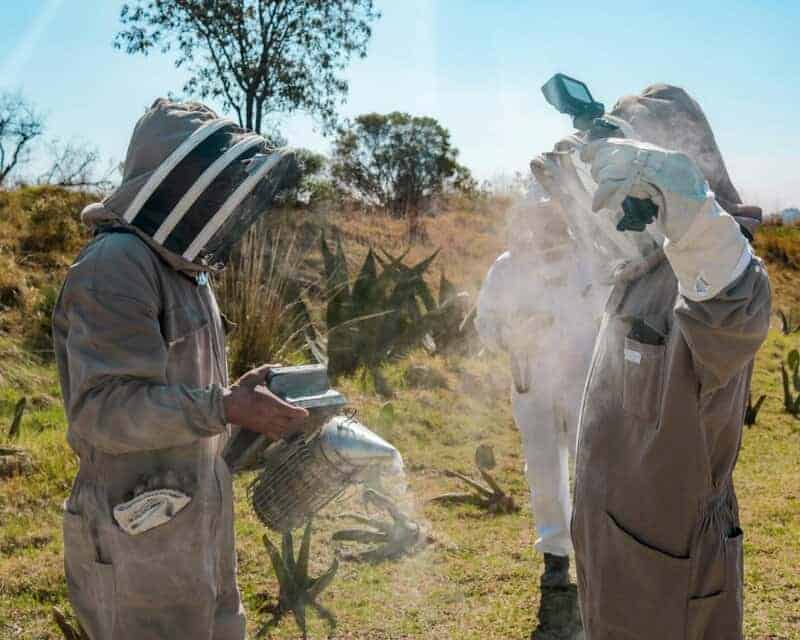 A cluster of bees gathers closely on a honeycomb, demonstrating unified teamwork as they reach a group decision. | Photo by Eden FC on Pexels
Unlike most human elections, bees prefer consensus over a simple majority.
The swarm delays action until almost every scout supports a single site, ensuring unity and reducing the risk of costly mistakes.
This near-unanimous agreement strengthens the colony’s chance of survival.
Explore this consensus process at
Cornell University.
8. No Campaigning or Bias
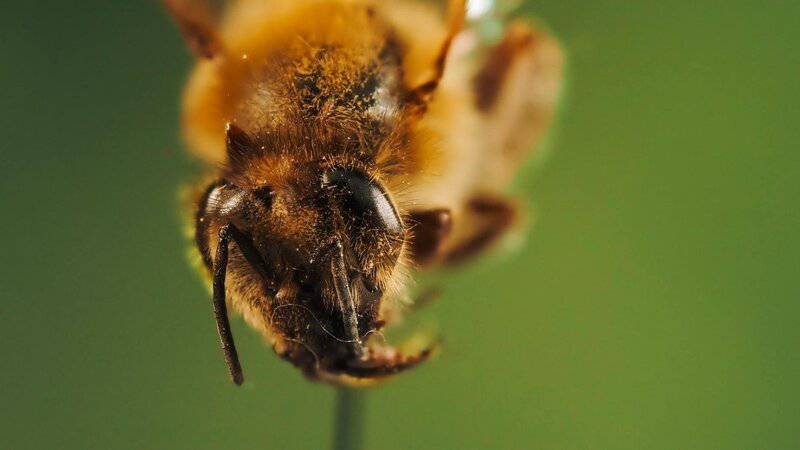 A group of bees gathers around a flower, each taking turns with perfect impartiality and buzzing fairness. | Photo by Fatih Berat Örer on Pexels
Bee democracy is refreshingly free from personal agendas.
Scouts don’t stick to “their” site out of pride or stubbornness.
If they find a better option, they switch sides without hesitation, guided only by objective evaluation.
This lack of bias is explored further at
The Conversation.
9. The Quorum Threshold
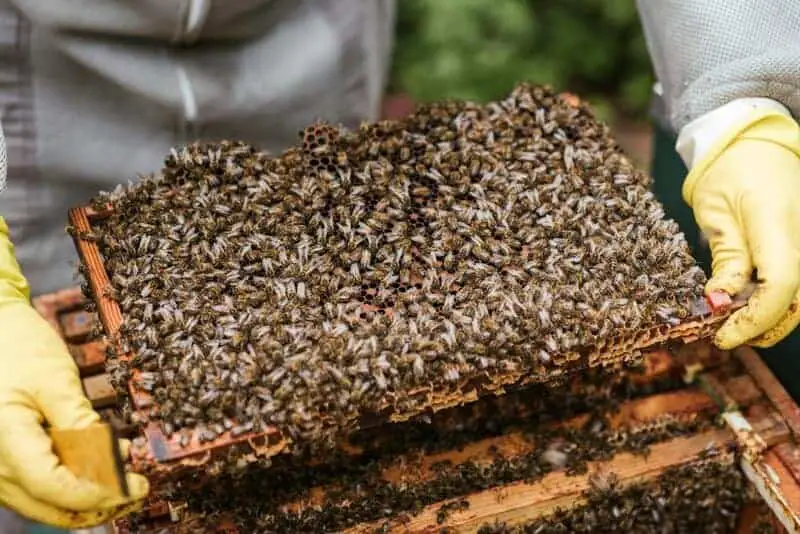 A cluster of bees gathers closely together, illustrating their collective decision-making process as they reach a quorum threshold. | Photo by Anete Lusina on Pexels
Honeybees use a quorum system to finalize their decision.
When a critical number of scouts—typically around 15 or more—gather at a single site, it signals overwhelming support.
This quorum is the tipping point that triggers the swarm to prepare for the big move.
It’s a built-in safeguard, ensuring that the chosen home has solid backing before the entire colony commits.
Read more at
National Library of Medicine.
10. Informed Participation for All
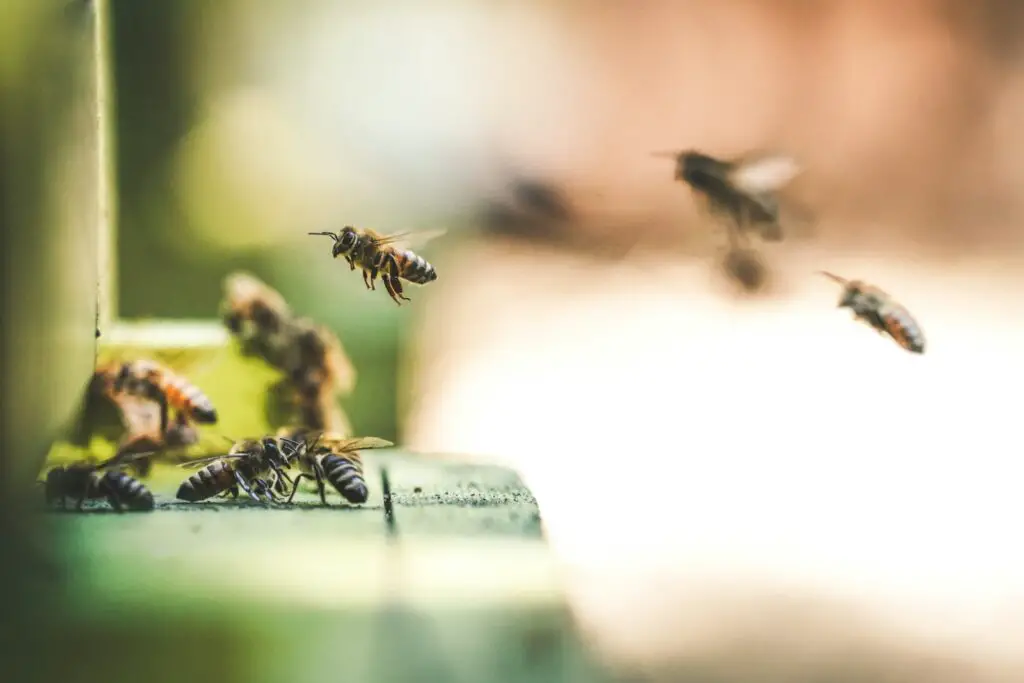 A lively group of bees actively explores a cluster of vibrant flowers, showcasing their spirited group participation. | Photo by Roman Biernacki on Pexels
Bee democracy thrives on collective participation.
Any bee can follow a scout to inspect a candidate site, and many do—ensuring decisions aren’t made in a vacuum.
This firsthand involvement means the entire swarm is well-informed, creating a robust, inclusive process.
Explore more about their teamwork at
Science.org.
11. Time Pressure and Decision Quality
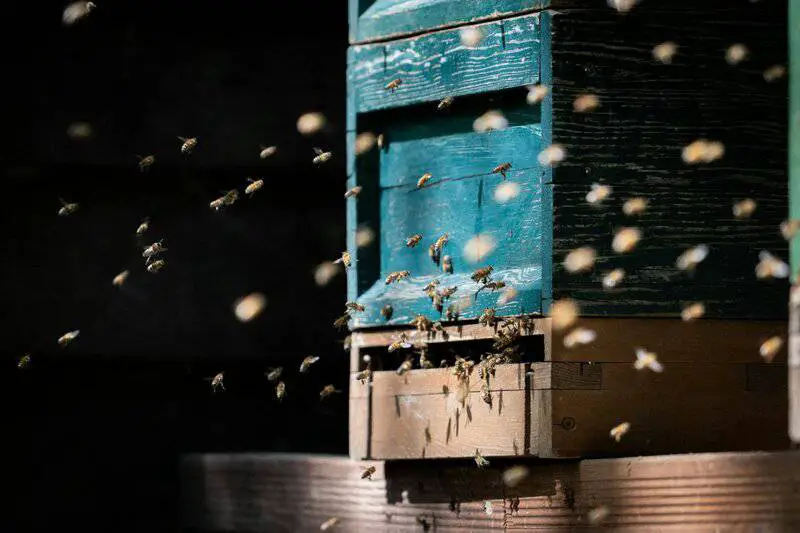 A buzzing swarm of bees rushes through the air, making split-second decisions as they urgently relocate together. | Photo by Robert Schwarz on Pexels
Despite the urgent need to find a new home before nightfall or bad weather, bees excel at balancing speed and accuracy.
They don’t rush blindly, yet they avoid dangerous delays—a delicate tradeoff that even human elections struggle to manage.
This ability to make high-quality decisions under pressure is a testament to their evolutionary wisdom.
Learn more at
Nature.
12. Collective Intelligence in Action
 A buzzing cluster of bees gathers on a branch, showcasing the power of collective intelligence in group decision-making. | Photo by Eden FC on Pexels
The honeybee decision-making process is a brilliant example of collective intelligence.
Studies show that the swarm’s group choices consistently outshine those of any single bee.
By pooling their knowledge and experience, bees tap into the wisdom of the crowd—often selecting the most optimal site available.
Discover more about bee intelligence at
Harvard University.
13. Avoiding Deadlock
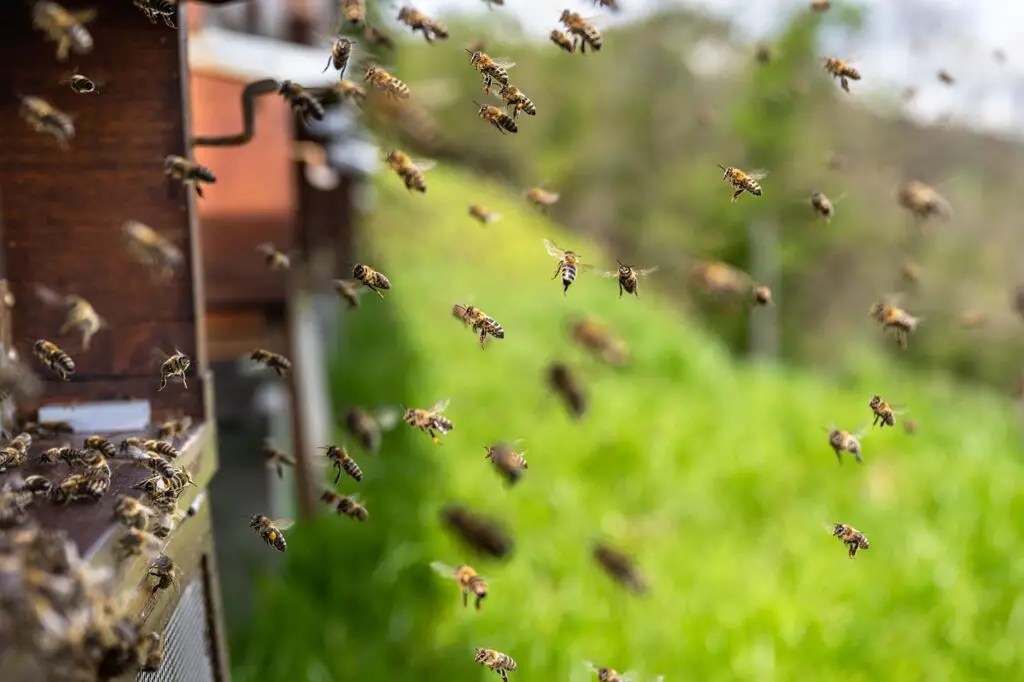 A cluster of bees breaks from a tense deadlock, finally reaching a decision and buzzing onward together. | Photo by Thirdman on Pexels
Honeybees have evolved clever ways to prevent decision deadlocks.
If a site loses support, scouts quickly abandon it, allowing consensus to form around stronger candidates.
This mechanism keeps the colony moving forward and avoids the gridlock often seen in human elections.
Read more at
New Scientist.
14. Transparent Process for All
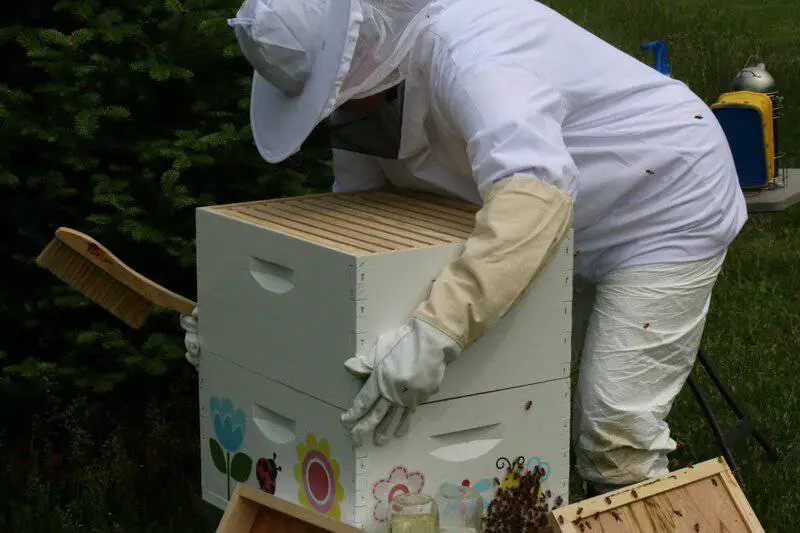 A cluster of bees inside a hive interact closely, their transparent wings shimmering as they communicate and collaborate. | Photo by Denise Cusack on Pexels
Honeybee democracy is radically transparent.
Every waggle dance and scouting mission unfolds in the open, allowing the entire swarm to observe, evaluate, and participate.
There are no secrets or hidden agendas—unlike many human electoral systems, bees make their choices with complete group visibility.
Explore this transparency further at
Smithsonian Magazine.
15. Shared Stakes, Shared Outcomes
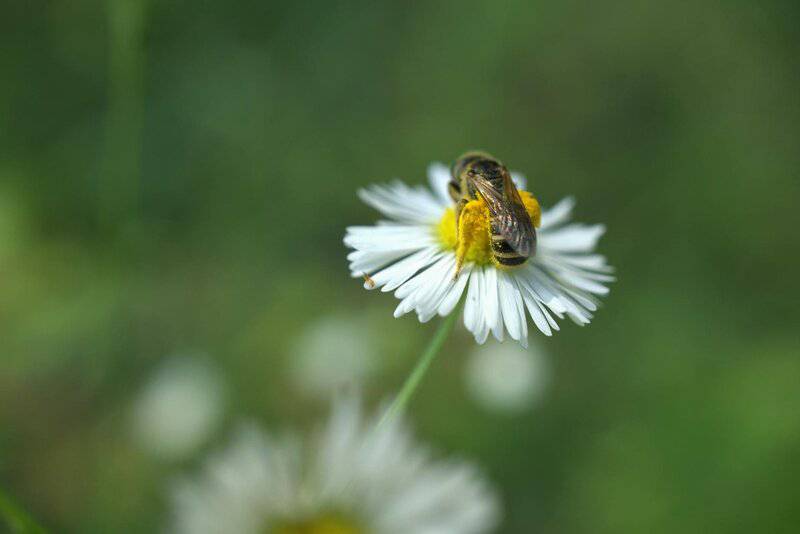 A cluster of bees works side by side on a honeycomb, perfectly illustrating cooperation and shared goals in nature. | Photo by Victor Rivera on Pexels
For honeybees, the stakes couldn’t be higher—every bee’s survival depends on finding the right home.
This shared destiny ensures that the process is truly cooperative, with no room for hidden motives or personal gain.
The colony’s unity and mutual trust are essential ingredients in their democratic success.
Read more about this at
The Conversation.
16. No Permanent Leaders
 A bustling hive of bees works in perfect harmony, with no single leader, showcasing true bee equality and unity. | Photo by Ilo Frey on Pexels
Unlike many human systems, honeybees operate without permanent leaders.
Scout bees rotate in and out of their roles, and no individual dominates the decision-making process.
This fluid structure fosters equality and keeps the focus on group benefit over individual authority.
Learn more about bee leadership at
Cornell University.
17. Learning from Experience
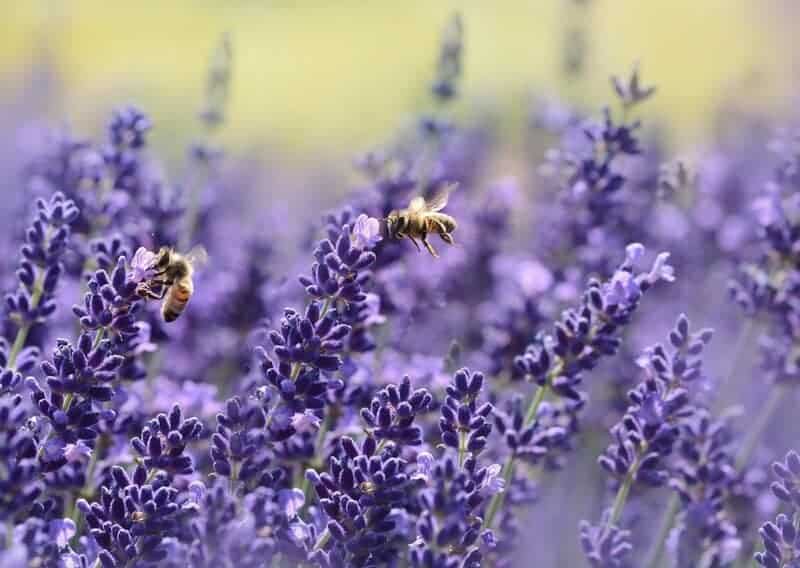 A group of experienced bees demonstrates intricate foraging techniques to younger bees, highlighting the evolution of bee learning. | Photo by Pixabay on Pexels
Honeybee swarms are not static in their methods—they learn from experience.
Research shows that colonies, after making poor choices in the past, adapt and refine their selection criteria for future nest hunts.
This capacity for collective learning mirrors how human democracies evolve and improve, building on past successes and failures.
Learn more about bee learning at
Science.org.
18. No External Manipulation
 A cluster of bees gathers around wildflowers, each making its own choices in a buzzing display of independence. | Photo by Maria Ilaria Piras on Pexels
Honeybee swarms make decisions free from external influence.
There’s no equivalent to media campaigns or lobbying—just unbiased, open communication among the bees themselves.
This isolation from outside manipulation is a stark contrast to the many pressures shaping human elections.
Read more about bee independence at
Harvard University.
19. The Final Move
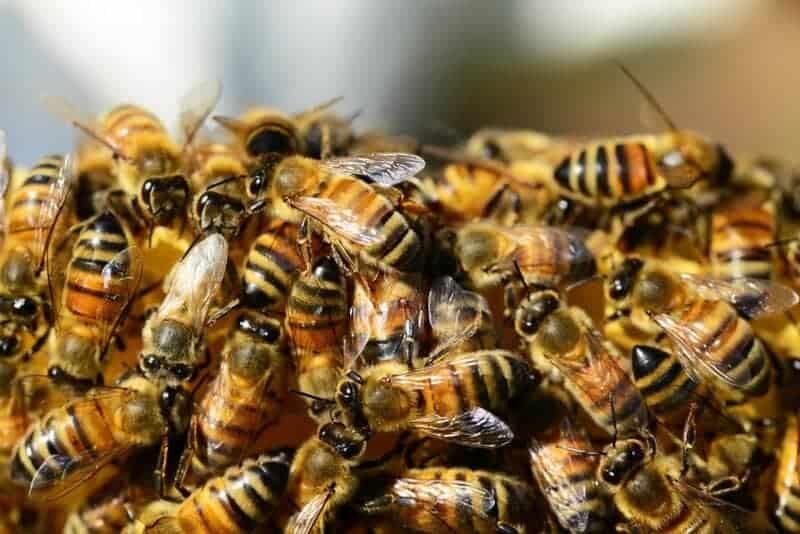 A vibrant swarm of bees takes flight in unison, relocating to a new hive under the open sky. | Photo by Pixabay on Pexels
Once consensus is reached, the swarm erupts into action.
With breathtaking synchronicity, thousands of bees take flight together, led by scouts to their new home.
This collective migration is the grand finale of their democratic process, a powerful display of unity and shared purpose.
Discover more about this moment at
BBC Earth.
20. Success Rates: Bees vs. Humans
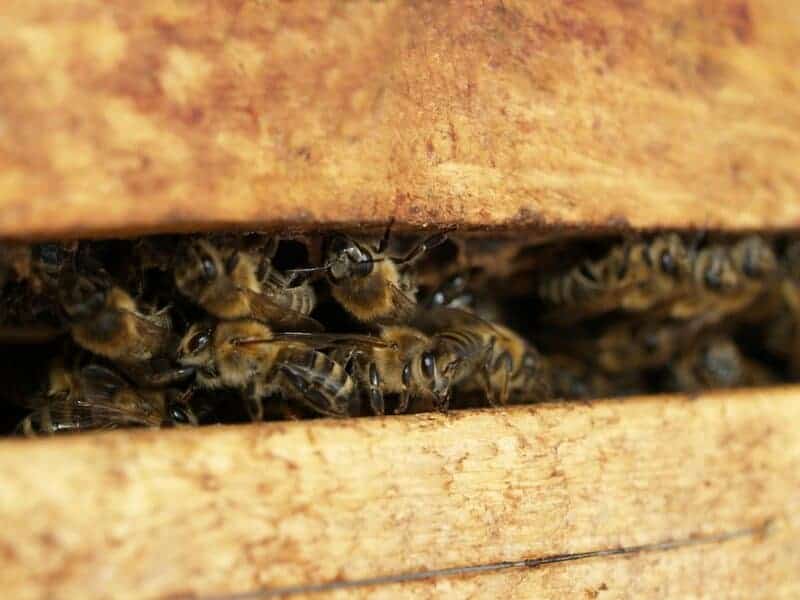 A bustling bee nest teems with healthy, hardworking bees, showcasing a remarkable scene of thriving colony success. | Photo by Johann Piber on Pexels
Honeybee swarms rarely make poor home choices—studies show their democratic process yields the best available site with impressive consistency.
In contrast, human elections can result in divided societies or suboptimal decisions.
Bee democracy’s high success rate offers a humbling perspective on our own systems.
Read more at
Scientific American.
21. Lessons for Human Democracy
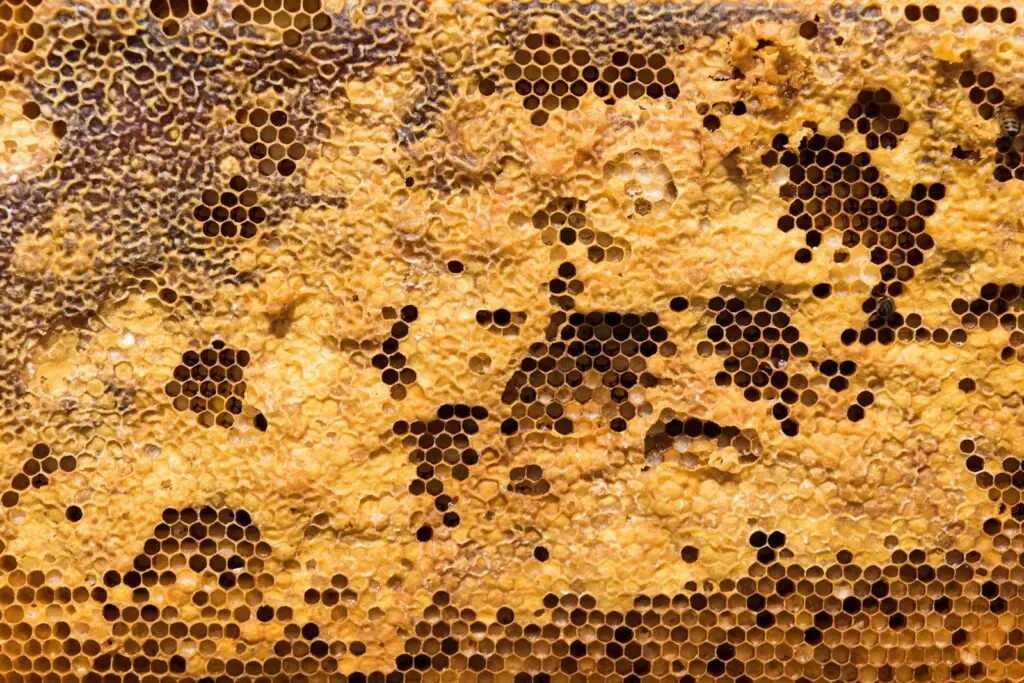 A teacher points to a vibrant beehive diagram, illustrating how bee society inspires lessons in human democracy and collective wisdom. | Photo by Erik Karits on Pexels
Honeybee democracy isn’t just a curiosity—it’s a model for effective group decision-making.
By prioritizing consensus, encouraging widespread participation, and ensuring transparent communication, bees highlight principles that could strengthen our own democratic processes.
Their example reminds us of the value of cooperation, humility, and learning together.
For further reflection, see
The Conversation.
22. The Ongoing Fascination
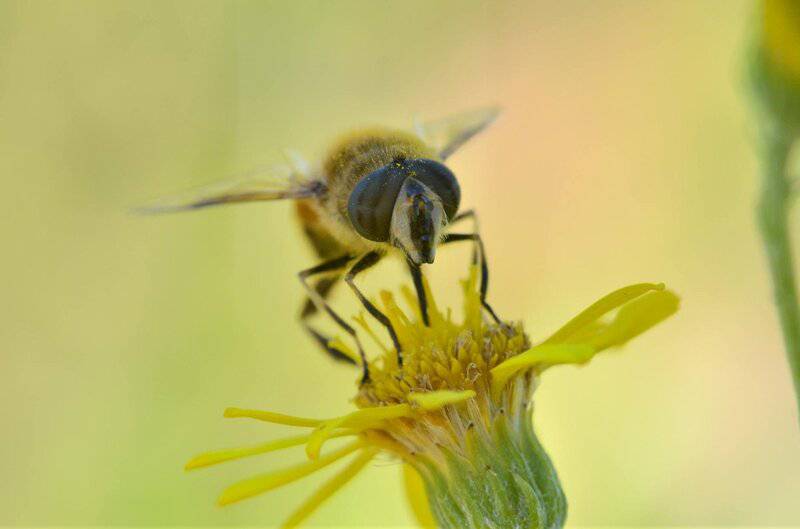 A team of bee scientists observes tiny robotic bees pollinating flowers in a high-tech laboratory setting. | Photo by mali maeder on Pexels
The study of honeybee democracy continues to inspire scientists across disciplines.
Researchers are applying bee-inspired principles to robotics, artificial intelligence, and even human organizations.
By understanding how bees achieve harmony and efficiency, we’re unlocking new ways to improve our own collective systems.
Delve deeper into this research at
Science.org.
Conclusion
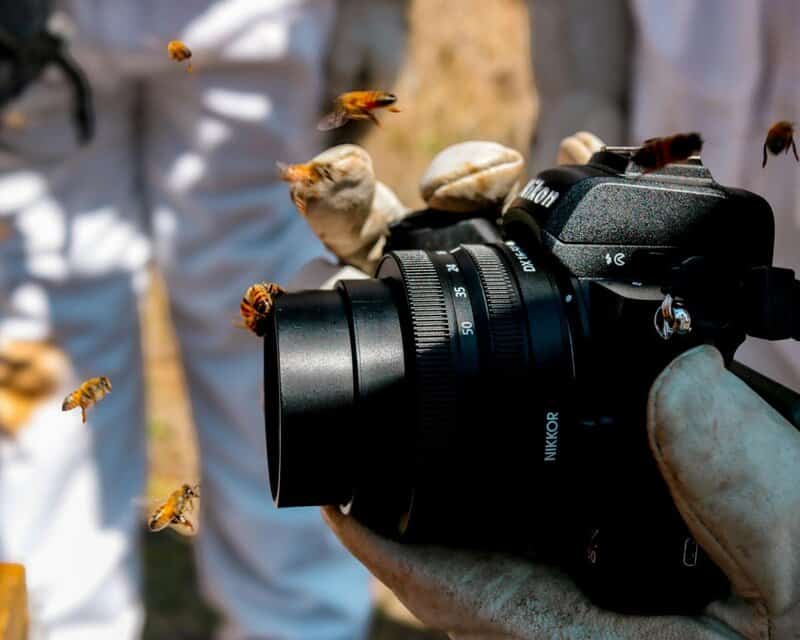 A buzzing swarm of bees clusters together, collectively deciding on the perfect new site for their nest. | Photo by Eden FC on Pexels
Honeybees offer a masterclass in democratic decision-making.
Their process—built on transparency, consensus, and informed participation—consistently leads the colony to the best possible outcome, all without leaders, bias, or external manipulation.
By studying these tiny pollinators, we gain powerful lessons for our own systems and communities.
Perhaps it’s time we look to the hive for inspiration, striving for more inclusive, transparent, and cooperative democracies in our own lives.

Vielleicht interessiert es Sie:
13 Extraordinary Giants Ready to Blow Your Mind! 🌍
10 Chonky Oddities That Will Leave You Speechless! 🤯
9 Unbelievable Absolute Units That Will Leave You Speechless! 🌟
10 Colossal Creatures That Will Leave You Speechless! 🐻
12 Shocking Absolute Units You’ll Have to See! 😲
12 Epic Absolute Units That Will Challenge Your Perceptions! 🔥
Uncover the 11 Ultimate Massive Oddities That Awe! 🌍
9 Unbelievable Oddities That Redefine ‚Massive‘! 🐉💎