

Smartphones have evolved far beyond mere communication tools. Today, they act as early health warning systems, quietly monitoring your well-being throughout each day.
Thanks to an impressive suite of built-in sensors, advanced artificial intelligence, and seamless data tracking, these devices notice subtle changes in your physical and behavioral patterns—often before you feel a thing.
Your smartphone is always at your side, silently gathering clues about your health.
This article explores how the technology in your pocket might detect illness before you realize something’s wrong, and what that means for the future of personal health.
1. Heart Rate Monitoring
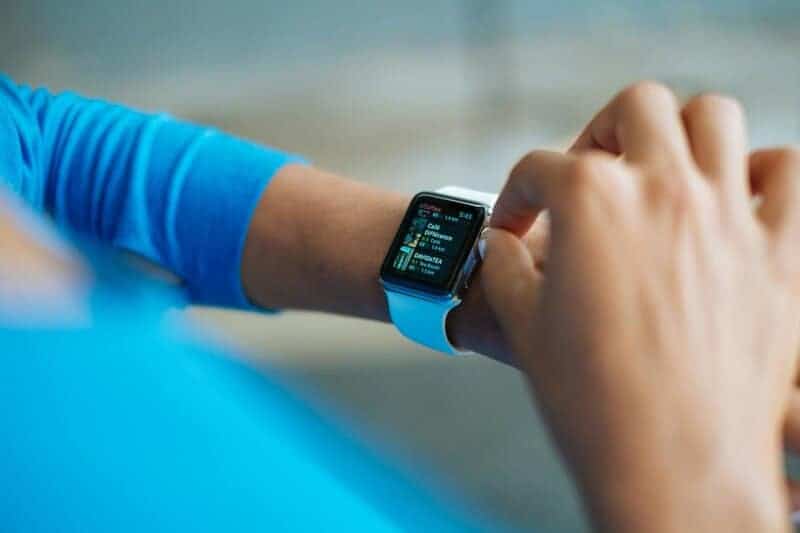 A person checks their heart rate on a sleek wearable device, highlighting the ease of modern health tracking. | Photo by Pixabay on Pexels
Many smartphones and wearables now feature continuous heart rate tracking. Sudden or sustained changes in your resting heart rate—especially increases—can signal stress or the earliest stages of infection, even before you notice any symptoms.
A study published in
Nature Biomedical Engineering
found that analyzing heart rate data could predict the onset of the flu up to three days in advance.
Your device might alert you to these subtle shifts, offering a valuable head start on managing your health.
2. Sleep Pattern Analysis
 A smartwatch glows softly on a wrist in a dark room, monitoring restless sleep through the night. | Photo by Andrea Piacquadio on Pexels
Disrupted sleep often signals the onset of illness. Your smartphone’s accelerometers and microphones quietly track sleep cycles, detecting changes like increased movement or shifts in sleep duration.
Even slight restlessness or extra time spent in bed can be early flags.
According to a study in
Sleep Medicine Reviews,
digital sleep tracking offers a powerful tool to identify potential illnesses, sometimes before you’re even aware something is wrong.
3. Step Count Decrease
 A digital step tracker displays daily progress as someone walks briskly outdoors, highlighting the benefits of activity monitoring. | Photo by Liliana Drew on Pexels
A noticeable dip in your daily steps, recorded by your smartphone’s pedometer, can be an early warning sign. Fatigue or malaise often leads to less movement, sometimes before any other symptoms appear.
Research published in the
Journal of Medical Internet Research
shows that decreased physical activity frequently correlates with the onset of illness, making your phone a silent observer of your well-being.
4. Voice and Speech Changes
 A technician uses AI-powered software to analyze voice patterns while monitoring microphone health on a digital dashboard. | Photo by Mikhail Nilov on Pexels
AI-powered apps on your smartphone can now analyze voice recordings for subtle shifts in tone, pitch, or breathiness. These minor changes may be early indicators of respiratory illnesses.
Researchers at
Carnegie Mellon University
have demonstrated that even slight vocal changes—often unnoticed by the speaker—can signal conditions like COVID-19.
Your phone’s ability to detect these shifts adds another layer to its early warning capabilities.
5. Typing Speed and Accuracy
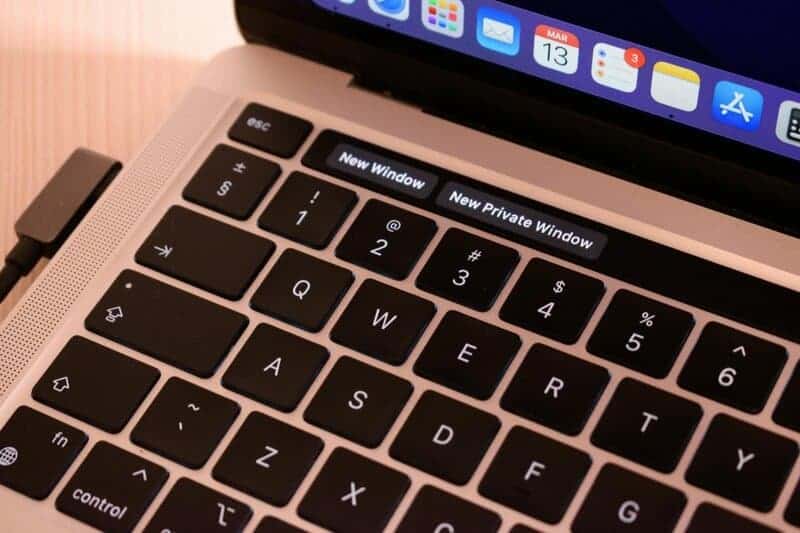 Fingers carefully tap on a smartphone keyboard app, practicing motor skills with each precise keystroke. | Photo by Diana ✨ on Pexels
When you’re unwell, cognitive and motor functions can subtly decline, leading to slower typing or more frequent errors.
Modern keyboard apps can detect these minor changes in your typing patterns.
A study in
Digital Medicine
links shifts in finger movement with both neurological and infectious diseases, highlighting another way smartphones can quietly monitor your health.
6. Facial Recognition and Temperature
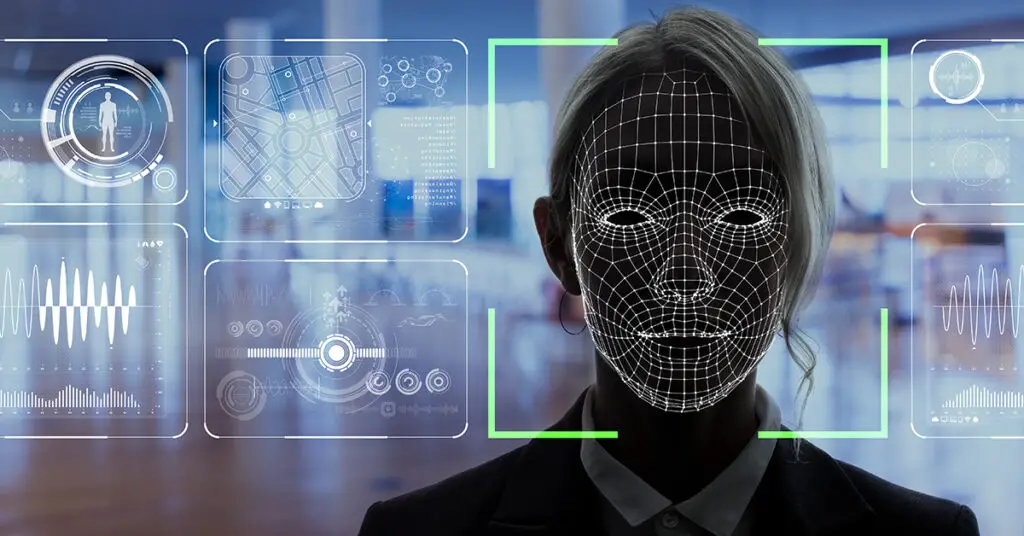 A security device uses facial recognition with an infrared sensor, capturing detailed thermal imaging of a person’s face. | Photo by policyoptions.irpp.org
Certain smartphones now leverage facial recognition and infrared sensors to monitor your skin temperature or detect a flushed appearance.
These subtle cues can signal the onset of a fever, often before you notice other symptoms.
Originally developed for airport screening, this technology is described in
IEEE Access.
Your phone’s ability to pick up on these visual and thermal changes adds another layer to its early illness detection toolkit.
7. Breathing Pattern Monitoring
 A researcher uses specialized headphones and software to analyze breathing sounds and detect coughs through detailed audio analysis. | Photo by Spencer Davis on Unsplash
Your smartphone’s microphone can capture subtle changes in your breathing or detect new coughs.
Advanced AI analyzes these sounds for early signs of respiratory issues, sometimes before you’re aware of them.
According to
The Lancet Digital Health,
cough and breath analysis via smartphones holds great promise for early diagnosis, offering yet another proactive way your device looks out for your health.
8. GPS-Based Movement Patterns
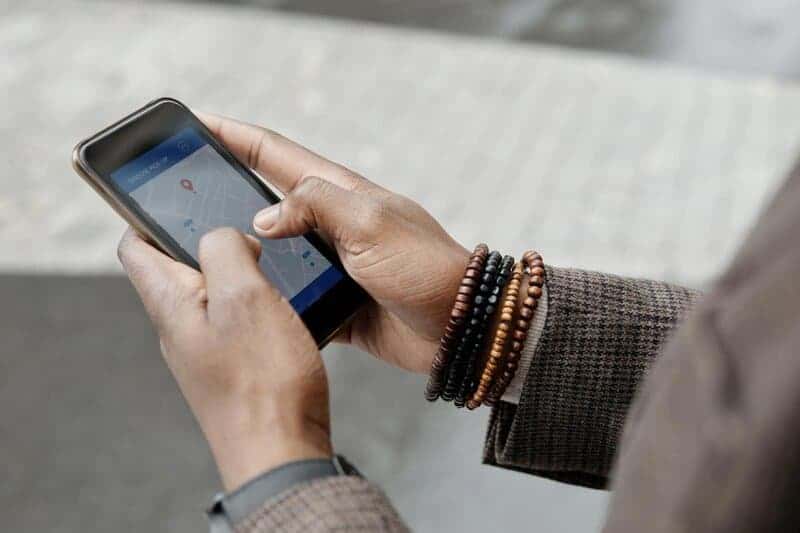 A digital map glows on a smartphone screen, highlighting real-time GPS location tracking and mobility patterns across the city. | Photo by Theo Decker on Pexels
Your smartphone’s GPS sensor can quietly monitor changes in your daily mobility. When you start moving less or skipping usual routines, it may be a sign of malaise or the early stage of illness.
Research in
PLOS Digital Health
shows that declines in routine movement patterns often precede people realizing and reporting they’re sick.
9. App Usage Shifts
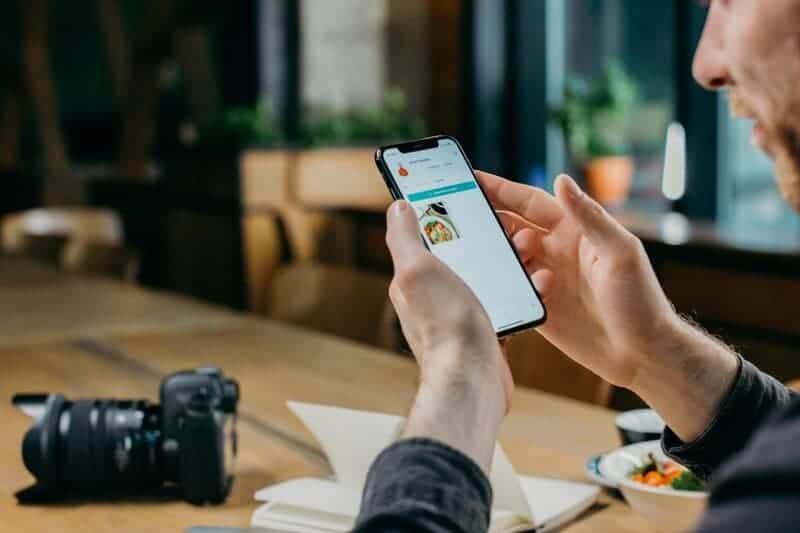 A person interacts with various smartphone apps, highlighting how digital biomarkers are tracked through everyday app usage. | Photo by cottonbro studio on Pexels
A sudden increase in health app or symptom-checker use—or a noticeable drop in social and fitness app activity—can be subtle signs of emerging health concerns.
Research in
JMIR mHealth and uHealth
identifies such app usage patterns as valuable digital biomarkers, enabling your smartphone to flag changes in your wellbeing before you might realize it yourself.
10. Skin Condition Detection
 A dermatologist uses a smartphone camera to perform a detailed skin analysis on a patient’s cheek. | Photo by Fulvio Ciccolo on Unsplash
Your smartphone’s camera can do more than capture memories—it can help monitor your health.
AI-powered apps analyze skin tone and texture, spotting early signs like rashes, unusual pallor, or other subtle symptoms.
According to the
Journal of the American Academy of Dermatology,
these camera-based tools can play a key role in early illness detection, alerting you to changes you might otherwise miss.
11. Digital Thermometer Integration
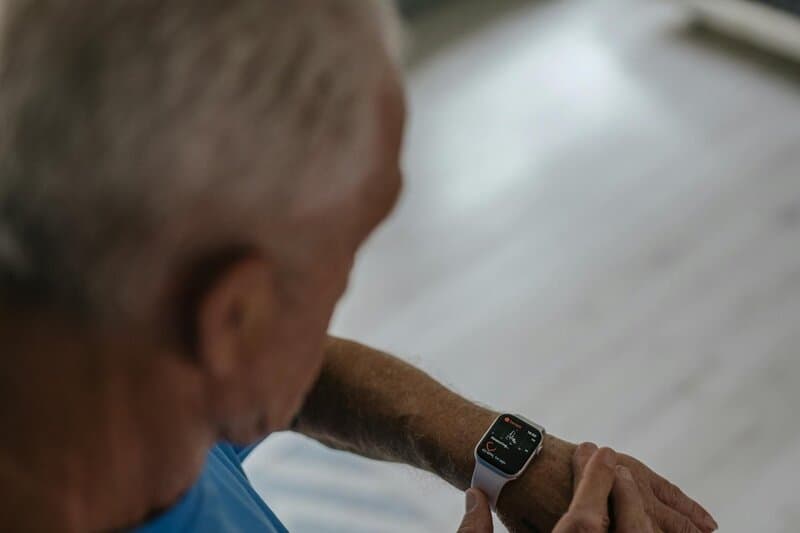 A sleek digital thermometer displays real-time temperature readings while syncing seamlessly with multiple connected devices for effortless monitoring. | Photo by SHVETS production on Pexels
Many smartphones can now sync with digital thermometers, making it easy to monitor even slight changes in your body temperature.
Early fever spikes often happen before other symptoms develop, giving you a chance for prompt action.
As explained by
Healthline,
this integration enables your device to alert you when your temperature is trending upward, supporting earlier intervention.
12. Heart Rate Variability (HRV)
 A digital monitor displays heart rate variability graphs, illustrating the connection between heart health and the autonomic nervous system. | Photo by Stephen Noulton on Pexels
Heart Rate Variability (HRV) is a key metric tracked by many smartwatches and smartphone sensors.
It reflects the balance of your autonomic nervous system—essentially, how well your body responds to stress.
A lower HRV reading can be an early warning sign of stress or illness, often before noticeable symptoms arise.
According to the
Cleveland Clinic,
monitoring HRV can help your phone quietly flag potential health concerns in advance.
13. Blood Oxygen Level Monitoring
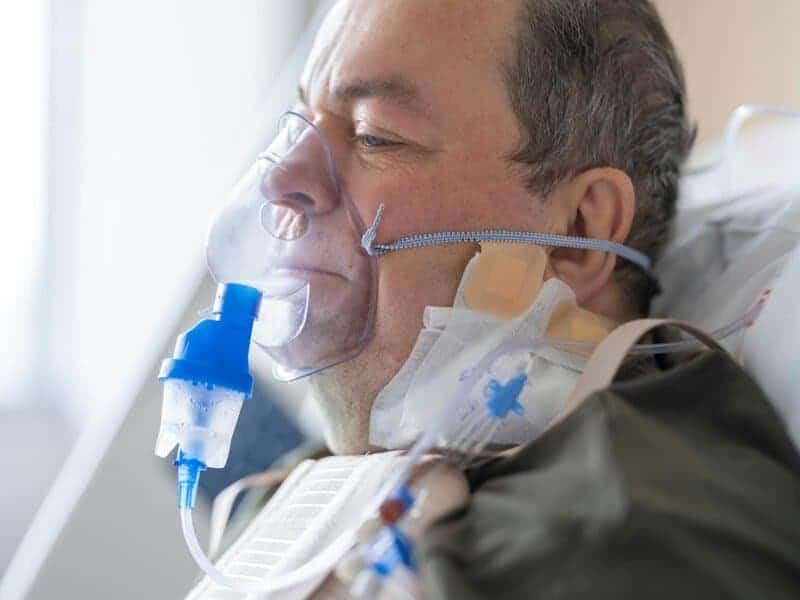 A hand uses a pulse oximeter to check blood oxygen levels, highlighting the importance of monitoring respiratory health. | Photo by Engin Akyurt on Pexels
Smartphones can now connect with pulse oximeters to track your blood oxygen levels (SpO2) in real time.
A sudden drop in SpO2 can be an early warning of a respiratory infection—even before you feel short of breath.
The Mayo Clinic highlights the value of SpO2 monitoring for early detection, making your phone a useful partner in respiratory health.
14. Activity and Exercise Routine Changes
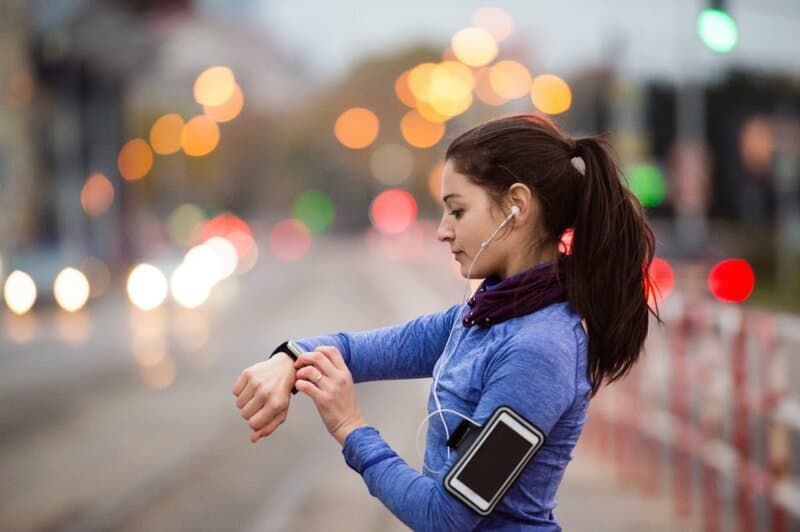 A woman checks her smartwatch while jogging outdoors, seamlessly tracking her exercise and daily activity progress. | Photo by technofaq.org
A sudden drop in your usual exercise or fitness activity, as captured by fitness tracking apps, can be an early sign of malaise or low energy levels.
These subtle shifts might be overlooked otherwise.
According to Harvard Health Publishing,
activity tracking can provide a window into emerging health issues—making your phone an attentive monitor of your daily well-being.
15. Social Interaction Monitoring
 A group of friends exchange messages on their smartphones, surrounded by icons of popular social media platforms. | Photo by jimsop.blogspot.com
A decrease in messaging, phone calls, or social media activity can be a subtle sign of early illness or fatigue.
Your smartphone is sensitive to these shifts in your digital social life.
Research published in
BMC Public Health
found strong links between social withdrawal detected digitally and a decline in physical health, highlighting how your phone watches out for changes in your engagement.
16. Hydration and Nutrition Logging
 A smartphone screen displays a nutrition app tracking daily water intake and colorful meals for easy food logging. | Photo by blog.chrisrowbury.com
Nutrition and hydration apps can quietly flag a drop in food or water intake, which often occurs before you notice any physical symptoms.
Tracking these patterns helps reveal the first hints of illness.
As discussed in the
American Journal of Clinical Nutrition,
poor intake is strongly linked to the onset of illness, making your smartphone an effective early-warning partner.
17. Emotional and Mood Analysis
 A smartphone screen displays a colorful mood tracking app, showcasing daily emotion analysis to support mental well-being. | Photo by cottonbro studio on Pexels
Mood-tracking apps on your smartphone can pick up on changes like increased irritability, anxiety, or a persistent low mood—often precursors to physical illness.
These emotional shifts, while subtle, can provide early clues about your health.
As discussed in
The Lancet Psychiatry,
digital mood monitoring is emerging as a valuable early warning tool, helping you stay ahead of potential health issues.
18. Calendar and Routine Disruptions
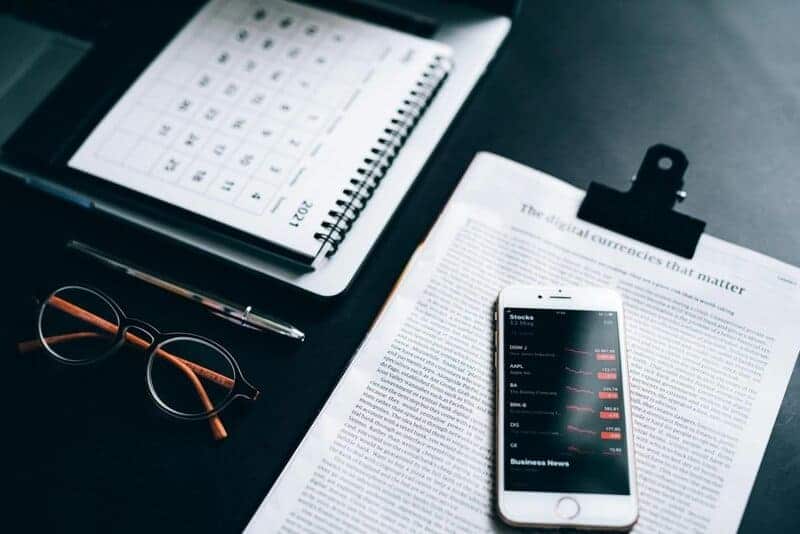 A calendar app filled with missed event notifications highlights the chaos of a disrupted daily routine. | Photo by Leeloo The First on Pexels
Missing appointments or ignoring reminders, as noted by your calendar app, can be an early sign of cognitive fatigue or illness.
These seemingly minor disruptions often reflect underlying health changes.
According to
Psychology Today,
routine is crucial for brain health, and deviations may be your smartphone’s way of signaling something is amiss.
19. Gait and Balance Monitoring
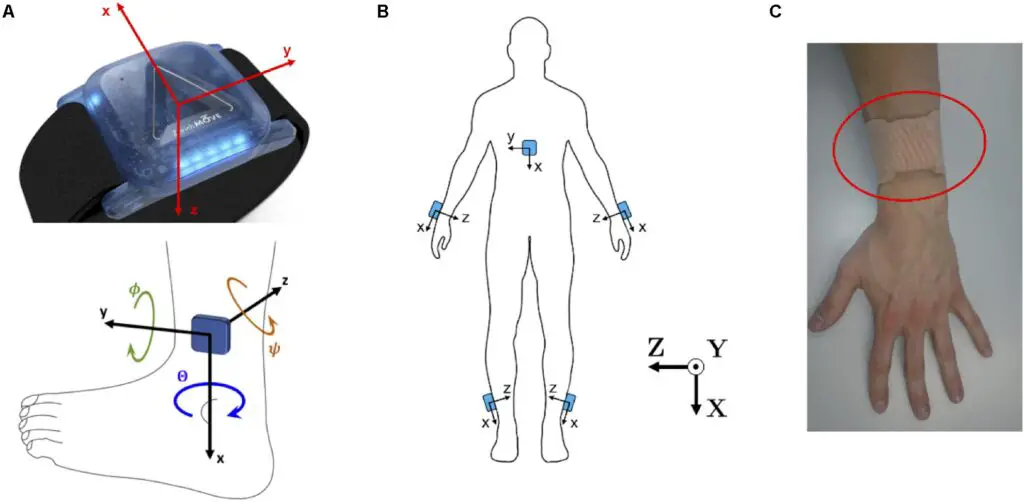 A researcher monitors balance and walking patterns as a participant strides across sensors during a gait analysis session. | Photo by frontiersin.org
Your smartphone’s accelerometers can quietly track changes in your walking speed or balance.
Alterations in gait may signal infection or even early neurological concerns.
Research in
Frontiers in Neurology
shows that these subtle movement changes, detected by your device, can be valuable clues for identifying emerging health issues before they become obvious.
20. Personalized AI Health Models
 A digital interface showcases an AI health model analyzing personalized data with dynamic machine learning charts and graphs. | Photo by thechoice.escp.eu
Today’s smartphones harness AI algorithms to aggregate your unique health data—heart rate, movement, sleep, and more—building a personalized baseline over time.
When your data deviates from your typical patterns, the AI can flag potential issues far more accurately.
Google Health’s research, highlighted
here,
shows that individualized AI health models dramatically improve early illness detection, making your phone a truly customized health companion.
21. Environmental Exposure Tracking
 Compact environmental sensors mounted on a city lamppost monitor pollution levels and track residents’ daily exposure to harmful air. | Photo by ulisses-project.eu
Some smartphones use environmental sensors or analyze your location history to track exposure to allergens or air pollution.
This digital tracking can help anticipate respiratory symptoms before they appear.
According to the
Environmental Protection Agency,
monitoring environmental exposures with digital tools is an important step in protecting your health, giving your device yet another way to watch over you.
22. Integration with Medical Devices
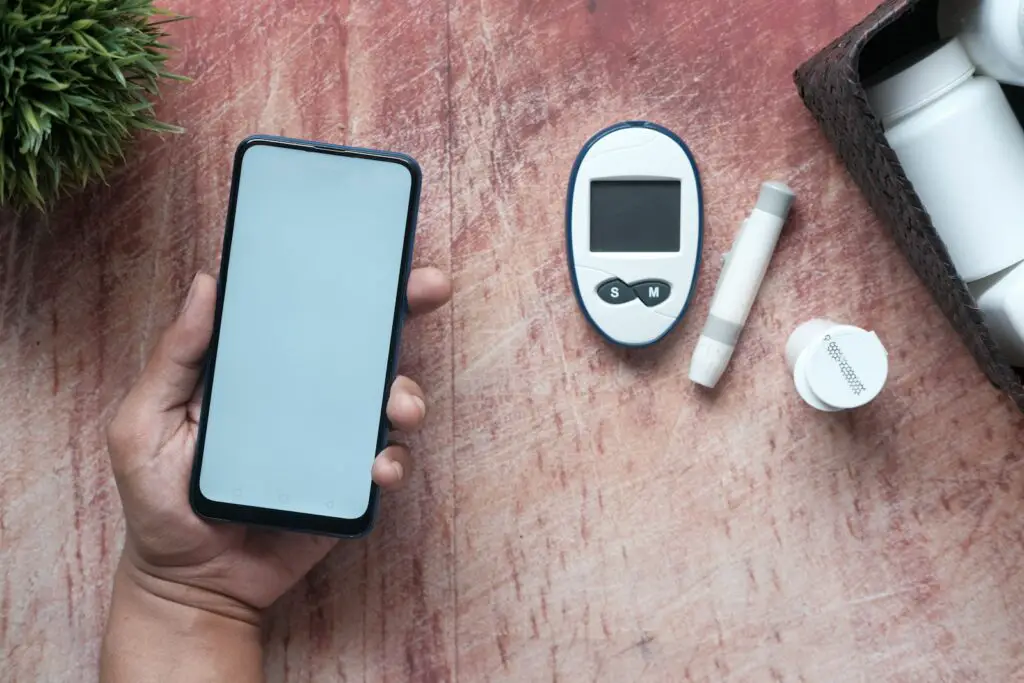 A sleek array of modern medical devices sync seamlessly via Bluetooth, showcasing the future of connected health monitoring. | Photo by Towfiqu barbhuiya
Bluetooth-enabled medical devices—like glucose meters or peak flow meters—can now transmit real-time data directly to your smartphone.
This seamless integration allows for proactive health monitoring and faster response to any changes.
The FDA emphasizes that such device integration empowers users to take control of their health, making smartphones an even more powerful health ally.
23. Symptom Journaling and AI Analysis
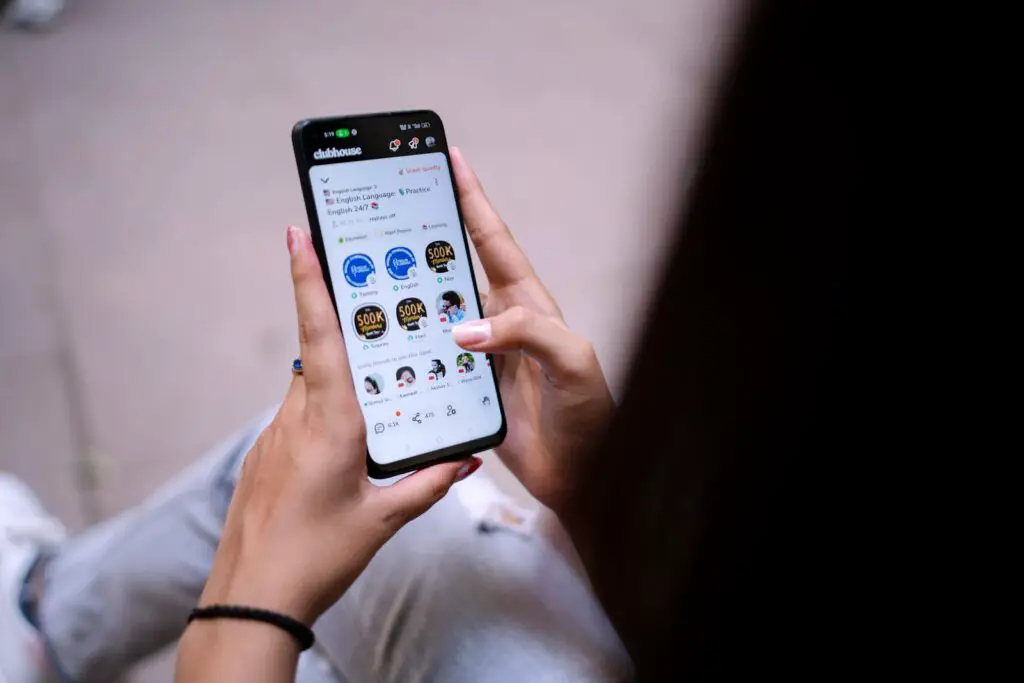 A user tracks their daily symptoms in a health app, while AI analysis provides personalized insights on the screen. | Photo by Viralyft on Unsplash
Journaling apps prompt users to record even the smallest health changes or symptoms.
AI-powered analysis then looks for patterns, connecting subtle signals that might otherwise go unnoticed.
According to the
British Medical Journal,
these symptom-tracking apps can help detect illness before a clinical diagnosis, empowering you to act on early warning signs your smartphone uncovers.
24. Proactive Health Alerts
 A smartphone screen lights up with health alerts and notifications, empowering early intervention for better well-being. | Photo by Pavel Danilyuk on Pexels
Your smartphone doesn’t just collect data—it can also send proactive health alerts if it detects abnormal trends or patterns.
These notifications encourage users to seek medical attention sooner rather than later.
The CDC highlights that early intervention prompted by digital alerts can significantly improve health outcomes, making your device a true partner in preventive care.
25. Remote Monitoring by Healthcare Providers
 A healthcare provider reviews patient data on a tablet, demonstrating telemedicine and remote monitoring in a modern clinic setting. | Photo by Tessy Agbonome on Pexels
Many health apps now let users share real-time health data directly with their healthcare providers.
This two-way flow enables clinicians to remotely monitor your status, catch early warning signs, and intervene sooner if needed.
The World Health Organization supports digital health monitoring as a crucial tool for timely medical response, bringing expert care even closer to your fingertips.
26. Crowd-Sourced Health Data
 A diverse group of people shares health updates on their phones, powering crowdsourced outbreak detection for public health. | Photo by Ivan Samkov on pexels
Smartphones can anonymously aggregate health data from millions of users, revealing patterns and trends in illness outbreaks.
This crowd-sourced information allows for early detection of local spikes in sickness, letting users receive timely alerts about increased risk nearby.
According to Nature Communications,
crowd-sourced digital data is proving invaluable for predicting public health risks and supporting proactive community health surveillance.
27. Voice Assistant Health Queries
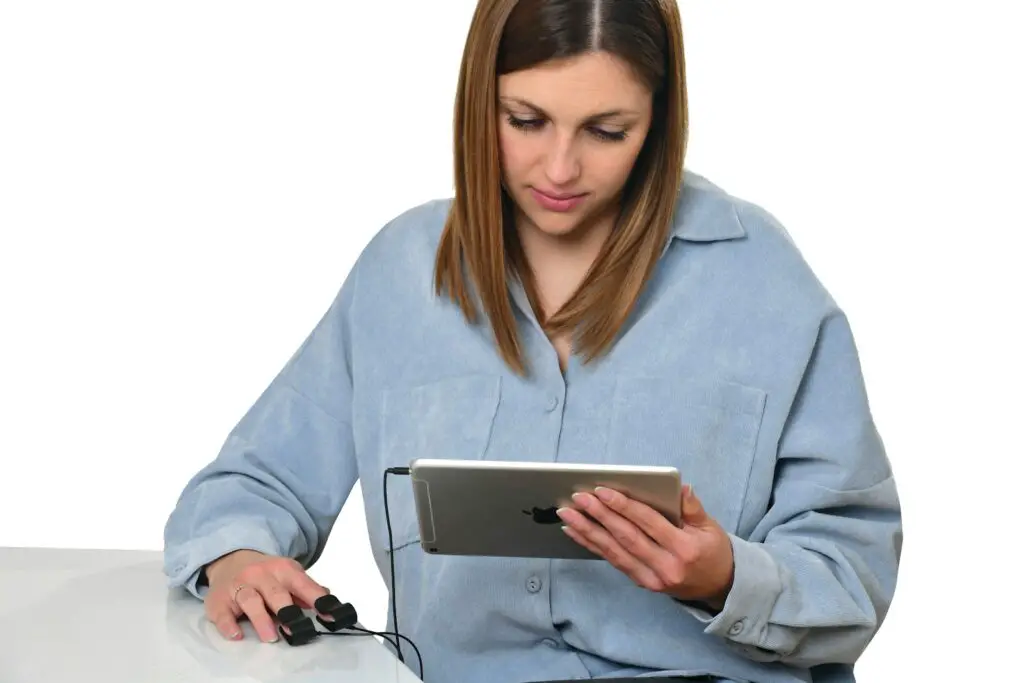 A person speaks to a digital assistant, receiving quick answers to a health query displayed on a smart device screen. | Photo by Mindfield Biosystems on Unsplash
Your interactions with voice assistants—asking about symptoms, medications, or remedies—can be early signals of illness.
These queries may prompt your smartphone to increase health monitoring or offer proactive advice.
As
Stat News
explains, voice assistants are playing an increasingly important role in early health detection, seamlessly integrating into your daily routine.
28. Predictive Analytics and Machine Learning
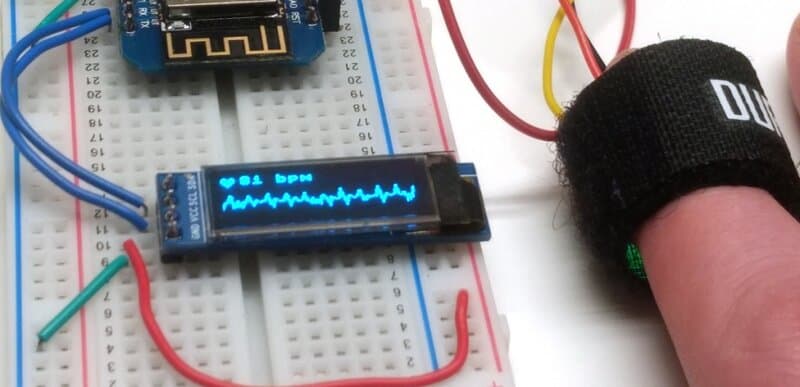 A sleek computer screen displays colorful data graphs and neural networks as a doctor uses AI-powered predictive analytics for health insights. | Photo by electronics-lab.com
Modern smartphones use machine learning algorithms to synthesize all the health data they collect—heart rate, sleep, activity, and more—creating powerful predictive models.
These systems can flag illness risk well before you might self-report symptoms, often with greater accuracy.
According to
MIT Technology Review,
predictive analytics are revolutionizing early detection, making your smartphone a proactive partner in maintaining your health.
29. Privacy and Data Security Considerations
 A digital lock hovers over a medical chart, symbolizing encrypted data and the importance of health security. | Photo by Mikhail Nilov on Pexels
While the benefits of smartphone health tracking are significant, privacy and security remain essential.
Platforms use encryption and data anonymization to protect your sensitive health information.
The Electronic Frontier Foundation
recommends these measures to ensure your data stays safe and confidential, allowing you to take advantage of digital health insights without sacrificing your privacy.
30. The Future of Smartphone Health Monitoring
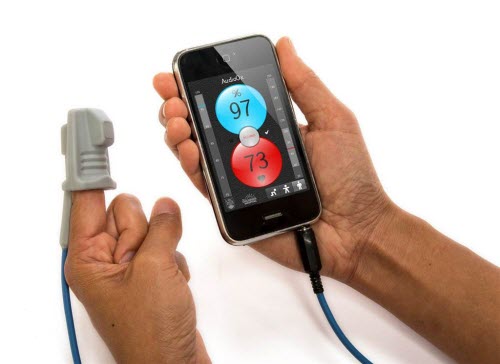 A sleek, next-generation smartphone analyzes vital signs in real-time, showcasing the future of health innovation at your fingertips. | Photo by 1319.virtualclassroom.org
The future of smartphone health monitoring looks brighter than ever.
With rapid advances in sensors, AI, and seamless integration with medical devices, our phones are poised to become even more accurate and insightful in detecting illness early.
As The New York Times reports, the next generation of health-aware smartphones could become indispensable tools for proactive, personalized healthcare—empowering users to safeguard their well-being like never before.
Conclusion
 A woman checks her smartwatch as it displays early health alerts, showcasing the power of digital wellness technology. | Photo by Polina Tankilevitch on Pexels
Smartphones are swiftly becoming active partners in health, rather than just passive devices.
By leveraging advanced sensors, powerful AI, and constant connectivity, they’re able to deliver early warnings about potential illness—often before you even notice symptoms.
As these technologies continue to evolve, they hold the promise to revolutionize both personal and public health, making early intervention and prevention more accessible and effective than ever before.
Your smartphone might just be your most valuable health ally.
Disclaimer
 A doctor and patient discuss treatment options in a clinic, with a medical disclaimer displayed prominently on the desk. | Photo by Thirdman on Pexels
This article is for informational purposes only and is not a substitute for professional medical advice.
Always consult a qualified healthcare provider for diagnosis or treatment of any health concerns.
Stay informed, listen to your body—and let technology assist, but never replace, expert care.

Vielleicht interessiert es Sie:
13 Extraordinary Giants Ready to Blow Your Mind! 🌍
10 Chonky Oddities That Will Leave You Speechless! 🤯
9 Unbelievable Absolute Units That Will Leave You Speechless! 🌟
10 Colossal Creatures That Will Leave You Speechless! 🐻
12 Shocking Absolute Units You’ll Have to See! 😲
12 Epic Absolute Units That Will Challenge Your Perceptions! 🔥
Uncover the 11 Ultimate Massive Oddities That Awe! 🌍
9 Unbelievable Oddities That Redefine ‚Massive‘! 🐉💎