
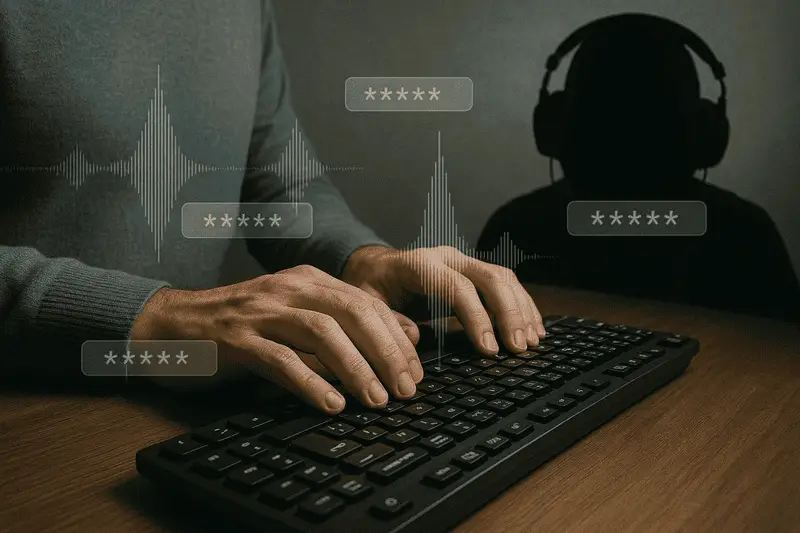
Every day, we type passwords, personal messages, and private data without a second thought. It feels safe—after all, what could be more routine? But what if the simple sound of your keyboard could give away your secrets? In a world where cybercriminals are always innovating, even the subtle clicks and clacks of your typing have become a potential goldmine. Recent advances have made it possible for attackers to eavesdrop on keystrokes using only sound, exposing a vulnerability hiding in plain sight.
The Science Behind Acoustic Eavesdropping
 A vibrant waveform pulses across a screen as a keyboard emits sounds, illustrating machine learning in audio analysis. | Photo by stockcake.com
When you press a key, it doesn’t just register a character—it creates a distinct sound. Each key on your keyboard has a unique acoustic signature, shaped by its position and the force of your touch. Researchers have shown that machine learning algorithms can analyze these sounds, matching them to individual letters or numbers. As microphones become more sensitive and software more sophisticated, decoding what you type through sound alone is no longer science fiction.
Smartphone and Laptop Microphones as Spying Tools
 A smartphone sits beside a microphone, symbolizing the silent threat of malware eavesdropping on private conversations. | Photo by Angel Moranchel on Pexels
Cybercriminals don’t need a sophisticated setup to eavesdrop—they can exploit the microphones built into your everyday devices. Malware can secretly activate a smartphone or laptop mic, capturing the sounds of your typing from across the room. In several documented cases, attackers have used malicious software to turn trusted devices into covert surveillance tools. Even a muted or idle phone on your desk could be quietly recording, turning convenience into a hidden threat.
AI and Deep Learning Make Attacks Easier
 A colorful waveform and layered neural network visualize how a deep learning AI algorithm analyzes complex sound patterns. | Photo by stockcake.com
Artificial intelligence has revolutionized acoustic eavesdropping. Modern deep learning models can filter out background noise and pinpoint the subtle differences between keystroke sounds. Recent studies, like one from Cambridge University, demonstrate AI’s ability to identify passwords with up to 95% accuracy—even in bustling public spaces. These breakthroughs mean attackers need less time, less data, and less pristine conditions to crack your secrets, making the threat more real than ever.
Public Spaces: The Perfect Hunting Ground
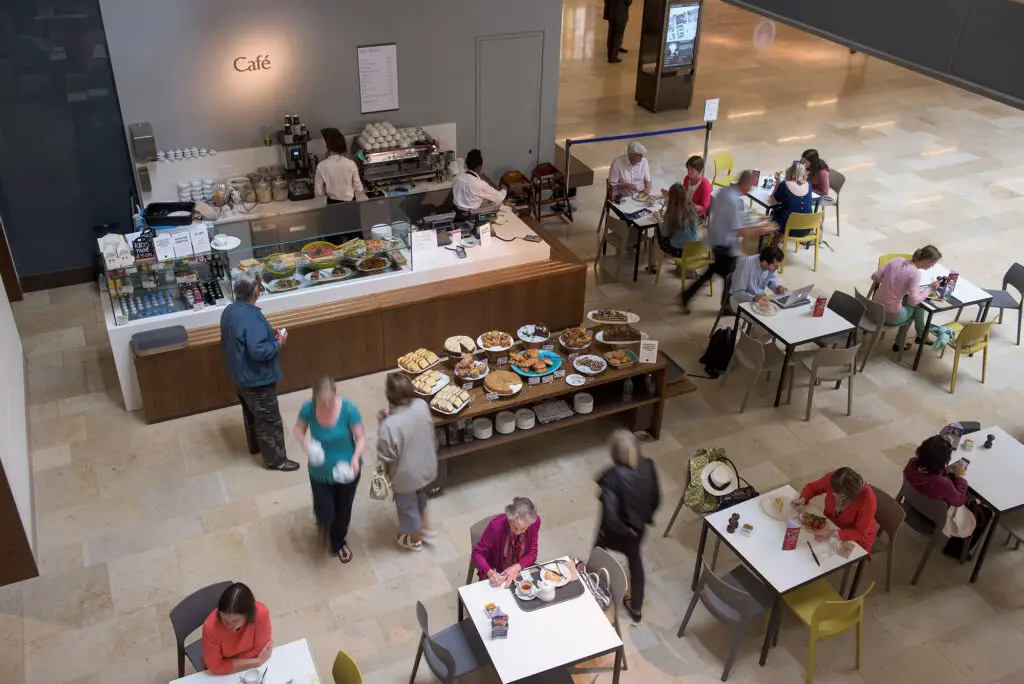 A cozy café nestled in a bustling public square, where a discreet recorder sits unnoticed among the coffee cups. | Photo by wikimedia.org
Cafes, libraries, and airports are prime targets for acoustic eavesdropping. In these public places, people often type passwords and sensitive messages without thinking twice, surrounded by strangers and background noise. Attackers can simply sit nearby with a compromised smartphone or laptop, blending in while capturing keystroke sounds. There have been documented incidents of cybercriminals recording keystrokes in coffee shops and shared workspaces, proving that even a casual setting can become a digital danger zone.
Passwords and PINs Are Especially Vulnerable
 A person enters a password on a PIN pad while listening to an audio pattern for added security. | Photo by FlyD on Unsplash
Short, predictable passwords and numeric PINs are low-hanging fruit for audio-based attacks.
Attackers can quickly narrow down possibilities because common choices—like “123456” or “password”—have distinct, easy-to-match sound patterns.
Studies reveal that simple credentials are cracked with far higher accuracy than longer, complex passphrases.
Randomized strings with varied characters generate more diverse acoustic signatures, significantly lowering an attacker’s success rate and making brute-force attempts much harder.
Hardware Differences: Mechanical vs. Membrane Keyboards
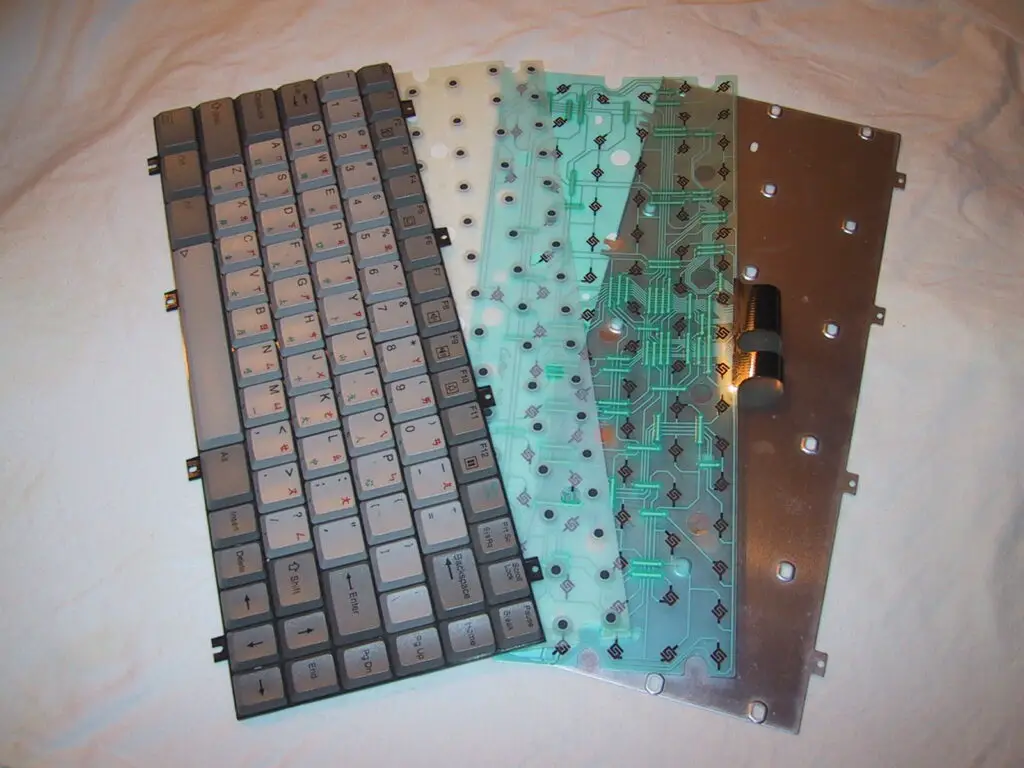 A mechanical and a membrane keyboard sit side by side, while a colorful sound spectrum visualizes their keystroke noises. | Photo by wikimedia.org
Not all keyboards are equally at risk. Mechanical keyboards produce louder, more distinctive clicks, making it easier for attackers to identify each key’s sound.
In contrast, membrane keyboards—common on many laptops—generate softer, less varied noises, posing a bigger challenge for acoustic analysis.
A study by USENIX found that mechanical models are up to 20% more vulnerable to sound-based attacks.
Your choice of hardware can play a surprising role in your online security.
Keylogging vs. Acoustic Attacks: A Silent Evolution
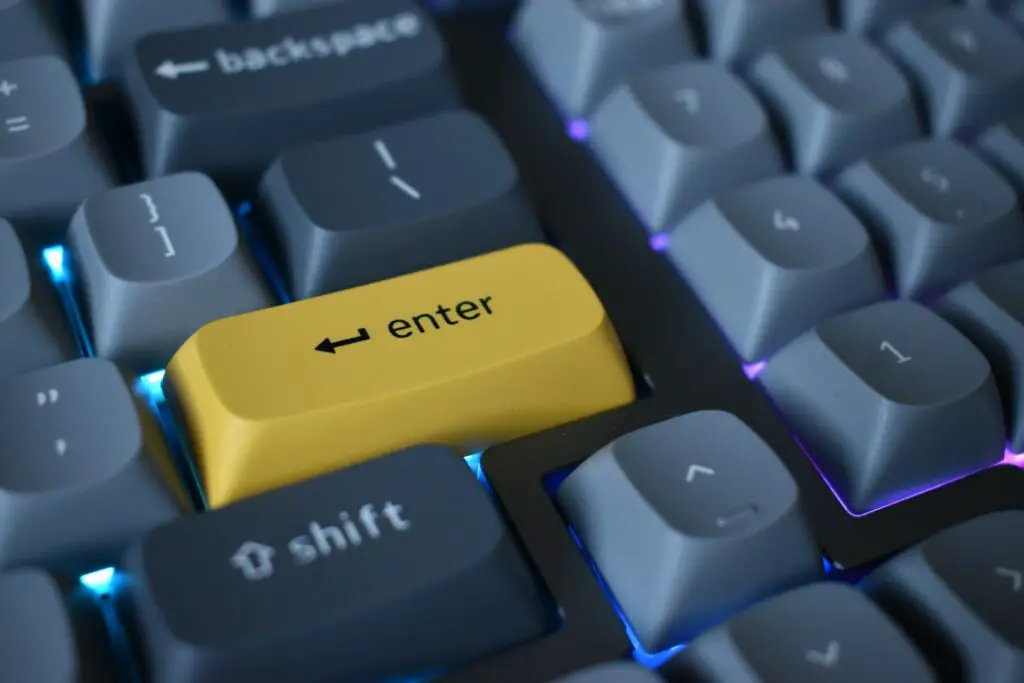 A glowing keylogger icon hovers over an audio wave, symbolizing a sophisticated cyber attack in progress. | Photo by Gavin Phillips on Unsplash
Traditional keyloggers capture keystrokes by infecting your system with malicious software, but audio-based attacks take a stealthier approach.
Since they only require access to a microphone, these attacks can slip past most antivirus and endpoint security tools unnoticed.
Cybersecurity advisories now warn that this “side-channel” method is rapidly evolving.
Unlike conventional malware, acoustic eavesdropping leaves few digital traces, making detection and prevention far more challenging.
Eavesdropping at a Distance
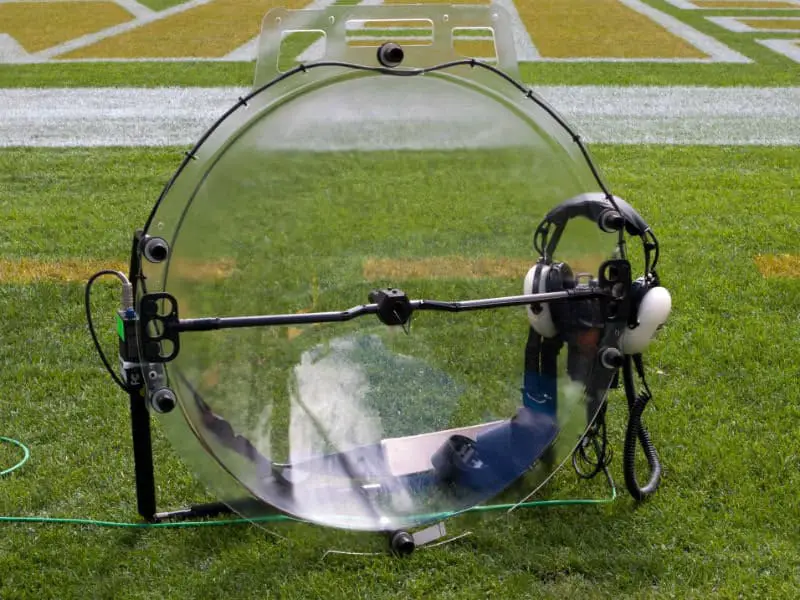 A person aims a large parabolic microphone across a field, secretly eavesdropping on a distant conversation. | Photo by kloverproducts.com
The threat isn’t limited to devices on your desk—sensitive microphones can pick up keystroke sounds from across a room or even through barriers.
Investigative reports have shown attackers using directional microphones to record typing from several meters away, sometimes even through thin walls or windows.
Journalists at Wired and The Guardian have demonstrated how easily sound can travel and be intercepted, highlighting just how vulnerable we can be—even when we think we’re alone.
Countermeasures: How to Protect Yourself
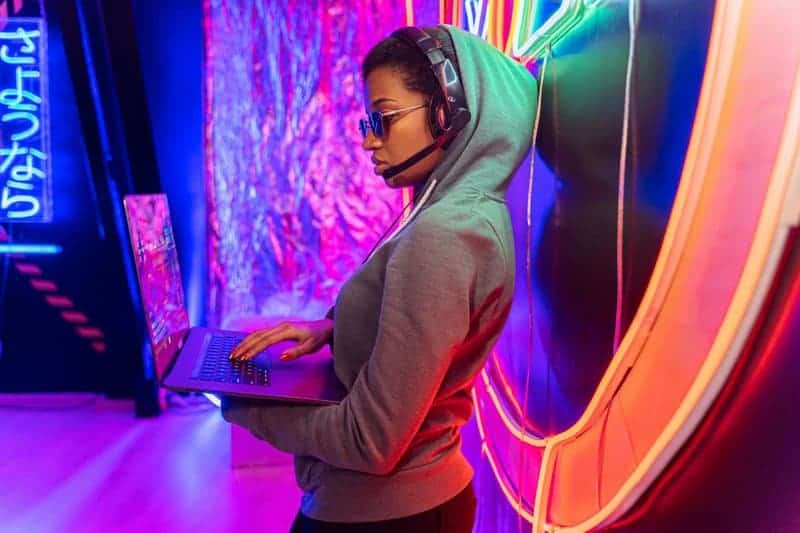 A person types on a laptop surrounded by digital lock icons, highlighting essential security tips for strong cyber defense. | Photo by Antoni Shkraba Studio on Pexels
You’re not defenseless against acoustic attacks. Simple steps can make a big difference: use on-screen keyboards for entering sensitive data, or play background noise to mask your keystrokes.
Consider switching to quieter, less distinctive keyboards if possible.
Regularly check device permissions to ensure microphones aren’t being accessed unexpectedly.
For more tips, visit these cybersecurity resources:
Cyber Aware (UK Government)CISA: Cybersecurity & Infrastructure Security Agency
Corporate Espionage: When Businesses Become Targets
 A modern office building with glass walls, where employees work on computers while unseen surveillance equipment monitors their activities. | Photo by Sean Pollock on Pexels
Corporate environments present lucrative targets for acoustic eavesdropping attacks, where sensitive business information, trade secrets, and financial data are regularly typed. Industrial espionage has evolved beyond traditional methods, with competitors and nation-state actors using sophisticated audio surveillance to steal intellectual property. Open office layouts, conference rooms, and shared workspaces amplify the risk, as multiple keyboards create a symphony of potential data leaks.
Virtual Keyboards and Touchscreens: A False Sense of Security
 A tablet displaying a virtual keyboard glows against a dark background, while sound waves emanate from finger taps on the screen. | Photo by Marek Levák on Unsplash
Many users believe virtual keyboards and touchscreens are immune to acoustic attacks, but this assumption is dangerously wrong. Tablets and smartphones still produce subtle sounds when fingers tap the screen, and these acoustic signatures can be analyzed just like physical keystrokes. Recent research has shown that even haptic feedback and slight vibrations from touchscreens can be detected and decoded by sensitive microphones, creating false security.
Typing Patterns: Your Unique Digital Fingerprint
 A person’s hands hover over a keyboard while colorful data streams show rhythm patterns and timing intervals of their typing. | Photo by Kaitlyn Baker on Unsplash
Beyond individual keystrokes, your typing rhythm creates a unique biometric signature that can be used to identify you personally. Attackers can analyze the timing between keystrokes, the duration of key presses, and your natural typing cadence to build a profile of your digital behavior. This “keystroke dynamics” approach allows cybercriminals to not only decode what you type but also determine who is typing, even across different sessions.
Smart Home Devices: Unintended Surveillance Networks
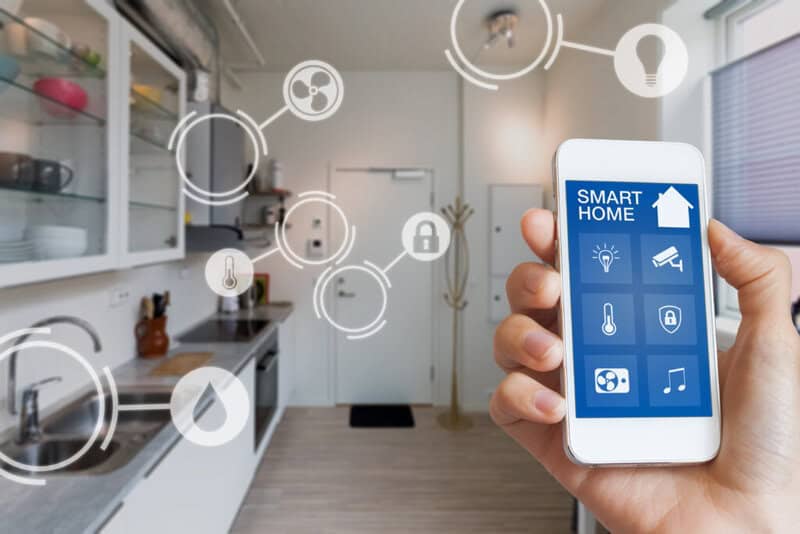 A living room filled with smart speakers, security cameras, and connected devices, all potentially listening to keyboard sounds from nearby computers. | Photo by scottsmolen.com
The proliferation of smart home devices has created an unintended network of potential surveillance tools for acoustic eavesdropping. Smart speakers, security cameras, and IoT devices equipped with microphones can inadvertently capture and transmit keystroke sounds to remote servers. Voice assistants that are always listening may process keyboard sounds as ambient noise, but this data could potentially be accessed by sophisticated attackers seeking entry points.
Mobile Keyboards: The Forgotten Vulnerability
 A person types on a smartphone while sitting in a crowded subway car, with other passengers’ phones potentially recording the typing sounds. | Photo by Paul Hanaoka on Unsplash
Mobile device keyboards present unique challenges for acoustic eavesdropping, with different attack vectors than traditional computers. Swipe typing, predictive text, and auto-correction features create distinct sound patterns that can reveal not just what you type, but how you type. The portability of mobile devices means sensitive typing often occurs in compromised environments where recording devices are easily concealed, making personal communications attractive targets.
Two-Factor Authentication: Not Always a Shield
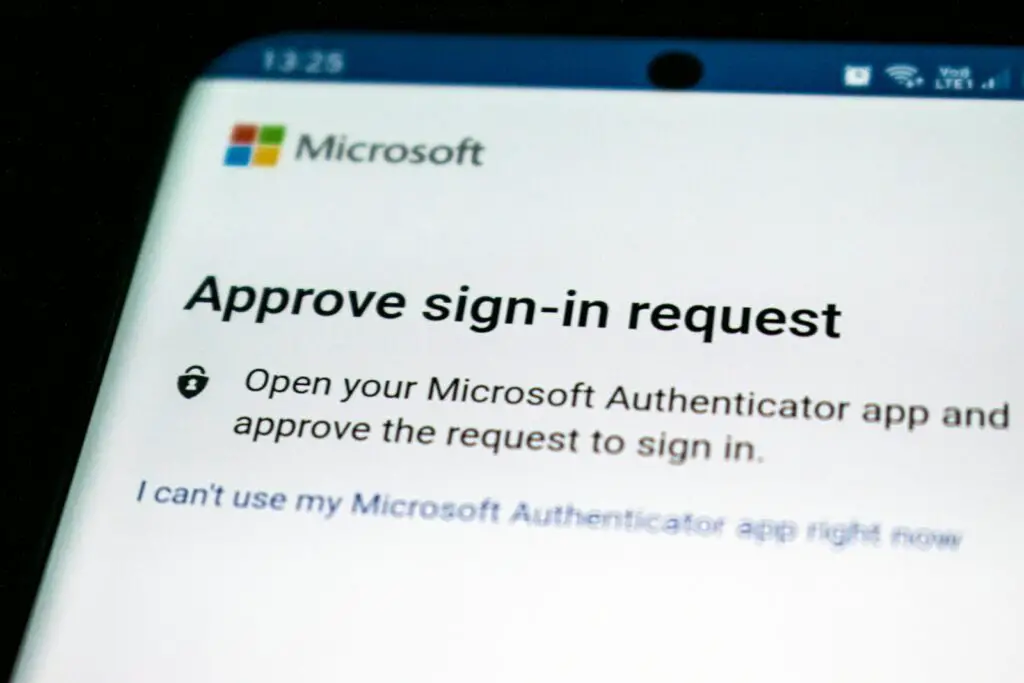 A person holds a phone displaying a 2FA code while typing on a laptop, with sound waves showing how even security tokens can be compromised. | Photo by Ed Hardie on Unsplash
Two-factor authentication codes, despite being temporary, are still vulnerable to acoustic eavesdropping during the brief window when they’re entered. Attackers can combine keystroke audio with other social engineering tactics to bypass multi-factor authentication systems. The rhythmic pattern of entering 6-digit codes creates predictable acoustic signatures that can be easier to decode than complex passwords, compromising even supposedly secure authentication methods.
Legal and Privacy Implications: The Gray Areas
 A courtroom scene with digital evidence displays showing audio waveforms and keystroke patterns, highlighting the legal complexity of acoustic surveillance. | Photo by Marija Zaric on Unsplash
The legal landscape around acoustic eavesdropping remains murky, with laws struggling to keep pace with technological capabilities. In many jurisdictions, recording audio in public spaces is legal, creating loopholes that attackers can exploit for keystroke surveillance. Privacy laws vary significantly between countries, and what constitutes consent for audio recording in ambient sound capture contexts is often unclear, leaving victims with limited recourse.
Detection and Forensics: Fighting Back with Technology
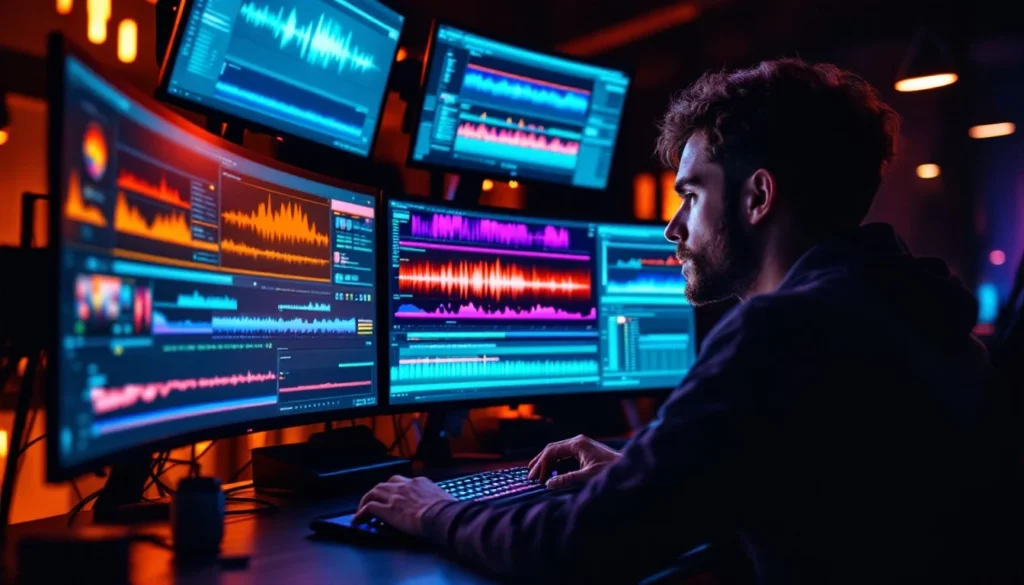
 A cybersecurity analyst monitors multiple screens showing audio spectrum analysis and keystroke detection algorithms in action. | Photo by Jefferson Santos on Pexels
Security researchers are developing sophisticated methods to detect when acoustic eavesdropping attacks are occurring in real-time. Advanced audio analysis tools can identify suspicious patterns in ambient recordings that suggest keystroke surveillance is taking place. Machine learning algorithms are being trained to recognize the acoustic signatures of eavesdropping equipment, creating early warning systems for potential attacks and helping forensic investigators trace sources.
Environmental Acoustics: How Your Surroundings Betray You
 A person types in various environments – a library, café, and office – with visual representations of how sound reflects and travels in each space. | Photo by B L on Unsplash
The acoustic properties of your environment can either protect you or make you more vulnerable to eavesdropping attacks. Hard surfaces, high ceilings, and minimal furniture create ideal conditions for sound propagation, making keystroke sounds travel further and remain clearer. Carpeted areas, soft furnishings, and background noise can provide natural acoustic camouflage, making it harder for attackers to isolate keyboard sounds and decode sensitive information.
The Psychology of Acoustic Attacks: Exploiting Human Behavior
 A person confidently types in a busy café, unaware of the psychological factors that make them vulnerable to acoustic surveillance. | Photo by Brooke Cagle on Unsplash
Acoustic eavesdropping attacks exploit fundamental human psychology and our false sense of security when typing. People tend to type more carelessly in familiar environments, not realizing that comfort zones can become surveillance zones. The invisible nature of sound-based attacks means victims rarely realize they’re being monitored, leading to repeated exposure over time as attackers leverage social psychology to target vulnerable moments.
Looking Ahead: The Future of Acoustic Cyberattacks
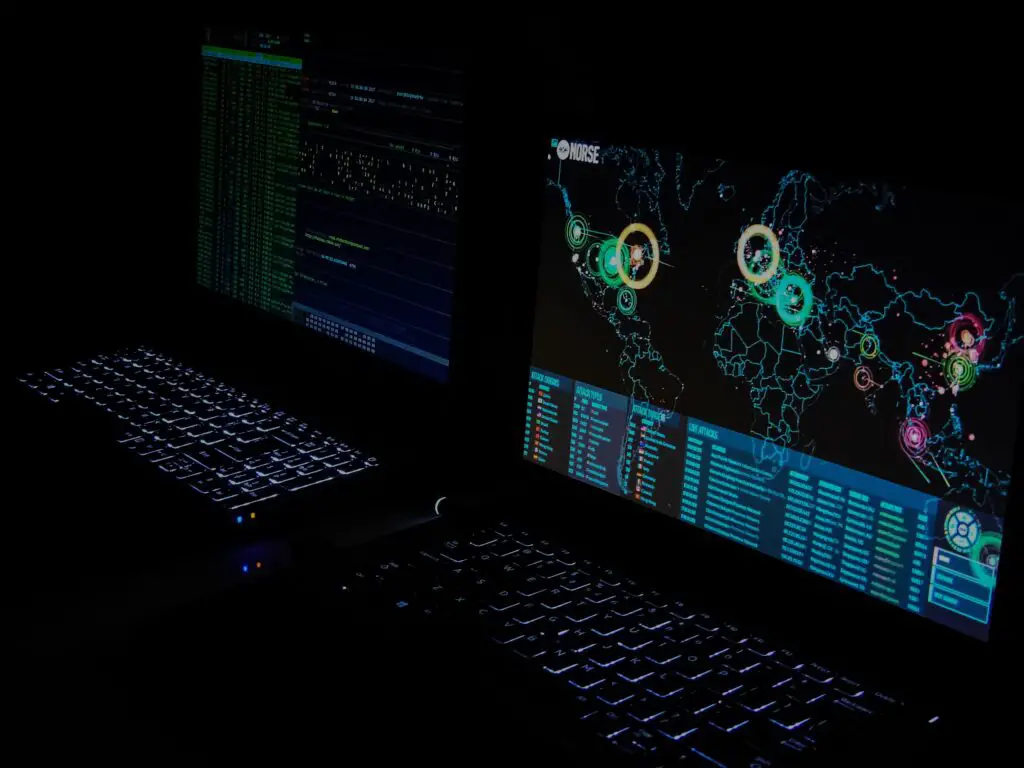 A sleek digital interface displays sound waveforms and data streams, highlighting cutting-edge cybersecurity trends in future technology. | Photo by pixahive.com
As technology advances, acoustic cyberattacks are likely to become more prevalent and harder to detect. Improved microphones, smarter AI, and the increasing number of connected devices all contribute to a growing threat landscape. Staying informed and adapting your security habits will be crucial as attackers refine their techniques. The best defense is proactive awareness—recognizing that even the sounds around you can become targets, and taking steps to stay one step ahead.
Conclusion
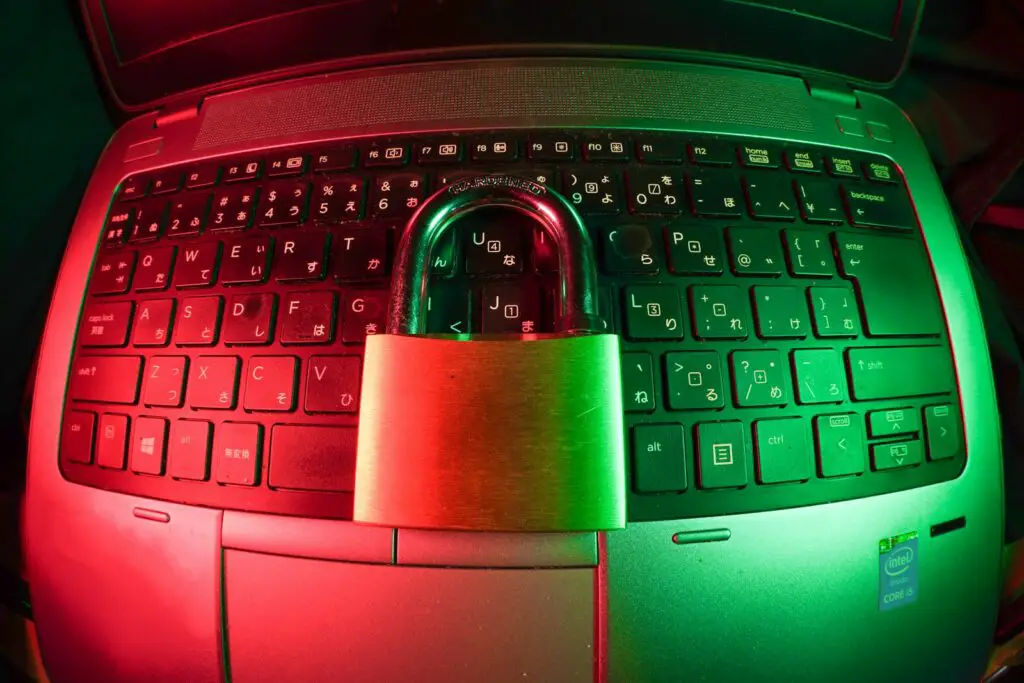
 A sleek computer keyboard with a silver padlock resting on top symbolizes the importance of digital security. | Photo by i-techsupport.com
Your keyboard—once just a tool—has become a potential source of risk in the digital age.
From the unique sounds of each keystroke to the vulnerability of familiar devices, cybercriminals are finding new ways to steal what matters most.
Staying safe means more than strong passwords; it demands vigilance and a willingness to adapt as threats evolve.

Vielleicht interessiert es Sie:
13 Extraordinary Giants Ready to Blow Your Mind! 🌍
10 Chonky Oddities That Will Leave You Speechless! 🤯
9 Unbelievable Absolute Units That Will Leave You Speechless! 🌟
10 Colossal Creatures That Will Leave You Speechless! 🐻
12 Shocking Absolute Units You’ll Have to See! 😲
12 Epic Absolute Units That Will Challenge Your Perceptions! 🔥
Uncover the 11 Ultimate Massive Oddities That Awe! 🌍
9 Unbelievable Oddities That Redefine ‚Massive‘! 🐉💎